Organizations evaluating learning management system platforms often face a familiar challenge: fragmented training delivery, inconsistent learner engagement, and limited visibility into performance outcomes. As workforce expectations evolve and compliance requirements become more stringent, selecting the right LMS is no longer just a technical decision—it directly impacts business agility, risk management, and employee growth.
Modern enterprises require scalable, flexible solutions that support diverse learning formats, from onboarding and compliance modules to continuous skill development programs. This shift has elevated LMS platforms from simple course repositories to strategic enablers of organizational learning ecosystems. For decision-makers, understanding what truly differentiates platforms is essential to making an informed investment.
For example, many organizations exploring scalable solutions begin by reviewing enterprise-ready learning management system platforms to understand how LMS capabilities align with evolving training needs.
What Is Learning Management System Platforms?
Learning management system platforms are digital systems designed to create, deliver, track, and manage training programs. They enable organizations to centralize learning content, monitor learner progress, ensure compliance, and support continuous skill development across distributed teams.
What does a learning management system platform actually do?
At its core, an LMS acts as the backbone of digital learning operations. However, modern platforms extend far beyond content delivery.
Key capabilities include:
- Centralized content management for courses, videos, and assessments
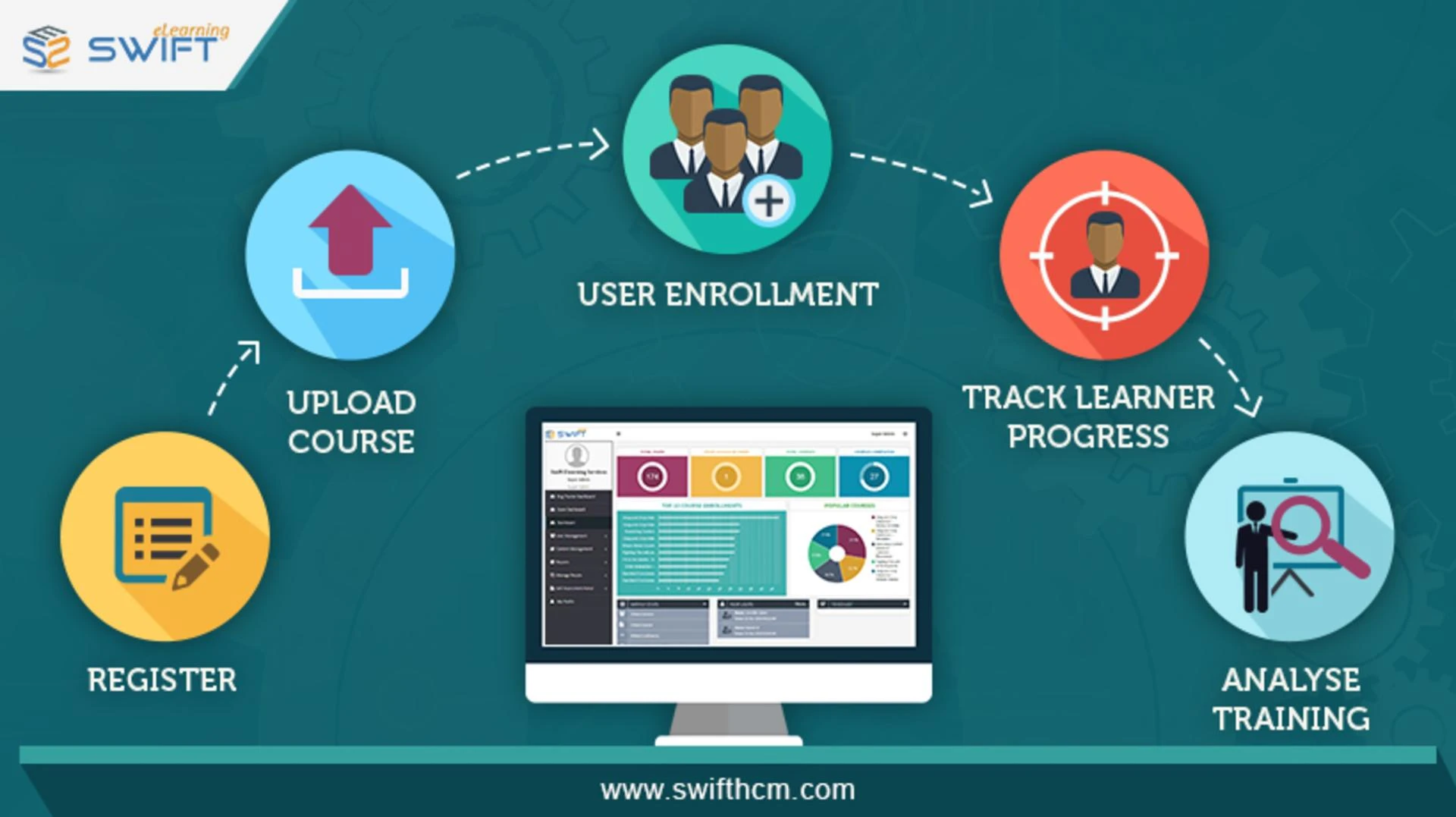
- Automated learner enrollment and role-based access
- Real-time tracking and reporting of learner progress
- Integration with HR systems and enterprise tools
- Support for blended learning, microlearning, and mobile learning
These capabilities allow organizations to transition from static training programs to dynamic, data-driven learning environments. In industries with strict regulatory requirements, LMS platforms also simplify audit readiness through detailed reporting.
Why do businesses invest in LMS platforms for corporate training?
Investment in learning management system platforms is often driven by the need for scalability and consistency. Traditional training methods struggle to keep pace with distributed teams and rapidly changing skill requirements.
Organizations typically adopt LMS solutions to:
- Standardize training across locations and departments
- Reduce training delivery costs
- Improve compliance tracking and reporting
- Enable self-paced and remote learning
- Accelerate onboarding processes
From a strategic perspective, LMS platforms also support talent development initiatives by identifying skill gaps and aligning learning paths with business goals.
How do LMS platforms support compliance and regulatory training?
Compliance training presents a unique challenge: it must be consistent, trackable, and regularly updated. LMS platforms address these requirements with automation and structured workflows.
Features that support compliance training include:
- Mandatory course assignments with deadlines
- Automated reminders and recertification tracking
- Version control for updated policies
- Audit-ready reporting dashboards
In sectors such as healthcare, finance, and manufacturing, these capabilities reduce the administrative burden while ensuring adherence to regulations. Organizations leveraging structured corporate elearning solutions often integrate compliance programs directly into their LMS to maintain consistency and accountability.
What features should organizations look for in LMS platforms?
Selecting the right LMS requires aligning platform capabilities with organizational learning objectives. Not all platforms are designed for enterprise-scale complexity.
Critical features to evaluate include:
1. User Experience and Accessibility
An intuitive interface ensures higher learner adoption and engagement. Mobile compatibility is equally important for distributed workforces.
2. Content Flexibility
Support for SCORM, xAPI, video-based learning, and interactive modules enables diverse instructional design approaches.
3. Advanced Analytics
Data-driven insights help learning leaders measure training effectiveness and optimize learning strategies.
4. Integration Capabilities
Seamless integration with HRMS, CRM, and collaboration tools enhances operational efficiency.
5. Scalability
The platform should support organizational growth without performance issues.
Enterprises often collaborate with experienced providers like Swift elearning services to align LMS implementation with broader learning strategies, ensuring both technical and instructional design considerations are addressed.
How do LMS platforms improve employee skill development?
Skill development is no longer limited to periodic training sessions. Continuous learning has become essential for workforce competitiveness.
Learning management system platforms enable skill development through:
- Personalized learning paths based on roles and competencies
- Microlearning modules for just-in-time training
- Gamification elements to boost engagement
- Social learning features such as discussion forums
- AI-driven recommendations for upskilling
These features help organizations create a culture of continuous learning, where employees can access relevant content when needed.
Additionally, integrating custom-built programs such as custom elearning development ensures that training aligns closely with business-specific requirements rather than relying solely on generic content.
What are the different types of LMS platforms available?
Understanding LMS categories helps organizations narrow down options based on their needs.
Cloud-Based LMS
- Hosted online
- Scalable and easy to deploy
- Ideal for remote teams
On-Premise LMS
- Installed on company servers
- Greater control over data
- Requires internal IT resources
Open-Source LMS
- Customizable and cost-effective
- Requires technical expertise
Enterprise LMS
- Designed for large organizations
- Advanced analytics and integrations
- Supports global training operations
Each type serves a different purpose, and the choice depends on factors such as budget, technical capabilities, and long-term learning strategy.
How do LMS platforms align with modern learning trends?
Workplace learning has shifted significantly in recent years, influenced by digital transformation and evolving employee expectations.
Modern LMS platforms support:
- Remote and hybrid workforce training
- Mobile-first learning experiences
- Data-driven decision-making
- Personalized learning journeys
- Integration with immersive technologies like simulations
Organizations that adopt LMS platforms aligned with these trends are better positioned to build resilient and future-ready workforces.
Conclusion: The evolving role of LMS in enterprise learning
The role of learning management system platforms continues to expand as organizations move toward more agile and learner-centric training models. What was once a system for course delivery is now a strategic tool for workforce transformation.
Looking ahead, LMS platforms will increasingly incorporate artificial intelligence, predictive analytics, and adaptive learning technologies to deliver more personalized and impactful learning experiences. For organizations, the focus will shift from simply deploying training programs to continuously optimizing learning outcomes.