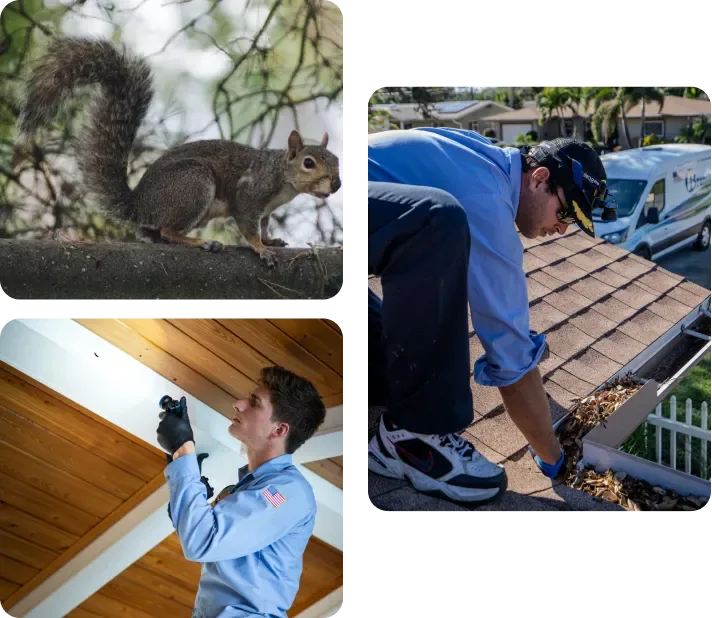
Florida's warm climate and abundant natural environment make it one of the most wildlife-diverse states in the country. While this biodiversity is one of Florida's greatest assets, it also means that homeowners regularly face the challenge of wildlife and rodents entering their properties, seeking shelter, food, and nesting sites. Recognising the signs that professional intervention is needed and acting on them promptly prevents minor wildlife encounters from becoming costly, damaging, and potentially hazardous situations. When these signs appear, professional Wildlife and Rodent Control Services provide the expert assessment and humane, effective management that protects both your property and the animals involved.
Because wildlife and rodents that have established themselves in or around your home rarely resolve the problem on their own, and the longer intervention is delayed, the more extensive the consequences become.
Sign 1: Noises in the Walls, Attic, or Ceiling
Unexplained sounds within the structure of your home are one of the most common early indicators of wildlife or rodent presence. Scratching, scurrying, gnawing, or thumping sounds, particularly at night when many species are most active, suggest that animals have found their way into wall cavities, attic spaces, or ceiling voids. Rats, mice, squirrels, raccoons, and opossums are all common culprits in Florida homes.
The location and timing of sounds provide useful information. Scratching in attic spaces during daylight hours may indicate squirrels or birds, while nocturnal activity in walls and ceilings more commonly suggests rats, mice, or raccoons.
Sign 2: Droppings in or Around the Property
The presence of animal droppings inside the home or in frequently used areas around the property indicates active wildlife or rodent presence. The size, shape, and location of droppings help identify the species involved. Rodent droppings are typically small, dark, and elongated, while larger wildlife leave proportionally larger evidence.
Finding droppings in kitchen areas, pantries, garage spaces, attic insulation, or along wall edges indicates that animals are actively moving through these areas and requires prompt professional assessment.
Sign 3: Gnaw Marks on Structural Elements, Wiring, or Packaging
Rodents, including rats and mice, have teeth that grow continuously and must be worn down through gnawing. This behaviour causes damage to a remarkably wide range of materials including wooden structural elements, electrical wiring, PVC pipes, food packaging, and insulation.
Gnaw marks on electrical wiring are a particular concern because damaged insulation creates genuine fire hazard. If gnaw damage to wiring is identified, professional intervention should be treated as urgent.
Sign 4: Visible Entry Points in the Exterior
Small gaps, holes, or deteriorated areas in the exterior of the structure provide entry points for rodents and some wildlife species. Rats can enter through gaps as small as a half-inch, while mice require even less. Gaps around utility penetrations, deteriorated roof fascia, damaged vents, and openings where different building materials meet are all common entry points worth examining.
Identifying these points is part of what professional wildlife and rodent control services do during their assessment, as exclusion of entry points is a critical component of lasting control.
Sign 5: Disturbed Insulation or Nesting Material
Discovering that attic insulation has been disturbed, tunnelled through, or used as nesting material indicates established wildlife or rodent activity. Animals nest in insulation for its warmth and shelter qualities, and their activity contaminates insulation with droppings, urine, and parasites that can affect indoor air quality and require remediation.
Sign 6: Pet Behaviour Changes
Cats and dogs often detect wildlife and rodent presence before their owners do, through scent and hearing. Unusual alertness directed at specific walls, floors, or ceiling areas, persistent scratching at surfaces, or vocalising directed at areas that appear empty to human senses are all behaviours worth taking seriously as potential indicators of hidden animal presence.
Sign 7: Food Disturbance or Contamination
Disturbed food storage areas, chewed packaging, contaminated pantry items, or evidence that pet food has been accessed by something other than the household pet are clear indicators of rodent or wildlife activity in food storage and kitchen areas. Food contamination by rodents poses genuine health risks and requires immediate professional attention.
Sign 8: Exterior Property Damage Consistent With Wildlife Activity
Damage to garden areas, overturned trash containers, disturbed soil beneath structures, or evidence of digging around the foundation may indicate raccoons, armadillos, opossums, or other wildlife species active around the property. While this activity may not immediately involve interior entry, it indicates animal presence that is worth managing before interior access is established.
Sign 9: Visible Wildlife in or Around the Structure
Seeing raccoons, opossums, squirrels, or snakes in close proximity to the home on a repeated basis, or discovering any wildlife species inside the home, indicates that professional assessment and management is needed. While a single wildlife sighting in the yard may not require intervention, repeated close-proximity encounters suggest that animals have identified your property as a resource and are establishing a pattern of presence.
Sign 10: Unexplained Odours
Persistent musty or ammonia-like odours, particularly in attic spaces, crawl areas, or within walls, can indicate the accumulated droppings and urine of rodents or wildlife that have been using an area for an extended period. A strong, distinctive smell that intensifies near specific areas may also indicate that an animal has died within the structure, which requires prompt professional removal and sanitation.
Why Professional Services Are the Right Response
Wildlife and rodent issues in residential properties require a combination of skills and knowledge that homeowners cannot reliably apply independently. Accurate species identification, understanding of entry point locations and animal behaviour, humane and legal wildlife handling, effective exclusion work, and proper sanitation of contaminated areas are all components of comprehensive wildlife and rodent management that professional services provide.
DIY approaches often address only the most visible aspect of a problem without resolving the underlying access points and attractants that allow the situation to persist or recur.
Conclusion
These ten signs collectively represent the indicators that professional wildlife and rodent management is needed. In Florida's wildlife-rich environment, the question is not whether properties will face these challenges but how promptly and effectively they are addressed when they arise. Engaging professional Wildlife and Rodent Control Services at the first sign of a problem is the most reliable approach to protecting your property, your family's health, and the animals involved.
Because wildlife and rodent problems do not resolve themselves, and professional expertise is what transforms a growing problem into a resolved one.