Opening Scene: A New Classroom Paradigm in 2026
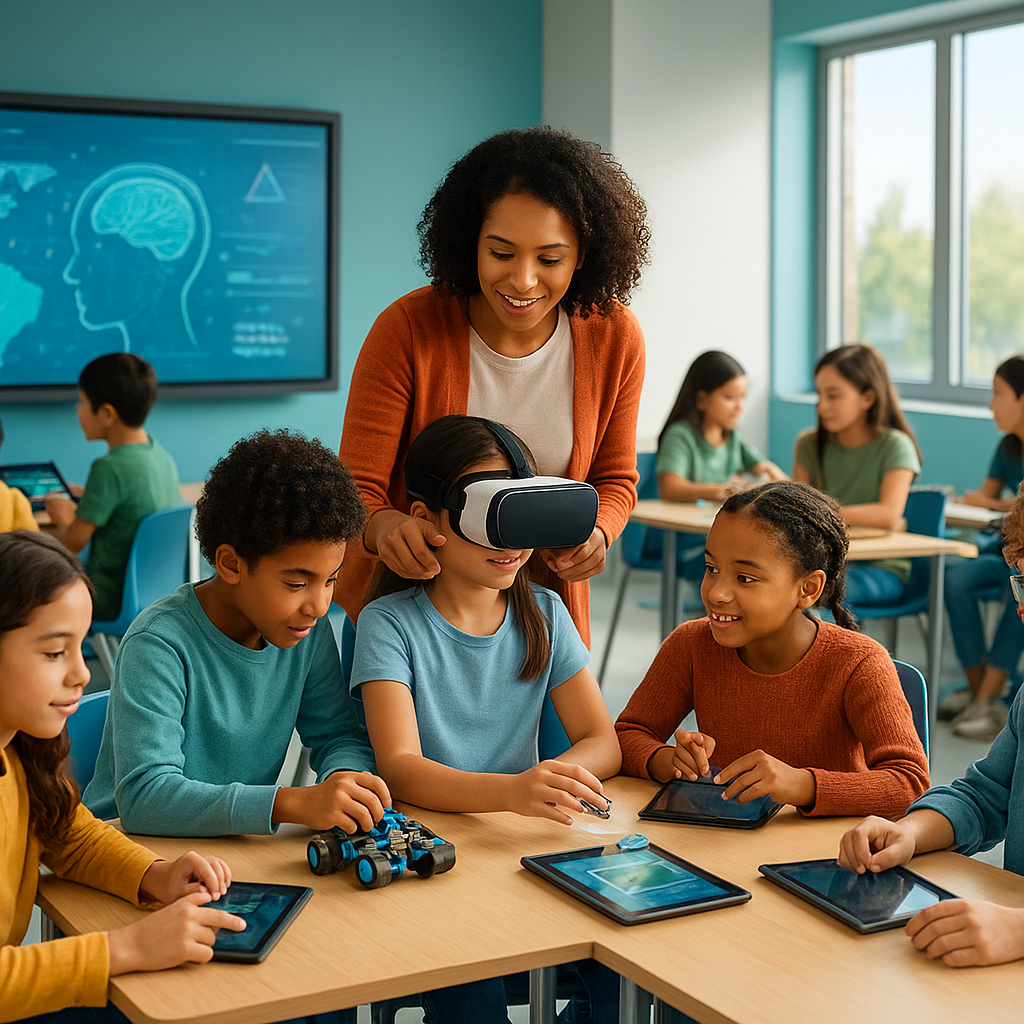
In a bright classroom in Helsinki, Finland, a group of students collaborate with AI-driven tutors on personalized projects that adapt in real-time to their learning styles. Meanwhile, halfway across the globe in Nairobi, Kenya, young learners engage in immersive virtual reality (VR) lessons on environmental science, connecting with peers worldwide. This vivid snapshot illustrates the profound transformations education has undergone by 2026, catalyzed by technological breakthroughs, pedagogical innovations, and shifting societal demands.
Education today is no longer confined to the traditional model of rote memorization and fixed curricula. Instead, it is a dynamic ecosystem shaped by data, digital tools, and inclusivity initiatives. These forces have birthed a new set of top-tier education innovations that are not only enhancing academic outcomes but also democratizing access and redefining what it means to learn.
“Education is evolving from a static transmission of knowledge to a personalized, interactive experience that empowers every learner.” — Dr. Amina Yusuf, Education Futurist
Tracing the Roots: How We Arrived at Today’s Education Innovations
The seeds of today’s educational revolution were planted over the past two decades. The rise of Massive Open Online Courses (MOOCs) in the early 2020s expanded access to high-quality content globally. However, critics pointed out the lack of interactivity and personalized feedback, sparking a wave of innovation focused on learner-centered design.
Simultaneously, the integration of artificial intelligence (AI) and big data analytics began to transform educational assessment and curriculum development. Governments and private sector players invested heavily in smart education platforms that adapt to individual strengths and weaknesses, moving beyond one-size-fits-all approaches.
Meanwhile, the COVID-19 pandemic accelerated the adoption of remote learning technologies, exposing equity gaps but also sparking creative solutions to bridge them. Hybrid learning models became mainstream, blending in-person and digital experiences. This period also saw the rise of competency-based education, prioritizing skills mastery over seat time.
Crucially, these changes were supported by a growing consensus among educators and policymakers about the need for education to foster critical thinking, creativity, and emotional intelligence in an increasingly complex world. This shift laid the foundation for the innovations defining education in 2026.
Core Innovations Driving Education’s Transformation
As we assess the education landscape today, ten key innovations stand out for their impact and potential to shape learning for years to come.
- AI-Enhanced Personalized Learning: AI algorithms analyze student data to tailor instruction, pacing, and content, improving engagement and outcomes. Platforms like Squirrel AI and Knewton have matured into comprehensive adaptive learning systems used worldwide.
- Immersive Virtual and Augmented Reality: VR and AR create experiential learning environments, enabling students to explore historical events, scientific phenomena, and global cultures firsthand, beyond textbooks.
- Competency-Based Education Models: Shifting focus from traditional grades to demonstrated mastery, these models allow learners to progress at their own pace, fostering deeper understanding and practical skills.
- Microcredentialing and Digital Badges: To meet workforce demands, learners earn stackable certifications recognizing specific skills, enhancing employability and lifelong learning.
- Global Collaborative Learning Networks: Digital platforms connect students across borders, promoting intercultural exchange and teamwork on real-world challenges.
- AI-Powered Teacher Support Tools: Educators receive analytics on student progress, automated grading, and personalized lesson planning assistance, reducing administrative burdens.
- EdTech Integration with Blockchain: Blockchain secures academic records and verifies credentials, combating fraud and simplifying verification processes for employers and institutions.
- Focus on Social-Emotional Learning (SEL): Programs emphasize emotional intelligence, resilience, and communication skills, recognizing their role in holistic development and career success.
- Accessible Learning for Differently-Abled Students: Assistive technologies and inclusive design ensure education is equitable, providing tailored support to students with disabilities.
- Green Education Initiatives: Sustainability is integrated into curricula, with hands-on projects and community engagement fostering environmental stewardship from an early age.
The synergy of these innovations is creating a multifaceted education system that is flexible, inclusive, and future-ready.
2026 Snapshot: Current Developments and Industry Trends
The year 2026 marks a pivotal moment in education, as many of the aforementioned innovations have scaled globally and matured technologically. Recent data from UNESCO highlights that over 75% of countries now incorporate AI-driven personalized learning tools in public education systems, a dramatic rise from just 15% in 2022.
In the United States, the Department of Education’s newly launched National AI in Education Initiative is funding research to refine adaptive learning algorithms and develop ethical guidelines. Meanwhile, European nations are advancing cross-border credential recognition through blockchain-enabled digital diplomas, streamlining student mobility and labor market access.
Private EdTech companies continue to push boundaries. For instance, MetaEdu’s VR learning platform recently partnered with top universities to offer immersive STEM labs, allowing remote students to perform complex experiments virtually. Similarly, startup Edify AI has revolutionized teacher workflows by automating routine tasks, enabling instructors to dedicate more time to student interaction.
Despite advances, challenges remain. Equity gaps persist, particularly in rural and low-income regions where broadband access is limited. However, satellite internet initiatives by companies like Starlink and government subsidies are increasingly closing these divides.
This transformative phase is also sparking debate on data privacy and the ethical use of AI in education. Institutions are balancing innovation with safeguarding student rights, a topic explored in depth in Education in 2026: Transformations, Challenges, and the Road Ahead.
“The promise of AI in education is immense, but we must ensure it serves equity and privacy, not just efficiency.” — Prof. Lina Chen, EdTech Ethics Expert
Expert Perspectives: Voices Shaping Education’s Future
Leading educators and technologists emphasize that the success of these innovations hinges on maintaining the human element in learning. Dr. Raj Patel, a pioneer in competency-based education, argues that technology should augment, not replace, teacher-student relationships:
“Technology can personalize learning paths, but empathy and mentorship remain irreplaceable in nurturing critical soft skills.”
Industry leaders also stress the importance of lifelong learning frameworks. With rapid technological change, continuous skill development is essential. According to a recent World Economic Forum report, by 2030, over 60% of jobs will require significant reskilling, underscoring the value of microcredentials and flexible education models.
Moreover, experts highlight the role of cultural relevance and inclusivity. Education must respect and incorporate diverse perspectives to prepare global citizens. Initiatives promoting multilingual content and culturally responsive pedagogy are gaining traction.
These insights align with findings from How Online Learning Is Shaping Education’s Next Frontier, which explores how digital education platforms are integrating these human-centered approaches at scale.
What to Watch: Future Outlook and Strategic Takeaways
Looking ahead, several trends will likely dominate education innovation trajectories over the next decade. First, the refinement of AI will enable even more nuanced personalization, incorporating emotional and social cues to better support learners.
Second, the convergence of technologies such as AI, blockchain, and extended reality will create seamless, secure, and engaging learning environments that transcend physical boundaries.
Third, education ecosystems will increasingly emphasize equity through tailored interventions, multilingual accessibility, and robust infrastructure investments, especially in underserved regions.
Educators and policymakers should also anticipate evolving regulatory frameworks governing data use, digital ethics, and credential standards. Proactive engagement with these issues will be crucial.
- Invest in hybrid learning infrastructures blending physical and digital modalities.
- Prioritize teacher training for technology integration and data literacy.
- Expand microcredential programs aligned with labor market needs.
- Enhance partnerships between educational institutions, industry, and governments.
- Focus on holistic development integrating SEL with academic content.
Ultimately, the most successful education systems will be those that harness technology to empower learners while fostering critical thinking, creativity, and adaptability.
Case Studies: Real-World Examples of Education Innovation
Several institutions exemplify how top education innovations translate into practice. The Singapore Ministry of Education’s SkillsFuture initiative offers a comprehensive lifelong learning platform combining AI-driven personalized courses and microcredentials, facilitating seamless transitions between education and employment.
In Africa, the African Virtual University (AVU) leverages VR and mobile technologies to deliver STEM education to remote communities, significantly boosting enrollment and retention rates. Their success demonstrates the power of immersive learning and connectivity in overcoming geographic barriers.
Meanwhile, Stanford University’s recent overhaul of its undergraduate curriculum embodies competency-based education principles, allowing students to advance upon mastery and engage in interdisciplinary, project-based learning. This model has improved student motivation and career readiness.
These cases underscore the potential and challenges of scaling innovations while maintaining quality and inclusivity.
In summary, education in 2026 is characterized by a vibrant ecosystem of innovations that redefine how knowledge is delivered, assessed, and applied. By embracing adaptive technologies, promoting equity, and nurturing human-centered learning, education is poised to prepare individuals for a complex and rapidly changing world.