
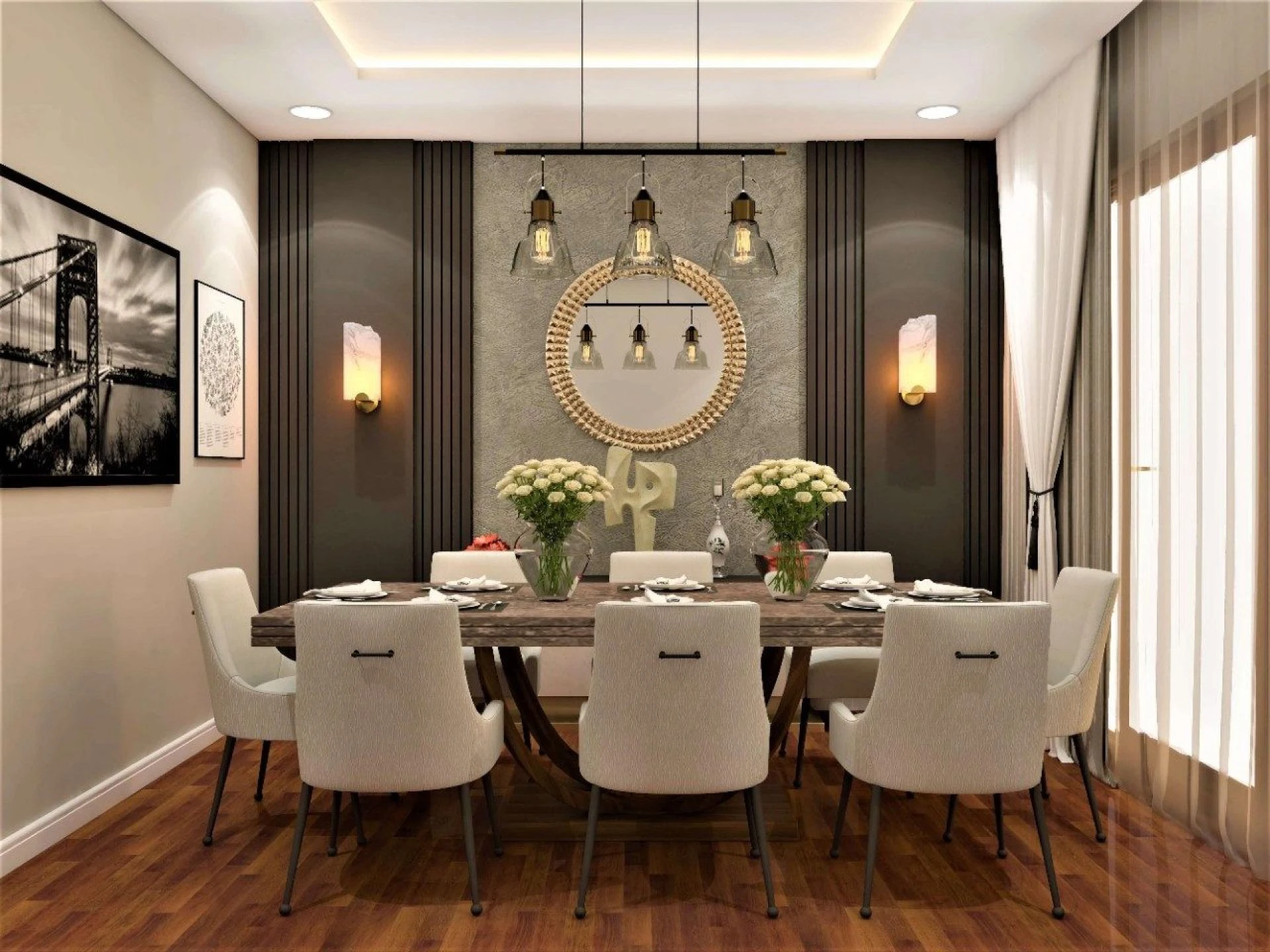
The dining room is more than a space for meals—it is where family bonds are strengthened, and memorable moments are created. Thoughtful dining room interior design can transform an ordinary eating area into a stylish, comfortable, and functional space. From the arrangement of furniture to lighting, color schemes, and decor, every detail contributes to creating a harmonious dining experience. For modern Indian homes, where space, aesthetics, and functionality must coexist, professional guidance from Interior design experts can be invaluable in achieving a perfect balance.
A well-designed dining room enhances not only the visual appeal but also the efficiency of the space. It provides comfort for daily meals and creates an inviting atmosphere for hosting guests. While designing, understanding the layout, furniture dimensions, natural lighting, and storage needs is crucial. Professional input ensures that the room reflects personality, maintains a cohesive theme, and supports practical usage.
1. Minimalist Dining Rooms
Minimalism emphasizes simplicity, clean lines, and clutter-free spaces. This design style enhances openness, especially in smaller dining areas.
Key Features:
- Neutral color palettes such as beige, gray, or soft pastels
- Sleek dining tables with hidden storage or extendable features
- Minimal decorative items to maintain a clean look
Minimalist dining rooms are particularly suitable for Indian apartments with limited space, providing a serene and organized environment that focuses on functionality and elegance.
2. Contemporary Dining Room Designs
Contemporary dining rooms are defined by sleek lines, modern materials, and a balance between comfort and style.
Elements to Consider:
- Glass or marble dining tables
- Ergonomic chairs with soft upholstery
- Accent lighting to create ambiance
Modern dining room interior design incorporates neutral tones with occasional pops of color, creating a sophisticated yet cozy environment. Collaborating with Interior design experts can help integrate contemporary elements while maximizing space efficiency in Indian homes.
3. Rustic and Traditional Dining Spaces
Rustic dining rooms combine natural materials, earthy tones, and handcrafted furniture to create warmth and character.
Ideas:
- Solid wood tables and chairs with intricate carvings
- Earthenware or pottery decor accents
- Exposed brick walls or textured finishes
This style is ideal for Indian homes that value traditional craftsmanship and want a cozy, welcoming atmosphere in the dining area. Natural textures and warm lighting enhance the charm of rustic interiors.
4. Scandinavian Style Dining Rooms
Scandinavian dining spaces focus on simplicity, functionality, and natural light. They use muted color schemes and wooden elements to create a calm and inviting environment.
Features:
- Light wooden furniture and flooring
- Minimalist decor with functional accents
- Large windows or light-colored curtains for natural illumination
Integrating Scandinavian design principles in dining room layouts can make even small Indian apartments appear more spacious and airy. The style encourages a clutter-free environment, emphasizing both form and function.
5. Luxurious Dining Areas
Luxury dining rooms prioritize elegance, premium materials, and sophisticated design elements.
Design Tips:
- Marble or granite dining tables with polished finishes
- Velvet or leather upholstered chairs for comfort
- Chandeliers or designer pendant lights to enhance ambiance
Luxury does not always require large spaces; careful material selection and placement of key elements can make even a compact room feel upscale and refined.
6. Multi-functional Dining Spaces
Modern Indian homes often require dining areas to serve multiple purposes, such as working, studying, or social gatherings.
Solutions:
- Foldable or extendable dining tables for space efficiency
- Built-in storage or sideboards for kitchenware
- Flexible seating arrangements that accommodate guests
Multi-functional design ensures that the dining space remains practical without compromising aesthetics. Such layouts are increasingly relevant in compact urban apartments, and consulting Interior design experts can help optimize these spaces effectively.
7. Incorporating Nature and Biophilic Design
Integrating natural elements in the dining room enhances well-being and adds freshness to the space.
Ideas:
- Indoor plants like ferns, money plants, or herbs
- Wooden furniture or bamboo accents
- Natural fabrics for table runners, cushions, or curtains
Biophilic design promotes mental well-being and creates a visually soothing environment, making meals more enjoyable while enhancing indoor air quality.
8. Color Psychology in Dining Room Interiors
Color choices significantly affect the mood and appetite. Strategic use of colors can make the dining area feel welcoming, energetic, or calming.
Recommended Colors:
- Red and orange to stimulate appetite and conversation
- Soft neutrals for calm and relaxed dining
- Pastels or muted tones to make small spaces feel open
Indian homes can experiment with accent walls, wallpapers, or textured finishes to incorporate these colors effectively, creating the desired ambiance.
9. Lighting and Ambiance
Lighting transforms the dining experience, making it cozy, elegant, or festive depending on the occasion.
Types of Lighting:
- Pendant or chandelier lighting above the dining table
- Recessed or track lighting for subtle illumination
- LED strip lights or wall sconces for accent lighting
Layered lighting ensures that the dining room remains versatile, functional, and visually appealing at all times.
10. Personalization and Decor Accessories
Personal touches make a dining room unique and welcoming.
Ideas for Personalization:
- Framed artwork or photographs
- Statement centerpieces, vases, or candles
- Customized table settings or cushions
Personalized decor creates a memorable dining experience while maintaining style and cohesion. Working with Interior design experts can ensure that decor complements furniture, lighting, and overall design without cluttering the space.
Conclusion
A thoughtfully designed dining room enhances both aesthetics and functionality. From minimalist layouts and Scandinavian-inspired spaces to luxurious setups and multi-functional designs, every choice contributes to a harmonious environment. Implementing these dining room interior design ideas can transform ordinary dining areas into inviting, stylish, and practical spaces. Collaborating with Interior design experts ensures professional guidance, cohesive layouts, and personalized solutions. By carefully considering furniture, lighting, color schemes, and decor, modern Indian homes can enjoy dining spaces that are elegant, functional, and welcoming for family and guests alike.
FAQs
1. How can I make a small dining room appear larger?
Use light colors, mirrors, multifunctional furniture, and minimalistic decor to create an open, airy feel.
2. What are the best materials for durable dining furniture in India?
Solid wood, engineered wood, metal frames, and marble surfaces provide durability and style suitable for Indian homes.
3. How can I integrate natural elements in a modern dining room?
Include indoor plants, wooden furniture, bamboo accents, and natural fabrics for runners or cushions to enhance freshness.
4. How important is lighting in dining room interior design?
Lighting defines ambiance, supports functionality, and highlights key design features. Layered lighting ensures versatility.
5. Should I consult professionals for dining room design?
Yes, Interior design experts can offer professional guidance, maximize space efficiency, and ensure a cohesive and stylish design tailored to your needs.