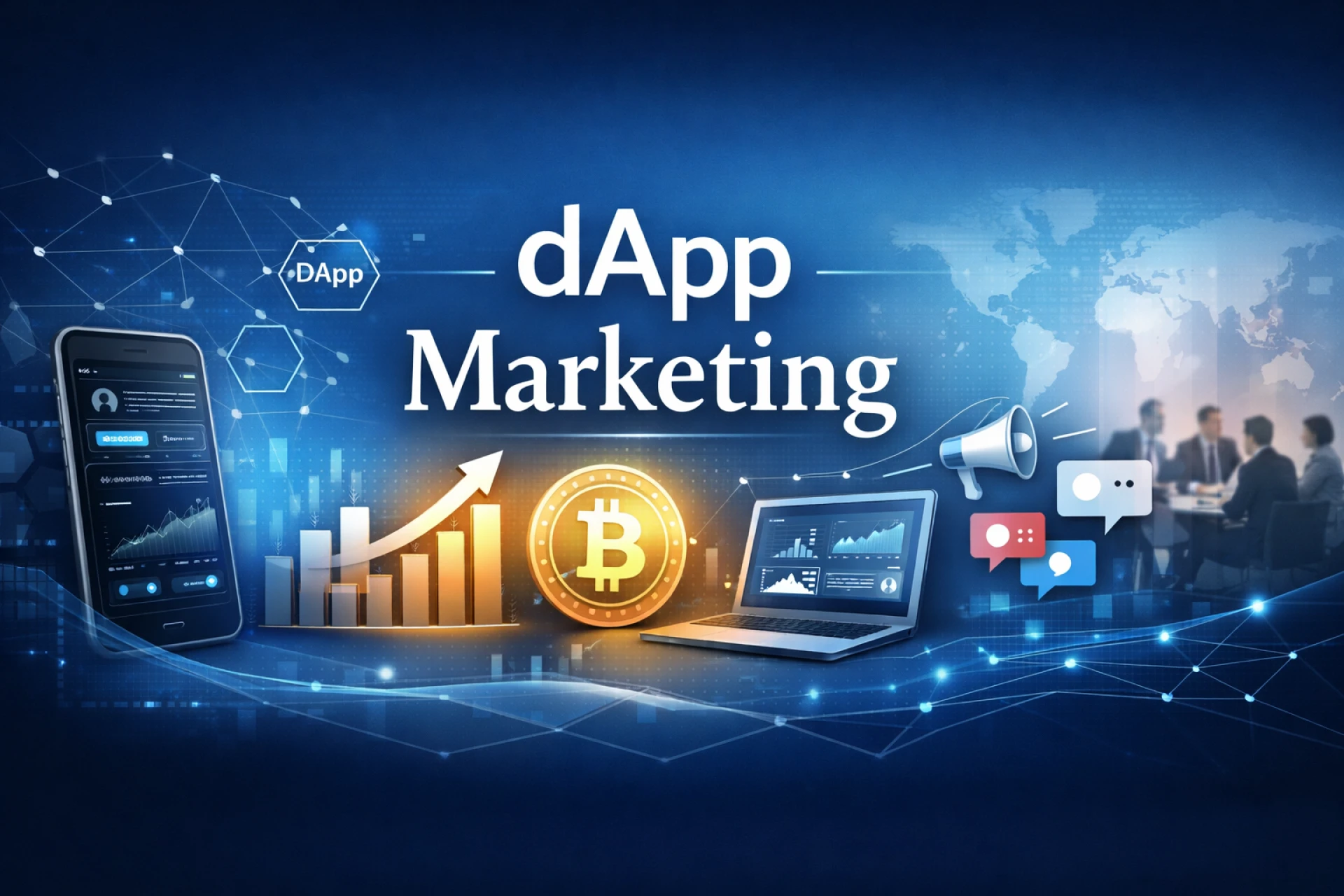
Decentralized applications (dApps) have been transforming the digital ecosystem, enabling trustless transactions, transparent operations, and decentralized governance. With blockchain adoption rising exponentially, the competition for user attention has intensified, making effective marketing strategies critical. In 2026, dApp marketing is evolving beyond simple social media campaigns to a comprehensive approach that blends community engagement, incentive models, partnerships, and innovative growth hacks. This blog explores the top 10 marketing tactics that dApp developers and marketers are leveraging to gain traction, build trust, and scale rapidly.
1. Community-First Marketing
The success of a dApp in 2026 largely depends on its community. Developers are investing heavily in creating loyal communities through platforms like Discord, Telegram, and emerging Web3 social apps. Community-first marketing involves regular AMAs, community voting mechanisms, and transparent development updates, which foster trust and encourage early adoption. Active engagement ensures the community feels valued, transforming users into advocates who spread awareness organically, a tactic that is now considered foundational for any dApp.
2. Token Incentive Programs
Tokenomics remains one of the most effective tools for dApp marketing. Offering rewards in the form of native tokens for activities like referrals, staking, governance participation, or bug reporting incentivizes user involvement. In 2026, sophisticated token incentive programs leverage dynamic reward models that adjust based on engagement levels, ensuring high-value contributors are recognized and motivated. These programs not only boost adoption but also align user behavior with the long-term growth of the dApp ecosystem.
3. Cross-Platform Partnerships
Partnerships are critical for expanding reach and credibility. Modern dApp marketing tactics include strategic alliances with other blockchain projects, NFT creators, and DeFi protocols to co-market products. Such collaborations can provide access to established user bases, enhance brand visibility, and create synergistic growth opportunities. In 2026, co-branded campaigns, shared liquidity programs, and joint airdrops have become common strategies to amplify network effects across multiple platforms.
4. Gamified Engagement
Gamification adds an interactive layer to user engagement, increasing retention and activity. dApps are using leaderboards, quests, achievements, and milestone rewards to encourage users to explore platform features and engage regularly. Gamified marketing transforms mundane interactions into engaging experiences while subtly educating users about the dApp’s functionalities. By 2026, integrating gamified experiences with token rewards and NFT collectibles has become a standard method to sustain long-term user interest.
5. Influencer and KOL Campaigns
Influencer marketing has evolved in the decentralized ecosystem. Collaborating with crypto KOLs (Key Opinion Leaders) and blockchain influencers helps dApps reach niche audiences with higher credibility. In 2026, effective campaigns go beyond simple endorsements and include interactive live sessions, co-created content, and incentivized community challenges hosted by influencers. This approach ensures authentic engagement and taps into the trust these figures have built within the crypto community.
6. Educational Content Marketing
Many potential users hesitate to adopt dApps due to unfamiliarity with blockchain technology. Educational content marketing addresses this barrier by creating tutorials, explainer videos, blogs, and interactive courses. Effective campaigns in 2026 focus on simplifying complex concepts while highlighting practical use cases of the dApp. By educating users, developers reduce friction in onboarding, enhance adoption rates, and establish themselves as thought leaders in the decentralized space.
7. Decentralized Governance Engagement
Decentralized governance mechanisms empower users to have a say in platform decisions, creating a sense of ownership and accountability. Marketing around governance engagement involves showcasing voting events, proposal discussions, and reward structures for active participation. By emphasizing transparency and shared decision-making, dApps cultivate a loyal and invested user base. In 2026, promoting governance initiatives has become a powerful tactic to differentiate dApps from centralized competitors.
8. NFT Collaborations and Launches
NFTs are no longer just collectibles; they have become strategic marketing assets for dApps. Launching exclusive NFTs tied to user achievements, early adoption, or gamified experiences creates buzz and drives engagement. Strategic collaborations with prominent NFT artists or marketplaces further amplify visibility. In 2026, NFT-based campaigns often combine scarcity, community rewards, and social recognition, making them a highly effective tool for user acquisition and brand positioning.
9. Data-Driven Marketing Automation
Marketing automation powered by data analytics allows dApps to target users with personalized campaigns. Tracking on-chain behaviors, engagement metrics, and user preferences enables tailored messaging, timely notifications, and predictive campaigns. In 2026, sophisticated AI-driven automation tools help marketers optimize ad spend, maximize retention, and deliver hyper-personalized experiences. This data-centric approach ensures that marketing efforts are not only scalable but also highly effective in driving conversions.
10. Launchpad and Accelerator Programs
dApp launchpads and accelerators have emerged as essential growth platforms. Participating in these programs provides early exposure, mentorship, funding, and credibility, which accelerates adoption. Marketing through launchpads often involves co-branded campaigns, early access incentives, and pre-sale promotions that attract early investors and users. By 2026, leveraging launchpads has become a critical tactic for both visibility and trust-building in a crowded dApp ecosystem.
Conclusion
Marketing a decentralized application in 2026 requires a multi-faceted approach that blends community engagement, incentive models, educational content, and strategic partnerships. With competition intensifying, dApp developers must focus on authentic user engagement, gamified experiences, and innovative reward systems to drive adoption. By integrating these top 10 tactics community-first initiatives, token incentives, partnerships, gamification, influencer campaigns, educational marketing, governance engagement, NFT collaborations, data-driven automation, and launchpad programs dApps can achieve sustained growth, increased user loyalty, and a strong presence in the rapidly evolving blockchain ecosystem.