Walk into pretty much any banking or fintech conversation today, and tokenization somehow comes up within minutes. It’s not hype for hype’s sake, not totally. Financial institutions are looking at tokenization because it solves problems they’ve been living with for decades: slow settlement, high costs when moving smaller assets , and access that’s been pretty limited for everyday investors.
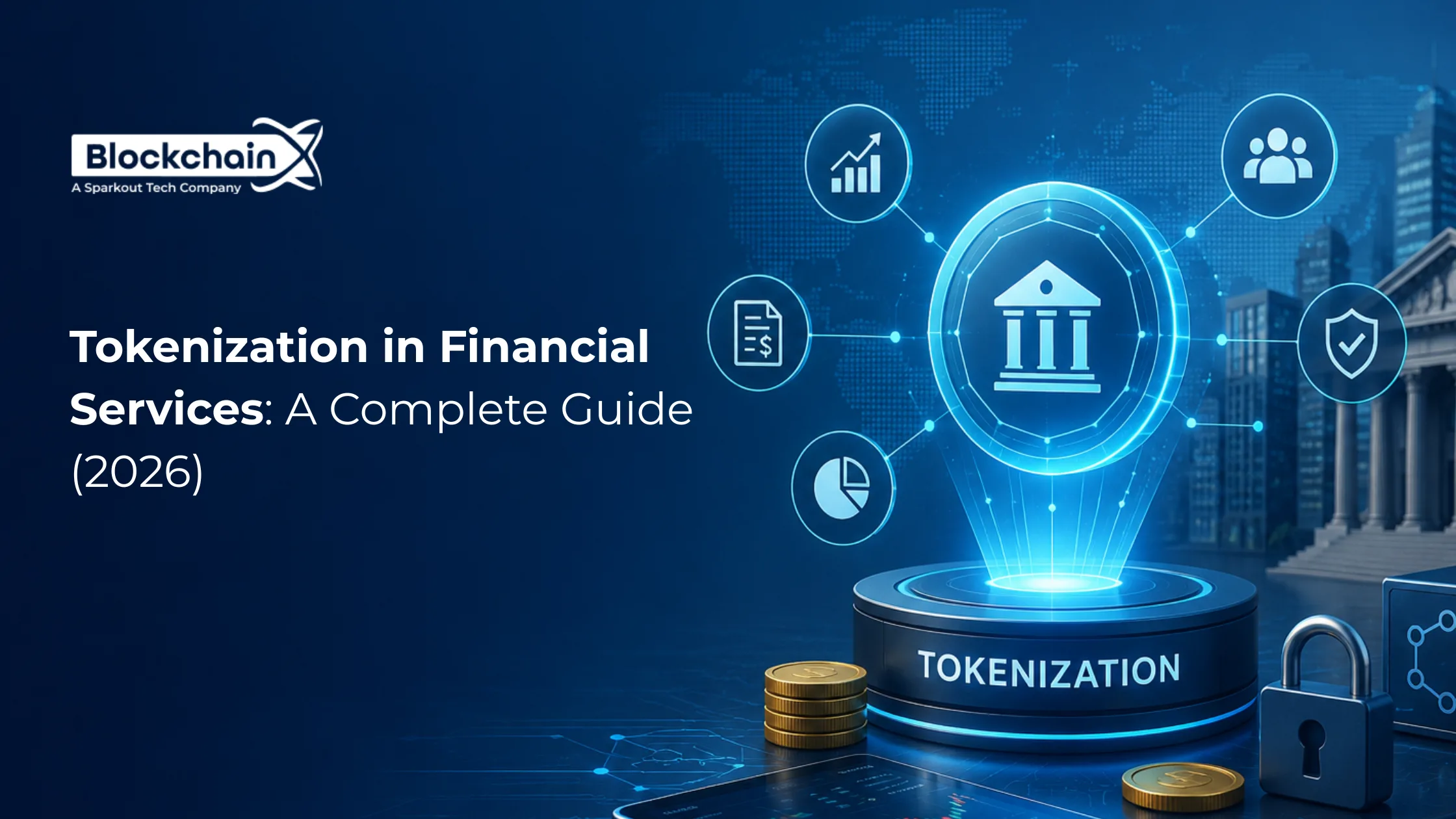
Tokenization takes something with actual value— a bond, a share of a fund, a loan, or even cash itself—and represents it as a digital token on a blockchain. Then that token can be moved around, divided into smaller fractions, and settled almost instantly, without the usual long chain of intermediaries that everybody hates.
This guide kind of breaks down what tokenization really means in financial services terms, where it’s already being used, and what to consider before adopting it, even if it sounds straightforward at first.
What Tokenization Actually Means in Finance
At its core, tokenization is basically the process of turning rights to an asset into a digital token that sort of lives on a blockchain. And the token isn’t just some image or a stand-in, there’s also a direct link to a legal or contractual demand tied to the real underlying asset. So when you hold the token, you’re also holding, or at least claiming, whatever it stands for.
In financial services this concept shows up across a lot of things that have actual value:
- Securities; stocks bonds and fund units represented as tokens
- Cash and deposits;tokenized versions of bank money used for immediate settlement
- Loans and credit; private credit or trade finance positions split into negotiable token forms
- Real assets; real estate, gold, or commodities that back a digital token
Technology helps, sure, but the end result is what matters most: assets that used to need days just to move and settle can now shift in minutes, and things that once demanded big minimum ticket sizes can be broken into smaller, more reachable slices.
Our end-to-end real world asset tokenization development services help banks, financial institutions, and enterprises tokenize assets with compliance and security at the core.
How the Process Works, Step by Step
An asset gets identified and it’s tied to who really owns it , or what rights are attached—so it could be something like a bond, a share in a fund , or even a loan pool.
Then a legal structure gets created, more or less, to link the digital token to that actual claim , which means the token isn’t just an idea, it has real legal standing.
After that, the tokens are issued on a blockchain, and they’re often based on well known standards so they can move around in trading, sit in wallets, and be tracked properly.
Investors then buy, keep , or trade these tokens, while ownership updates are logged on the blockchain in near real time, not “later whenever”.
Compliance checks are also there—like making sure who’s allowed to invest, handling transfer restrictions, and setting up reporting—either built into the token design itself, or managed by the platform behind it.
So it’s kind of different from just posting a picture of an asset online. The legal and compliance layer is what makes tokenization workable in regulated financial markets, and honestly it’s usually the hardest piece to get right, from start to finish.
Where Tokenization Is Already Being Used
Payments and Settlement
Banks are now experimenting with tokenized deposits , and tokenized cash too, aimed at settling transfers instantly between institutions, basically trimming out the old lag you get with wire transfers, plus the correspondent banking chain headaches
Bonds and Fixed Income
Governments and corporations have been issuing tokenized bonds that clear on the same day of issuance instead of the normal multi day grind, which lowers the operational load for both issuers and investors, in a fairly direct way
Private Credit and Funds
Private credit, which has been hard to reach for years , and slow to trade, is getting tokenized now so smaller investors can step in and buy into diversified loan portfolios that were, frankly , mostly reserved for big institutions only
Trade Finance
Things like invoices, letters of credit, and trade receivables are being tokenized so companies can reach financing faster, while investors can fund short term trade assets right away, with less waiting around
Real Estate and Physical Assets
Property is being tokenized, and increasingly gold, art, and other physical holdings are too, enabling fractional ownership, which lets more people invest in assets that used to demand major upfront capital, or so the story goes
What Financial Institutions Stand to Gain
- Faster settlement : moving away from those multi day cycles into same-day, or even instant, transfers feels a bit smoother overall.
- Lower operating costs : there are fewer manual reconciliation steps, and less reliance on intermediaries, so the whole process runs with less friction.
- Fractional ownership : it helps unlock assets that used to be out of reach for a broader investor base, basically turning “not accessible” into “accessible”.
- Better transparency : you get a shared, auditable record of who owns what, and it updates while trades are actually happening , not days later.
- New product opportunities : suddenly assets can be packaged in ways that weren’t practical before, which opens up a bunch of options.
The Real Challenges to Work Through
Tokenization isn’t like a plug and play upgrade, it’s more like it takes some careful thinking. Financial institutions kind of have to work through several repeating issues, before they even bother rolling it out.
First, regulatory clarity can be messy, rules vary by jurisdiction and also by asset type, and yes they are still changing over time.
Then there’s legal enforceability. The token has to stand up as a real claim on the underlying asset, not merely a technical log or record. Otherwise it’s kind of a dead end in practice.
Liquidity is another one. A tokenized asset is only truly tradable to the extent that an actual market exists around it, not just because the technology works.
Integration also matters. Tokenization platforms still need to connect smoothly with existing core banking setups and custody systems, which is rarely seamless.
And custody and security… safeguarding private keys and digital wallets really does demand a different skill set than traditional custody models, so teams have to adjust, train, or partner accordingly.
Where Regulation Stands
Regulators across major financial centers have sort of moved, from a wait and see stance to more active engagement. Some jurisdictions have rolled out clearer licensing frameworks for tokenized securities and digital asset custody, while others are still building guidance, case by case, in a more gradual way.
For any institution thinking about tokenization, the very first step stays the same: check how the specific asset class is treated under local securities, banking and anti money laundering rules, before you even start designing the token structure. Getting the legal wrapper right early, really does save a lot of rework later.
How BlockchainX Supports Tokenization in Financial Services
BlockchainX teams up with banks, asset managers, and fintech companies, to cook up and ship tokenization infrastructure end to end — starting from legal structure advisory and token architecture and then moving into smart contract development, compliance tooling, plus platform integration. Instead of treating tokenization like some one-size-fits-all thing, the method is tuned around the specific asset class, the jurisdiction, and the investor base an institution is aiming for, whether that ends up being tokenized bonds, private credit, real estate, or even trade finance instruments.
For financial services firms looking at tokenization, the practical next move is usually a scoping conversation. like, which asset, which market, and which regulatory framework actually applies. That discussion sort of sets the tone for everything that comes after, not just a small piece of it.