
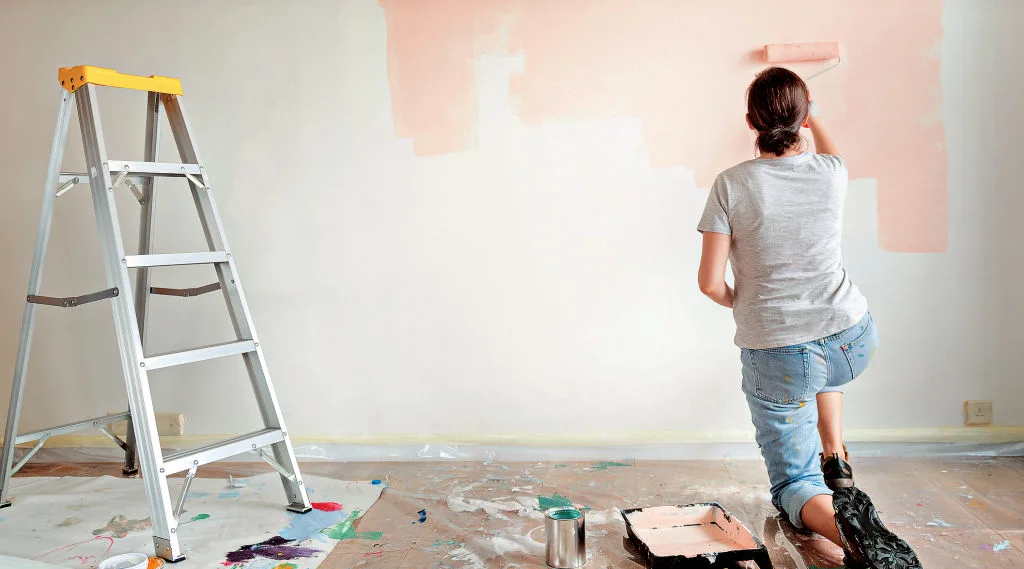
An apartment renovation can boost your comfort, make the space more usable, and increase its value. Apartments have a strict set of rules, such as shared walls, building restrictions, and approval processes that need to be considered before starting. A successful renovation needs good planning, a solid budget, and clear communication with contractors and building management.
Whether you are upgrading a small studio or a larger apartment, following the right approach can help you avoid costly mistakes and achieve a stylish, practical living space.
The article lists ten key tips for apartment renovation, such as following building rules, budgeting wisely, optimising space, prioritising kitchens and bathrooms, hiring experienced pros, ensuring good lighting and ventilation, and planning long-term.
1. Understand Building Rules and Permissions
There are strict rules in apartment buildings about changing walls, the noise you can make, working hours, and where to place renovation trash. You might also need permission and approval from building management and the strata committee to change anything.
If you think you can skip the approval, you could face delays, penalties, and undo the work that’s already finished. So, it’s essential to check local building codes and safety rules before making renovation plans.
2. Set a Realistic Budget
Budgeting costs can get out of hand if you don’t plan things out early. When you decide to set a budget for apartment renovation, always ensure to account for materials, labour, permits, and a little extra for surprises.
It’s a smart move to keep 10-15% aside for unexpected plumbing and wiring needs that come to your knowledge at the renovation time. A clear budget keeps you aligned with the plan and avoids overspending.
3. Focus on Space Optimisation
There is tight space in apartments, so you need to make the most of every square metre available. Design choices can help a small apartment feel more open and usable. Add a built-in storage, select furniture that’s multi-purpose, or an open-plan layout can work better for you.
Mirrors, light colours, and good lighting can also create the illusion of a larger space. During your apartment renovation, prioritise designs that enhance flow and reduce clutter.
4. Upgrade Kitchens and Bathrooms First
Kitchens and bathrooms are the most valuable areas in any apartment. Renovating these spaces can improve comfort and increase property value. Modern kitchens with efficient storage, quality appliances, and durable countertops are highly desirable.
Bathroom upgrades such as new tiles, better lighting, and water-efficient fixtures can transform the overall apartment feel. If your budget is limited, focusing on these two areas will give you the best return on investment.
5. Choose Quality Materials
In apartment living, durability is as important as style. Since space is shared or compact, materials should be long-lasting and easy to maintain. Opt for high-quality flooring, moisture-resistant paint, and sturdy fixtures that can withstand daily use.
Cheap materials may save money initially but can lead to higher maintenance costs later. Investing in quality ensures your apartment renovation remains in good condition for the coming years.
6. Work with Experienced Professionals
Hiring skilled professionals can make a significant difference in the outcome of your renovation. Architects, interior designers, and licenced contractors understand building regulations and can help you avoid common pitfalls.
Experienced professionals ensure that electrical, plumbing, and structural work is done safely and efficiently. Always check reviews, past projects, and certifications before hiring anyone for your apartment renovation.
7. Prioritise Lighting and Ventilation
Lighting plays a key role in enhancing the look and feel of an apartment. Natural light should be maximised wherever possible, while artificial lighting should be layered using ceiling lights, task lighting, and accent lighting.
Good ventilation is equally important, in kitchens and bathrooms. Proper airflow helps maintain indoor air quality and prevents moisture-related issues such as mould and dampness.
8. Maintain a Consistent Design Style
A cohesive design theme helps create a balanced and visually appealing apartment. Whether you prefer modern, minimalist, industrial, or Scandinavian styles, consistency is key.
Avoid mixing too many design elements, as this can make the space feel cluttered. Instead, choose a unified colour palette and complementary materials throughout your apartment renovation.
9. Plan for Noise and Disruption
Renovations in apartments can affect neighbours due to noise and shared walls. It is important to communicate with neighbours and follow designated working hours set by the building management.
Proper planning can minimise inconvenience and maintain good relationships within the building community. Scheduling noisy work during approved hours ensures a smoother renovation process.
10. Think Long-Term
When planning an apartment renovation, always think beyond immediate needs. Consider how your lifestyle may change in the future and design your space. Flexible layouts, additional storage, and adaptable furniture can help your apartment remain functional over time.
A well-planned renovation improves daily living and increases the long-term value of your property.
Conclusion
A successful apartment renovation requires careful planning, smart design choices, and attention to detail. From understanding building rules to optimising space and choosing quality materials, every step plays an important role in achieving the desired result.
By working with professionals, setting a realistic budget, and focusing on long-term value, you can transform your apartment into a stylish, comfortable, and highly functional living space that meets your needs for the coming years.