
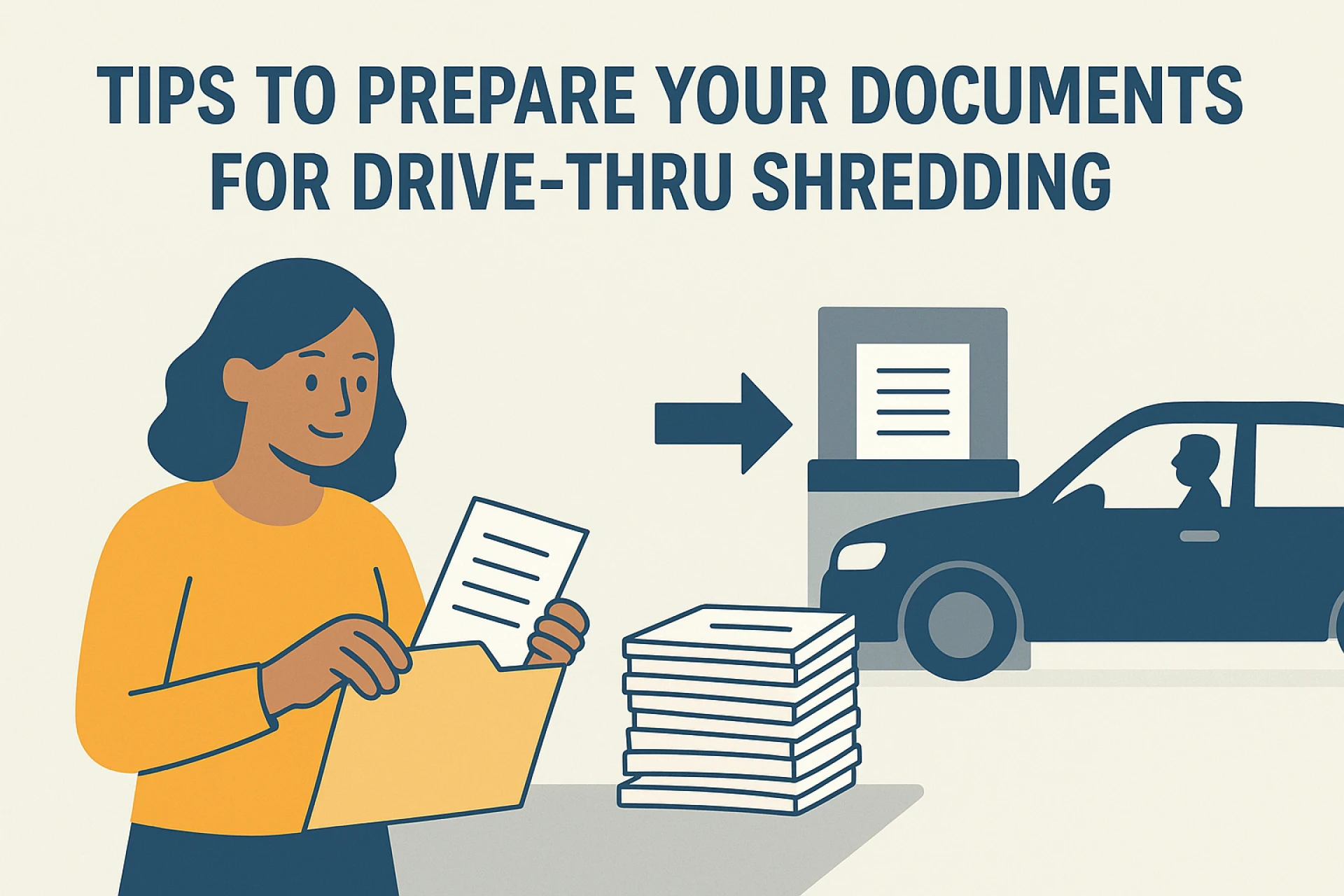
In today’s fast-paced world, businesses and individuals are constantly seeking faster, safer, and more convenient ways to protect their confidential information. That’s exactly what makes the drive-thru shredding service in London so popular. It’s quick, efficient, and secure — allowing you to simply drive up, drop off your paperwork, and watch it get shredded without ever leaving your car.
However, to get the most out of your shredding session, proper preparation is key. By sorting, organising, and handling your documents the right way before you arrive, you can save time, reduce costs, and ensure a smooth, compliant shredding experience.
Let’s explore practical, step-by-step tips to help you prepare your documents for drive-thru shredding like a pro.
What Is Drive-Thru Shredding and Why Is It So Popular?
Drive-thru shredding is an innovative service designed to make document disposal simple and accessible. Instead of scheduling pickups or waiting for mobile units, customers can visit a local shredding centre, hand over their documents, and have them destroyed immediately.
The process is perfect for busy professionals, homeowners, and small businesses looking for secure disposal without any scheduling hassles. It combines the security of professional shredding with the speed of a drop-off service, giving you peace of mind that your confidential information is being destroyed on the spot.
With the increasing emphasis on data security and GDPR compliance, many businesses are now incorporating drive through shredding service options into their routine disposal practices.
Why Proper Preparation Matters
While drive-thru shredding is convenient, showing up with a messy pile of unsorted documents can slow down the process. Preparing your materials ahead of time ensures:
- Faster drop-offs
- Lower shredding costs
- Better compliance and documentation
- Fewer risks of accidentally destroying important papers
A little organisation before you arrive goes a long way in making your shredding experience smooth and efficient.
1. Separate Documents You Actually Need
Before you start gathering papers for shredding, take a moment to review your files. Make sure you’re not disposing of documents that you might still need — such as contracts, tax records, or warranty documents.
A good rule of thumb:
- Keep financial records for at least 6 years (for HMRC compliance).
- Shred outdated reports, client lists, or redundant printed copies.
Sorting first avoids costly mistakes and helps you stay organised.
2. Remove Non-Paper Items Before Shredding
Drive-thru shredding centres use industrial shredders that can handle staples, paper clips, and small bindings — but larger items can cause jams or delays. Before heading to your appointment, remove items like:
- Plastic sleeves or folders
- Large metal clips or binders
- Sticky notes or labels with adhesives
- CDs, DVDs, or USB drives (unless you’ve arranged hard drive shredding)
If you’re unsure, ask your shredding provider — most offer guidelines on what can and cannot go through their shredders.
3. Keep Documents in Secure Containers
Security starts at your desk. Before you leave for the shredding site, store your papers in sealed boxes, lockable bins, or heavy-duty bags. Avoid open-top containers where pages might blow away or be exposed.
Label each box with categories like Invoices, Old Client Files, or HR Records to make the process faster once you arrive. This organisation also helps if you need a Certificate of Destruction for compliance purposes.
4. Separate Personal and Business Documents
If you’re bringing both personal and company papers, keep them in separate boxes. Business documents often require stricter handling and may need to be recorded for compliance.
This distinction also helps you track what was destroyed and ensures accurate reporting — especially useful for businesses that must maintain shredding logs for auditing.
5. Check for Confidential or Sensitive Information
You’d be surprised how often people accidentally discard papers that contain sensitive data — such as client phone numbers, staff records, or login credentials.
Take a quick scan through your files to identify anything that might fall under personal data as defined by GDPR. This includes:
- Employee or customer details
- Financial information
- Legal correspondence
- Medical or HR documents
Shredding such documents through a secure shredding service ensures they’re destroyed safely and irreversibly.
6. Bundle Your Documents Efficiently
For faster processing, pack your papers neatly in uniform-sized boxes or bags. Avoid overstuffing them — this makes it harder for staff to handle and feed into shredders.
If you’re using banker boxes, ensure they’re sealed properly and labeled. A little preparation saves time during drop-off and keeps the entire queue moving smoothly.
7. Don’t Mix Media Types (Paper vs Electronics)
Drive-thru shredding services are meant primarily for paper materials. If you have old hard drives, CDs, or USB devices, let your provider know beforehand — they can arrange hard drive destruction or electronic media shredding separately.
Mixing these with paper can damage shredders and may lead to delays or extra costs.
8. Know What You Can’t Shred
Some materials shouldn’t go into shredders due to contamination or processing issues. Avoid including:
- Wet or damp papers
- Food wrappers
- Laminated sheets
- Sticky labels
- Plastic folders
Keeping your load clean helps the shredding facility operate efficiently — and keeps recycling streams free of contaminants.
9. Time Your Visit Smartly
Drive-thru shredding events or services can get busy, especially during weekends or end-of-quarter rushes when offices are clearing out paperwork.
Check your provider’s schedule in advance and try visiting during off-peak hours. You’ll enjoy shorter wait times and faster service.
10. Bring Proof of Identity (for Compliance)
Some shredding providers require ID verification or business details before accepting sensitive materials. This is a key part of their chain-of-custody process, ensuring your data is handled only by authorised personnel.
Carry your business ID, receipt, or appointment confirmation to avoid any last-minute issues at the site.
11. Understand the Shredding Process
Knowing what happens after drop-off helps build confidence in the service. Most drive through shredding services follow these steps:
- Your boxes or bags are weighed and checked in.
- Materials are placed into industrial shredders on-site.
- You can often witness the destruction process for assurance.
- The shredded material is compacted and sent for secure recycling.
- You receive a Certificate of Destruction for compliance documentation.
Providers like Total Shred maintain complete transparency, ensuring each step aligns with GDPR and ISO standards for secure data destruction.
12. Ask About Recycling and Sustainability
Modern shredding companies do more than destroy data — they also support eco-friendly waste management. After shredding, the paper is typically baled and sent to recycling mills to be turned into new products.
This reduces landfill waste and supports your business’s green initiatives. When selecting a document shredding service in the UK, look for one that follows responsible recycling practices and offers traceable destruction reports.
13. Don’t Forget Digital Records
In today’s hybrid workplaces, businesses often store a mix of paper and digital records. When clearing out old paperwork, it’s also a great time to review and securely delete digital files that are no longer needed.
Some shredding providers also offer data destruction services for hard drives and electronic storage devices — ensuring your entire information lifecycle remains secure.
14. Choose a Trusted Shredding Partner
Your drive-thru shredding experience is only as good as the company behind it. Partnering with a certified provider like Total Shred guarantees that your data is destroyed using the highest security and environmental standards.
Look for accreditations such as ISO 9001, BS EN 15713, and membership in industry bodies like the British Security Industry Association (BSIA). These certifications prove that your provider adheres to strict data handling protocols.
Final Thoughts: Make Shredding Simple, Secure, and Smart
Preparing your documents for shredding doesn’t need to be complicated — a little planning can save you time, money, and stress. Whether you’re decluttering your home office or managing bulk disposal for your company, following these tips ensures your shredding experience is seamless and compliant.
By partnering with experts like Total Shred, you get the assurance that your data is protected from start to finish. Their team follows certified processes for secure collection, shredding, and recycling — giving you total peace of mind.
So, the next time you plan your disposal day, streamline your process with a document shredding service and enjoy the ease of modern, convenient, and secure shredding.
To learn more about data protection and eco-friendly disposal, explore how our secure shredding service in the UK can keep your information safe while helping the environment.