
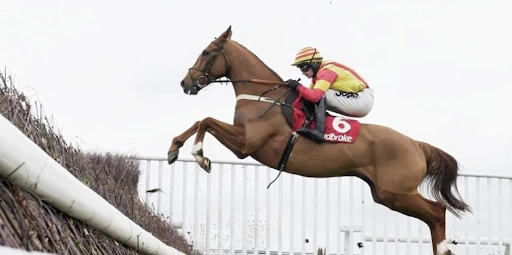
The horse race is one of the most anticipated sporting events on the Indian racing calendar, drawing both seasoned punters and casual spectators. To make the most of your experience, whether placing a wager or simply following the action, it’s essential to understand how to read a Delhi horse race card. This card provides vital information about each race, including entries, past performance, jockey details, and more. By learning to interpret this data, you gain clarity and confidence when assessing race outcomes and making informed decisions.
What Is a Race Card?
A race card lists all races scheduled for the day, including horses, jockeys, trainers, conditions, and odds. It acts as a roadmap, helping you understand the competitive landscape before the Delhi horse race begins.
Start With the Basics: Race Details
The first section shows race time, distance, type, and track surface. These factors affect performance, with some horses excelling in sprints while others perform better over longer distances in a Delhi horse race.
Horse Form: Why It Matters
Horse form indicates recent finishes, wins, and consistency. Reliable performers or those showing improvement can signal potential success, helping you assess contenders for the Delhi horse race more effectively.
Jockey and Trainer Insights
A horse’s performance often depends on the jockey and trainer. Race cards list both, offering insight into experience and strategy. Skilled jockeys and successful trainers, especially in events like the Delhi horse race, can significantly influence outcomes and help identify top contenders.
Pay Attention to Weight and Handicap
In many races, horses carry assigned weights intended to level the playing field. Race cards list these weights alongside each horse. A lighter weight can be an advantage, especially in longer races or under testing track conditions. However, weight should always be interpreted in conjunction with form and experience. A horse carrying more weight but with superior form and track familiarity might still hold an edge in the Delhi horse race.
Track Conditions and Weather
Track condition, often described as firm, good, soft, or yielding, is another essential detail on a race card. Weather conditions leading up to race day can change how the track feels underfoot, which directly influences a horse’s performance. Some horses handle soft ground better than others, making them stronger bets under rainy conditions. Always check the track’s going and recent weather forecasts to refine your assessments.
Understanding Betting Odds
Race cards usually include betting odds for each entry. Odds indicate how the betting market views each horse’s chances of winning. Lower odds suggest favourites, while long odds indicate perceived outsiders. While favourites often have a statistical edge, high-value bets can emerge from horses placed at odds when other race factors, such as improved form or favourable conditions, align. Reading odds alongside form and jockey data provides a more balanced view of each horse’s potential.
Final Thoughts Before the Race
By using these tips to read the race card, you equip yourself with a deeper understanding of the factors at play in a Delhi horse race. From basic race data and horse form to jockey skills and track conditions, each element contributes to a fuller picture of what may unfold on race day. Whether you’re betting, spectating, or analysing performance trends, a confident interpretation of the race card makes the experience richer and more engaging.
Conclusion
Reading a race card with confidence requires attention to detail, patience, and context. The insights gained from careful analysis help you appreciate the strategy, effort, and skill involved in every race. When you apply these strategies to events like the Delhi horse race, you not only enhance your decision-making but also deepen your enjoyment of the sport. For those exploring other races across India, similar principles apply even at marquee events such as a horse race in Hyderabad, where understanding every facet of the race card can be equally rewarding. This knowledge ensures a more enjoyable and informed approach to horse racing, whether you’re a first-time viewer or a lifelong fan.