Smart casual dressing is all about finding the right balance between looking polished and feeling comfortable. It sits between formal business attire and relaxed everyday clothing, making it suitable for office environments, dinner dates, social gatherings and weekend outings. While shirts, trousers and jackets all contribute to the overall look, footwear often determines whether an outfit feels coordinated or incomplete.
Choosing the right mens smart casual shoes can make everyday dressing considerably easier. The ideal pair should complement different clothing styles, offer lasting comfort and suit the occasion without appearing too formal or too relaxed. Understanding materials, colours, designs and fit will help you make informed choices and build a wardrobe that works throughout the year.
Understanding the Smart Casual Dress Code
Smart casual does not have one fixed definition. Its meaning changes depending on the setting, workplace expectations and occasion. For example, an outfit suitable for a relaxed office may look different from one worn to a restaurant or an informal evening event.
The key is to combine structured pieces with more relaxed items. A crisp Oxford shirt and tailored trousers can work well with understated leather footwear, while dark jeans, a knitted polo shirt and suede shoes create a more laid-back appearance.
The aim is to look considered rather than overly dressed. Clean footwear, well-fitting clothing and complementary colours usually make a greater difference than following every passing fashion trend.
Choosing Footwear That Works with Different Outfits
Versatility is one of the most useful qualities to consider when buying shoes. A pair that works with several outfits can offer better everyday value than something designed for only one occasion.
Loafers for Effortless Style
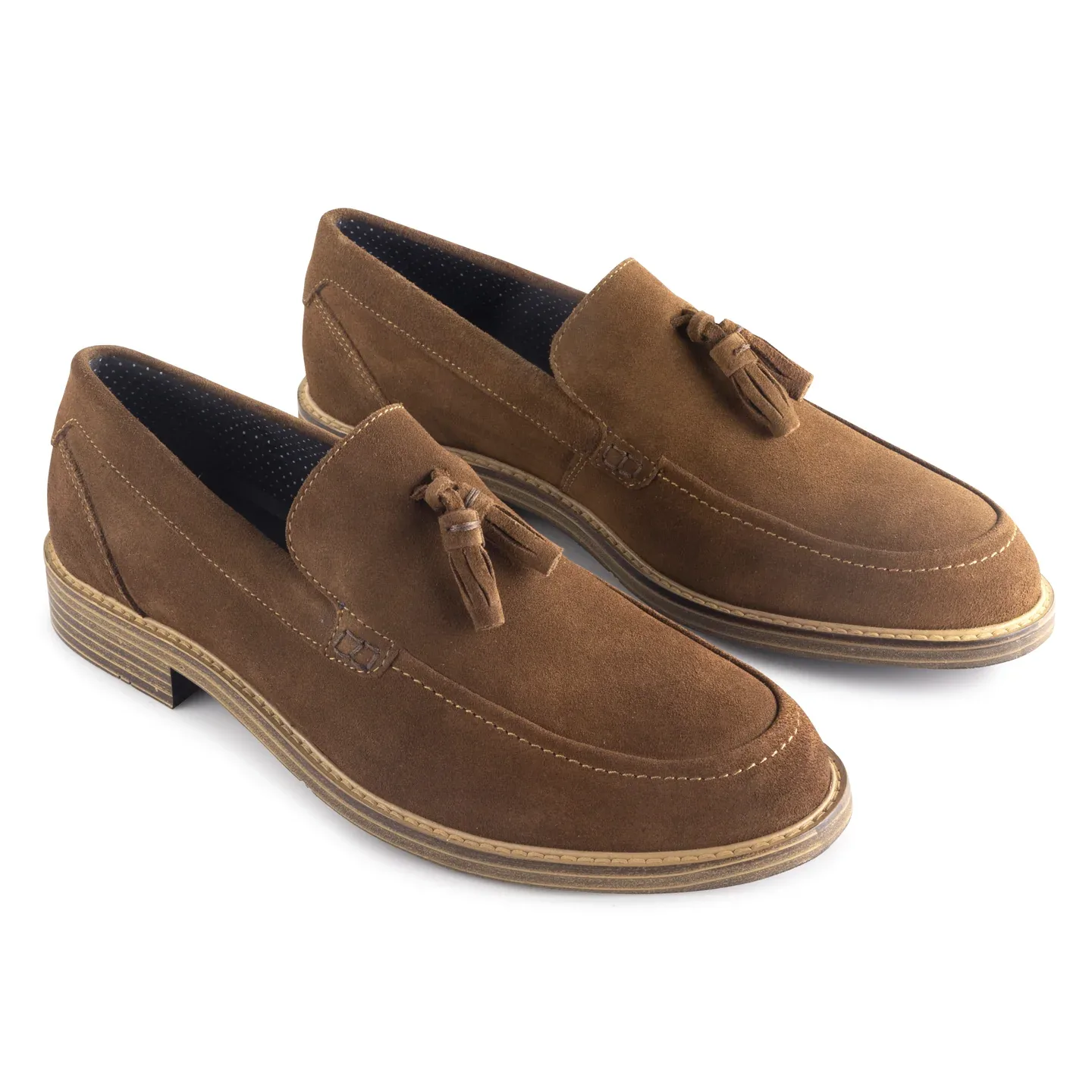
Loafers are a popular choice for smart casual dressing because they combine a neat appearance with easy wear. Penny loafers, in particular, work well with chinos, tailored trousers and dark denim.
Leather loafers offer a refined finish that suits dinners, office meetings and social events. Suede versions introduce a softer texture, making them particularly suitable for spring and summer outfits.
For a balanced appearance, choose a design with clean lines and minimal decoration. Brown loafers pair naturally with navy, beige and olive clothing, while black styles can create a sharper contrast with darker outfits.
Derby Shoes for a More Structured Look
Derby shoes provide a useful option when an occasion calls for something slightly more formal. Their open-lacing construction gives them a distinctive appearance, and many designs are comfortable enough for regular wear.
Smooth leather versions complement tailored trousers and smart jeans, while suede options can soften an otherwise structured outfit. They are particularly useful for professionals who want footwear that can move between office hours and evening plans.
Minimal Trainers for Relaxed Occasions
Trainers can also fit into a smart casual wardrobe when their design is understated. Look for simple silhouettes, subtle branding and clean finishes rather than bulky sportswear styles.
White leather trainers work well with dark jeans, chinos and lightweight jackets. Neutral colours such as grey, navy and off-white can also be easy to coordinate with everyday clothing.
The condition of the footwear matters just as much as its design. Scuffed surfaces, dirty soles and worn laces can make an otherwise polished outfit appear neglected.
Why Material and Construction Matter
Appearance is important, but the quality of a shoe's materials and construction also affects its comfort, durability and maintenance requirements.
Leather is valued for its smart finish and ability to develop character with use when properly maintained. However, different types of leather vary in softness, finish and resistance to everyday wear. Read product descriptions carefully rather than assuming every leather shoe has the same characteristics.
Suede provides a textured alternative that works particularly well with casual tailoring. It generally requires more attention in wet weather, so a suitable protective treatment and a suede brush can help keep it looking presentable.
Synthetic materials may offer a practical option for buyers with particular budget or maintenance priorities. Compare the lining, flexibility, sole construction and overall finish before deciding which material best suits your needs.
When assessing mens smart casual shoes, consider how frequently you will wear them, the surfaces you walk on and the amount of care you are prepared to provide. These factors can be more useful than appearance alone when comparing different pairs.
Getting the Fit Right for Everyday Comfort
Even an attractive shoe can become an unsuitable purchase if it does not fit properly. Footwear should feel secure without creating uncomfortable pressure around the toes, heel or sides of the foot.
Try shoes later in the day if possible, as feet can swell slightly throughout the day. Wear the type of socks you expect to use regularly, and check that your toes have enough room to move naturally.
Pay attention to heel movement as well. A small amount of movement may occur with certain designs, but excessive slipping can cause rubbing and discomfort. The shoe should hold your foot securely without needing to be painfully tight.
Sizing can differ between manufacturers and styles, so avoid relying entirely on the number printed inside a shoe. If buying online, check the retailer's size guide and returns policy before ordering.
Styling Tips for Different Seasons
A versatile footwear collection should reflect the weather and clothing you wear throughout the year.
Spring and Summer
Warmer months are well suited to loafers, lightweight Derby shoes and minimal trainers. Lighter shades, breathable linings and less bulky designs can complement linen shirts, cotton chinos and relaxed tailoring.
Tan, beige and lighter brown footwear can create a fresh appearance when paired with navy or cream clothing. However, darker shoes remain useful for evening occasions and more formal settings.
Autumn and Winter
During colder months, deeper colours and sturdier soles can be practical choices. Dark brown leather shoes, burgundy loafers and robust Derby styles work well with heavier trousers, knitwear and structured coats.
Wet conditions require additional consideration. Check the sole's grip, allow damp shoes to dry naturally and avoid placing leather footwear directly beside a radiator. Rotating between pairs can also give shoes time to dry between wears.
Building a Practical Footwear Collection
A well-planned wardrobe does not need to contain dozens of pairs. Starting with two or three versatile styles can provide enough flexibility for many everyday situations.
A simple leather loafer can cover dinners and smart social events. A Derby shoe offers a more structured alternative for work and occasions requiring a polished appearance. A clean, neutral trainer provides comfort for relaxed settings.
When comparing different options, consider the cost per wear rather than the initial price alone. A reasonably priced pair that suits your routine and receives regular use may be more valuable than an expensive design that rarely leaves the wardrobe.
Amen Shoes is one name shoppers may encounter when exploring men's footwear. As with any retailer, it is worth reviewing the product specifications, available sizes, material descriptions and care instructions to determine whether a particular pair meets your requirements.
Looking After Your Shoes
Regular maintenance helps preserve the appearance of footwear and can extend its useful life.
Remove surface dust after wearing leather shoes, and use an appropriate conditioner when the material requires it. For suede, use a dedicated brush and follow the manufacturer's cleaning guidance. Always test unfamiliar cleaning products on a discreet area first.
Allow shoes to dry naturally after exposure to rain. Cedar shoe trees can help maintain shape and absorb some moisture, while storing footwear away from direct sunlight can reduce unnecessary fading.
Inspect the soles and heels periodically. Replacing worn components when appropriate may help keep a favourite pair wearable for longer.
Amen Shoes can be considered alongside other footwear options when researching styles for different occasions. Regardless of where you shop, checking construction details and following the recommended care instructions are sensible steps before making a purchase.
Making a Confident Footwear Choice
The best footwear decisions begin with an understanding of your lifestyle. Consider where you spend most of your time, how formal your usual clothing is and whether comfort, versatility or a particular appearance matters most.
Choose colours that complement your existing wardrobe, prioritise a comfortable fit and pay attention to materials that suit your local weather. Avoid buying a style simply because it is fashionable if it does not meet your everyday needs.
Ultimately, mens smart casual shoes should make getting dressed simpler, not more complicated. A thoughtfully selected pair can work across several occasions while maintaining a neat and comfortable appearance.
Amen Shoes is another option to explore when comparing designs, but the most suitable choice will always depend on individual fit, preferences and intended use.
With careful selection and consistent maintenance, a small collection of versatile footwear can support a wide range of outfits. Focus on quality where it matters, keep your shoes in good condition and choose designs that feel appropriate for the way you live and work.