
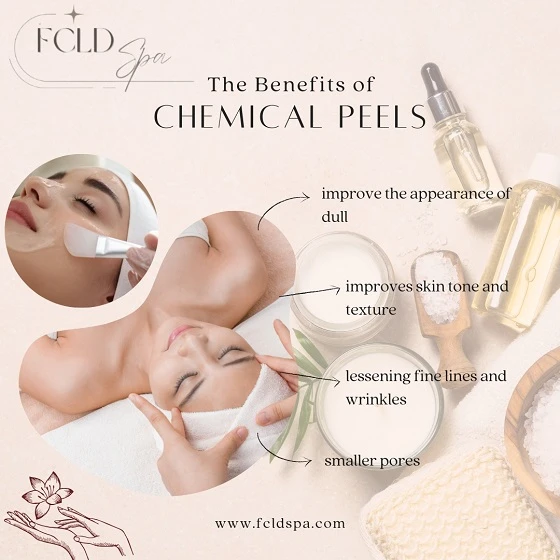
In the dynamic world of advanced skincare, where trends come and go, one treatment has consistently stood the test of time due to its proven efficacy and versatility: the professional chemical peel. This sophisticated, yet fundamentally simple, procedure offers a powerful path to skin rejuvenation, addressing concerns from surface dullness to deeper textural issues. It represents not a one-time quick fix, but a strategic approach to long-term skin health, revealing a clearer, smoother, and more radiant complexion by working in harmony with your skin’s own natural renewal processes. The key to unlocking these benefits lies in seeking the expertise of a qualified professional who can navigate the myriad of options to craft a perfectly tailored treatment plan.
A professional chemical peel is a controlled, in-office procedure where a carefully formulated acidic solution is applied to the skin. This solution works as a catalyzing agent, accelerating the skin's natural exfoliation cycle. By causing the outermost layers of damaged, dead skin cells to separate and shed, the treatment efficiently clears the way for the regeneration of new, healthy skin cells from the deeper dermal layers. The specific agents used such as gentle Alpha Hydroxy Acids (AHAs) like glycolic and lactic acid, pore-penetrating Beta Hydroxy Acids (BHAs) like salicylic acid, or more intensive options like Trichloroacetic Acid (TCA) are selected based on your unique skin profile. This scientific approach to exfoliation is what sets a professional peel apart from at-home scrubs or products, offering a depth and precision that yields truly transformative results.
The decision to undergo a chemical peels FL treatment is often driven by a desire to correct specific concerns or to achieve a comprehensive refresh. The true strength of this procedure is its ability to multitask, offering solutions for a wide range of common complexion issues through a single, streamlined treatment modality. The customization available in a clinical setting means your provider can target your primary goals, whether they are anti-aging, acne control, or pigment correction, with a focused formulation.
Primary Skin Concerns Addressed by Chemical Peels:
- Fine Lines and Wrinkles: As we age, our production of collagen and elastin the proteins responsible for skin’s plumpness and snap naturally declines. Chemical peels combat this by inducing a controlled wound-healing response. This process directly stimulates neo collagenesis, the creation of new collagen, leading to a firmer, smoother skin surface with a visible reduction in the appearance of fine lines, especially around the eyes and mouth.
- Uneven Skin Tone and Texture: Sun damage, genetics, and environmental factors can leave skin feeling rough or looking uneven. Peels excel at refining the skin’s topography. They smooth away flakes and dry patches, minimize the appearance of enlarged pores, and soften rough, crepey skin, resulting in a noticeably silkier, more uniform canvas that feels as good as it looks.
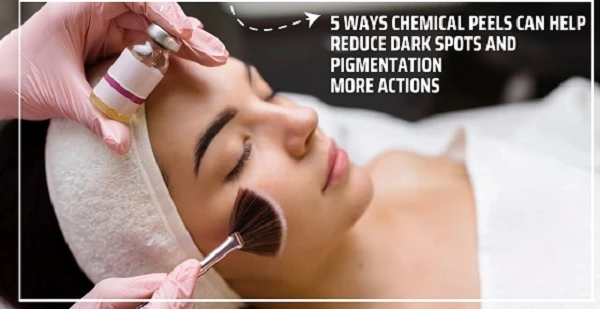
- Hyperpigmentation and Sun Damage: Brown spots, melasma, and general sun-induced discoloration occur when melanin clusters in the upper layers of the skin. The exfoliative action of a peel helps to break up and disperse these pigment deposits, gradually fading dark spots and revealing a more even, balanced, and luminous complexion. Consistent treatment, paired with rigorous sun protection, can effectively manage stubborn pigment.
- Acne and Congested Skin: For those struggling with active breakouts or persistent blackheads and whiteheads, certain peels are exceptionally effective. Salicylic acid (a BHA) is oil-soluble, allowing it to delve deep into pores to dissolve excess sebum and dead skin cell buildup. This not only clears existing blockages but also creates an environment less hospitable to future acne-causing bacteria.
- Acne Scarring and Surface Imperfections: While deep pitted scars often require more invasive treatments, superficial acne scarring, post-inflammatory hyperpigmentation (the red or brown marks left after a pimple heals), and minor surface irregularities can be markedly improved. By encouraging the skin to regenerate uniformly over a series of sessions, peels can soften scar edges and smooth out overall texture.
- Dull, Lackluster Complexion: The daily accumulation of dead skin cells on the surface acts like a veil, obscuring your skin’s natural glow. A light chemical peels FL treatment acts as a powerful reset, swiftly removing this dulling layer to instantly unveil a brighter, fresher, and more radiant appearance. This “peel glow” is one of the most immediate and satisfying outcomes.
The Professional Peel Experience: A Step-by-Step Journey
Understanding the process from consultation to aftercare is crucial for setting realistic expectations and achieving the best possible outcome. A professional peel is a collaborative journey between you and your skincare provider.
- Comprehensive Consultation: This foundational step involves a detailed discussion of your skin history, goals, and concerns. Your provider will examine your skin type, tone, sensitivity, and any active conditions. This assessment is critical for selecting the correct peel type, strength, and protocol, ensuring the treatment is both safe and optimally effective for you.
- Pre-Treatment Preparation: Depending on the peel depth, your provider may recommend a pre-conditioning skincare regimen for 2-4 weeks prior to your appointment. This often includes products like retinoids or specific gentle acids to prime the skin, enhance tolerance, and improve final results. Avoiding sun exposure, waxing, and certain medications is also typically advised.
- The Treatment Day Protocol: On the day of your peel, your skin will be thoroughly cleansed and degreased. The practitioner will then methodically apply the chosen solution using brushes or gauze, carefully monitoring the skin’s reaction. You may feel a warming or tingling sensation. For deeper peels, a neutralizing solution may be applied to halt the action at the precise moment.
- Immediate Post-Treatment Phase: After the solution is removed, your skin will likely be red and feel tight, similar to a sunburn. For light peels, this may subside in a few hours. Medium-depth peels often result in more pronounced redness and swelling for the first 24-48 hours. Your provider will apply a soothing balm or mask and give you detailed instructions.
- The Peeling and Healing Process: Visible peeling usually begins on day 2 or 3 with medium peels, presenting as flaking or sheets of peeling skin, and can last up to a week. Light peels may result in subtle, almost imperceptible flaking. It is paramount not to pick, pull, or manually exfoliate the peeling skin, as this can cause scarring, infection, or disrupt the healing.
- Essential Aftercare Regimen: This is arguably the most critical component for success and safety. Your skin barrier is temporarily compromised, making it vulnerable.
- Gentle Cleansing: Use only a mild, non-exfoliating cleanser as directed.
- Intense Moisturization: Apply a bland, reparative moisturizer frequently to soothe and support the healing skin.
- Mandatory Sun Protection: Daily use of a broad-spectrum SPF 30 or higher is non-negotiable. New skin is highly susceptible to UV damage, which can reverse results and cause hyperpigmentation.
- Temporary Product Pause: Avoid retinoids, scrubs, and other active ingredients until your provider gives the all-clear.
Is a Professional Chemical Peel Right for You? Key Considerations
A candid evaluation with a skilled professional is the only way to determine your suitability. They will guide you through several important factors:
- Skin Type and Ethnicity: Certain peels carry a higher risk of causing post-inflammatory hyperpigmentation (PIH) in darker skin tones. An expert will choose agents and pre-treatment strategies known to be safe and effective for your specific skin type and ethnicity.
- Current Skin Conditions and Medical History: Active cold sores, eczema, psoriasis, rosacea flare-ups, or open wounds may require treatment postponement. A full disclosure of medications (especially oral acne prescriptions like isotretinoin), allergies, and past procedures is essential for safety.
- Realistic Outcome Expectations: While dramatic, a single peel is not a miracle. A series of treatments spaced 4-6 weeks apart is typically recommended for cumulative, lasting improvement. Understanding that results are progressive helps maintain satisfaction.
- Lifestyle and Downtime: You must be prepared for the visible peeling process and committed to the strict sun-avoidance protocol. Scheduling treatments during periods of lower sun exposure is often wise.
- Choosing the Right Provider: The practitioner’s training, experience, and ability to create a customized plan are paramount. Ensure you are in the care of a licensed aesthetician, nurse, or dermatologist with specific expertise in chemical peels.
Ultimately, a professional chemical peel is a powerful tool in the pursuit of healthy, vibrant skin. It is a testament to the principle that sometimes, letting go of the old layers is the most effective way to reveal a brighter, more confident you. When performed by a knowledgeable professional, it remains an unparalleled treatment for comprehensive skin renewal.