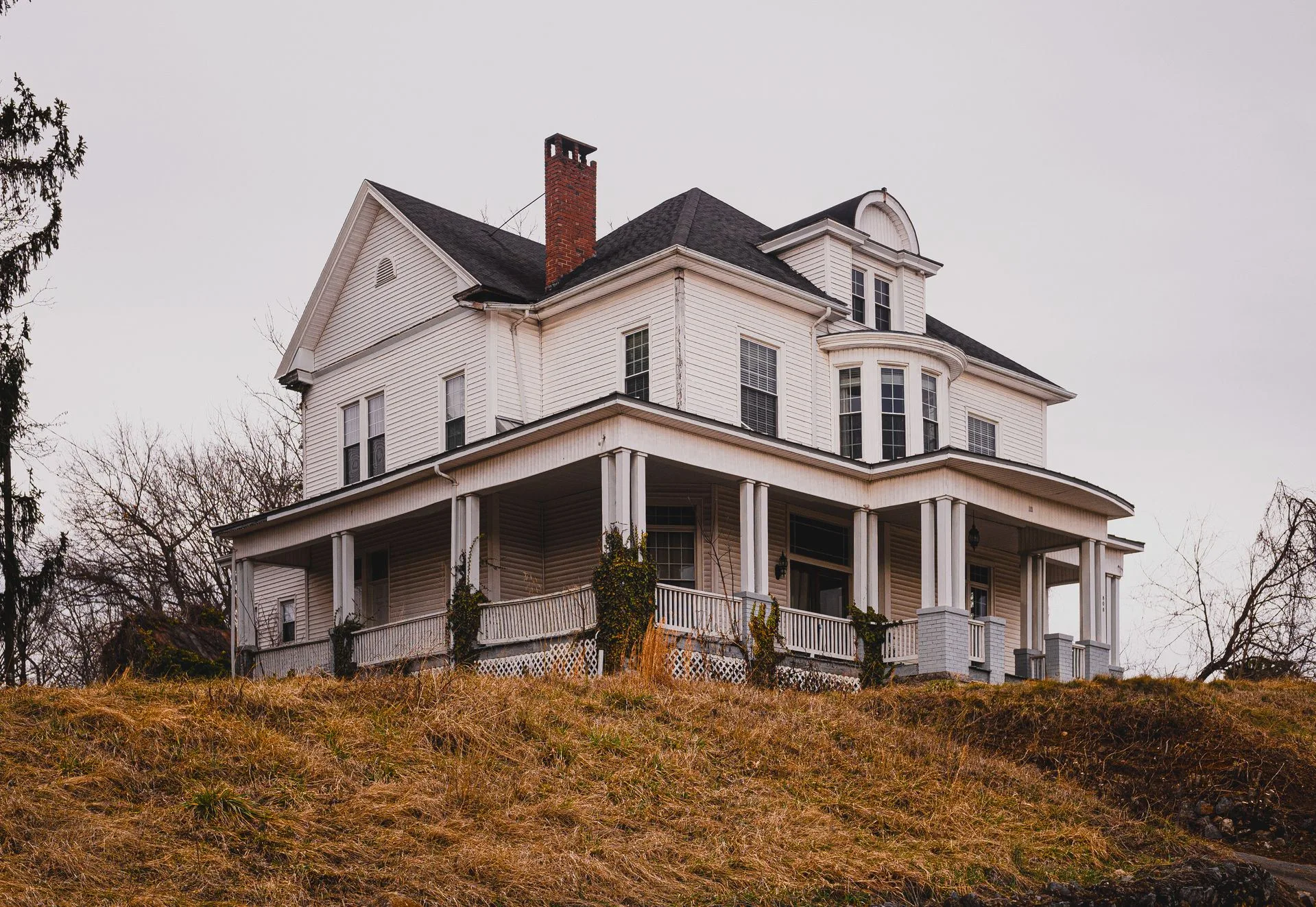
So what actually makes a home your dream home? For generations, the answer felt almost scripted: big house, desirable zip code, white picket fence out front, maybe a three-car garage around the side. That picture is fading now. Quietly, but unmistakably. Buyers and current homeowners alike are stepping back from the old fantasy and asking harder questions about what they actually want from the place they sleep every night.
Rethinking Size and Space
American housing culture spent decades treating square footage like a moral virtue. Bigger meant better — full stop. People built their lives around landing the largest house their income could justify. That thinking is cracking. Families are downsizing not because they're priced out of something larger, but because they've done the math: extra rooms bring extra costs, extra upkeep, and whole wings that collect dust. A home office crammed into a spare bedroom serves the same daily function as a dedicated study in a sprawling estate. At a fraction of the headache.
Younger homeowners especially are asking the obvious question. Why maintain twelve rooms when five actually get used? Energy bills scale with every additional square foot. Property taxes climb. The hours spent cleaning a house that's too big for its occupants add up fast. People are finding, somewhat to their own surprise, that smaller spaces fitted to real life feel better than large spaces fitted to fantasy.
Location Values Are Shifting
The perfect neighborhood used to mean a gated community on the city's edge, or a suburb with a prestigious enough name to impress people at dinner parties. That calculus has flipped. Buyers now care about walkability, commute times, coffee shops within walking distance, and transit access. A prestigious zip code thirty-five miles out matters less than being able to reach work without losing an hour each way.
The commute issue alone drives a lot of this. A compact house fifteen minutes from the office often delivers more daily satisfaction than a showcase property requiring ninety minutes of driving. And younger buyers — more so than previous generations — actively want neighborhoods where life happens outside the car. Streets with parks, restaurants, local shops. What once read as aspirational now reads as unnecessarily isolated. The sprawling subdivision at the end of a highway ramp has lost some of its old appeal.
Sustainability and Conscious Consumption
Environmental values are reshaping the ideal. The traditional dream home was essentially a maximum-consumption statement: the most land, the most material, the most energy burned to heat and cool it all. Modern buyers increasingly want something different. Smaller homes use less energy by default. Less material to build. Less land consumed. That alignment with environmental values isn't incidental — for many people, it's the point.
Solar panels, proper insulation, smart home systems — these features draw real investment now. Square footage, not so much. The prestige once attached to conspicuous excess is eroding; in its place, something like respect for restraint. Choosing a modest home isn't a consolation prize anymore. For buyers who care about their footprint, it's actually the goal.
The Financial Reality Check
The financial crisis left marks. Stretching every available dollar toward a maximum mortgage stopped feeling like ambition and started feeling like a trap. People watched foreclosures happen to people they knew. They saw friends chained to payments that swallowed their flexibility for years. The lesson landed: overextending for a house isn't a long-term strategy. It's a long-term vulnerability.
Money tied up in mortgage payments beyond what's genuinely needed is money unavailable for everything else — experiences, education, retirement savings, emergencies. Developers and urban planners responding to this demand for affordable, community-centered housing have increasingly turned to multi family home designs that create efficient living spaces suited to buyers prioritizing practicality over prestige. A paid-off modest home buys freedom that a thirty-year mortgage on something oversized simply cannot. That's not a compromise. It's a different — arguably smarter — definition of winning.
Personalization Over Prestige
The old dream home implied a kind of standardization. Right house, right neighborhood, achievement unlocked. Today's buyers aren't following that script. They're building spaces around actual lives — specific hobbies, work habits, daily rhythms. A musician might trade a grand master suite for a soundproofed room. Someone who gardens seriously might choose a smaller house specifically because the lot allows for more outdoor space. The priorities are genuinely individual now.
Design choices follow the same logic. Magazine trends matter less. Personal taste matters more. Building a home around your own personality and values produces something that feels genuinely satisfying rather than performative. The dream home is becoming less about what it signals to other people and more about whether it actually works for the person who lives there every day.
Conclusion
Stepping back from the traditional dream home isn't a retreat. It's a more honest reckoning with what houses actually do for people. Practical spaces, efficiently sized, sustainably built, and shaped around real individual lives are edging out the old sprawling-mansion-in-an-exclusive-suburb template. The values driving this shift — financial stability, environmental responsibility, daily contentment — are simply different from the prestige-and-excess framework that shaped housing culture for so long. And as the shift deepens, the dream home itself will keep changing shape, becoming something more personal, more varied, and honestly more livable than the version it replaced.