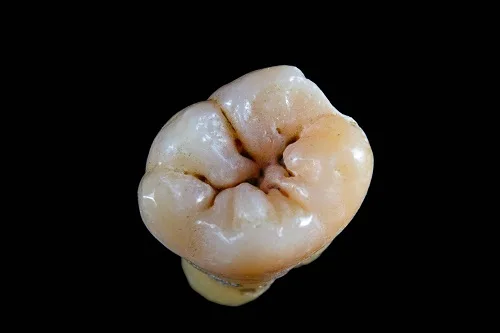
Tooth decay develops when bacteria in the mouth feed on sugars and starches, producing acids that weaken tooth enamel. The chewing surfaces of molars and premolars contain deep grooves where food particles and plaque can easily collect, making them difficult to clean with brushing alone. Even individuals with excellent oral hygiene may struggle to keep these areas completely free from bacteria. Preventive care focuses on protecting these vulnerable surfaces before cavities develop, helping maintain healthier smiles for years.
What Are Dental Sealants and How Do They Work?
Dental sealants are thin, protective coatings applied to the chewing surfaces of back teeth. Once placed, they flow into the tiny pits and grooves of the enamel, creating a smooth barrier that blocks food particles, plaque, and harmful bacteria. The material hardens quickly using a special curing light, forming a durable shield against decay. This simple preventive treatment supports natural tooth structure by reducing the risk of cavity formation in the areas most susceptible to damage.
The Science Behind Their Protective Barrier
Scientific research has consistently shown that sealing the deep grooves of molars significantly lowers the chances of developing cavities. Most tooth decay begins in these narrow spaces because toothbrush bristles cannot always reach every corner. By sealing these grooves, bacteria lose the protected environment needed to thrive and produce damaging acids. The barrier also makes teeth easier to clean during everyday brushing, allowing fluoride toothpaste to work more effectively on exposed enamel while reducing plaque accumulation.
Long-Term Benefits for Children and Adults
Although children benefit greatly because their newly erupted permanent molars are especially vulnerable, adults without fillings or existing decay in their molars can also benefit from sealants. Preventing cavities helps avoid more extensive dental treatments such as fillings, crowns, or root canal procedures in the future. Healthy natural teeth contribute to better chewing ability, improved comfort, and greater confidence. Investing in preventive care today often leads to fewer oral health concerns and lower treatment costs over time.
A Safe, Quick, and Comfortable Preventive Treatment
One reason sealants remain a popular preventive solution is the simplicity of the procedure. The tooth is cleaned, prepared with a gentle conditioning solution, rinsed, dried, and then coated with the protective material before it is hardened with a curing light. No drilling or injections are typically required, making the process comfortable for patients of all ages. Regular dental checkups ensure sealants remain intact and continue providing dependable protection against everyday wear and cavity-causing bacteria.
Supporting Lifelong Oral Health Through Prevention
Dental sealants work best as part of a complete preventive care routine that includes daily brushing with fluoride toothpaste, flossing, balanced nutrition, and regular dental visits. While they do not replace good oral hygiene, they provide valuable additional protection where teeth need it most. Choosing preventive treatments before problems arise helps preserve natural teeth, promotes healthier smiles, and reduces future dental concerns. With the support of modern dental science, sealants remain one of the most effective ways to prevent cavities and protect long-term oral health.