When guests walk into an event, the first thing they notice isn’t just the lighting or décor — it’s the ambience. And one of the most powerful yet often overlooked elements that shapes this atmosphere is drape design. Whether it’s a corporate conference, wedding, concert, or exhibition, the right use of event draping can completely transform a venue’s look, feel, and emotional impact.
In this blog, we’ll explore how set and drape design influences the mood of an event, and how choosing the right style, fabric, and color can help create unforgettable experiences.
1. Drape Design as a Visual Foundation
Drapes form the backdrop of an event’s visual identity. They define the space, hide structural flaws, and create a clean, professional canvas for lighting and décor.
For corporate events: Simple, elegant fabrics in neutral colors like white, grey, or black reflect sophistication and focus attention on the stage.
For weddings and galas: Flowing fabrics and soft textures create romance and grandeur.
For exhibitions and product launches: Branded colors and bold draping designs help reinforce brand identity.
Impact: Drapes set the tone of the event before any other design element does — whether it’s elegant, energetic, or minimal.
2. Using Fabric and Texture to Influence Emotion
The type of fabric used in draping plays a key role in how people feel in a space.
Velvet and velour: Add warmth, luxury, and depth — perfect for gala dinners and theatres.
Sheer fabrics like chiffon or voile: Create softness, movement, and openness — ideal for weddings or corporate receptions.
Satin or silk: Reflect light beautifully, enhancing glamour and sophistication.
Impact: Texture adds emotional depth — soft fabrics relax the mind, while heavier materials create richness and focus.
3. Color Psychology in Drape Design
Color has the power to shape perception instantly. The color of your drapes can change how attendees interpret the event’s mood and energy.
White and cream: Clean, open, and elegant — great for corporate and wedding events.
Red and gold: Convey excitement, power, and celebration — suitable for cultural or festive events.
Blue and green: Calm, trustworthy, and professional — ideal for conferences and exhibitions.
Black: Adds drama and focus, often used for concerts and performances.
Impact: Choosing the right color palette ensures your drape design complements your event’s purpose and audience.
4. Enhancing Lighting Effects with Drapes
Lighting and draping go hand-in-hand. Drapes are excellent surfaces for color washes, uplighting, and projections.
White or light-colored drapes reflect light effectively, allowing for creative color changes throughout the event.
Textured drapes interact with lighting to produce stunning visual depth.
Backlit drapes create glowing walls or dramatic silhouettes.
Impact: When lighting is planned with drape design in mind, it elevates ambience and visual impact.
5. Creating Functional and Aesthetic Zones
Drapes don’t just look beautiful — they also serve a functional purpose in space management.
Room dividers: Create VIP zones, lounges, or backstage areas without permanent structures.
Ceiling drapes: Add height and grandeur while improving acoustics.
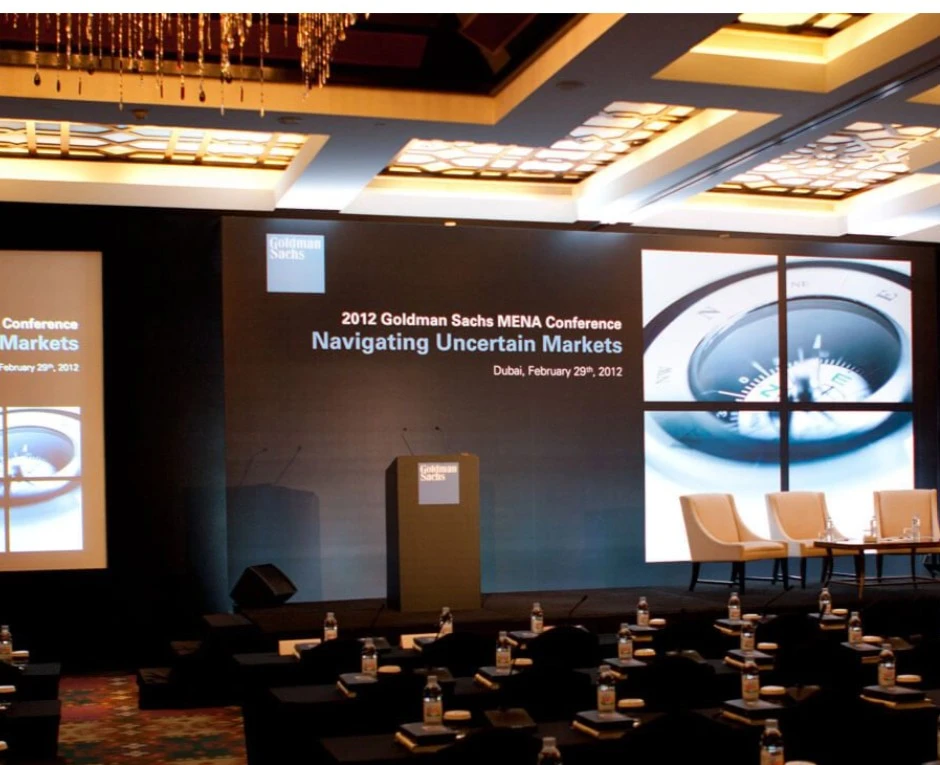
Stage backdrops: Provide focus for performances and presentations.
Impact: Drape design helps control flow, privacy, and focus — while maintaining elegance.
6. Custom Branding and Thematic Drapes
Event draping can also be an effective branding and storytelling tool.
Custom-printed drapes display logos, brand colors, or event themes.
Layered drapes in brand colors reinforce identity while adding texture.
Stage drapes with projection mapping create dynamic brand visuals.
Impact: The right drape design aligns with your event’s visual theme and strengthens brand presence.
7. Acoustic and Practical Benefits
Beyond aesthetics, drapes offer practical advantages that improve event quality.
Sound absorption: Heavy drapes minimize echo and improve audio clarity.
Temperature control: Drapes can help manage indoor temperature by reducing light and airflow.
Venue flexibility: Temporary draping allows quick transformation of large halls into intimate spaces.
Impact: Functional benefits make draping an essential part of AV and event design planning.
8. Working with Professional Draping Designers
Professional AV and stage design companies use drape systems strategically, considering lighting, safety, and installation logistics. They ensure that every fold, layer, and fabric selection contributes to both beauty and function.
Impact: Expert drape design delivers visual excellence and safety while meeting venue and technical requirements.
Conclusion
From grand stages to intimate gatherings, drape design is one of the most versatile and impactful tools in event décor. It influences how guests feel, how light interacts with space, and how brands express themselves.
By thoughtfully selecting fabrics, colors, and layouts — and integrating them with lighting and AV systems — event planners can create immersive environments that tell stories, inspire emotion, and leave lasting impressions.
Whether it’s a stunning stage backdrop, elegant entranceway, or full-room transformation, the right drape design truly sets the mood for success.