Ash trees are a vital part of urban and suburban landscapes in Australia and many parts of the world, valued for their shade, aesthetic appeal, and ecological contributions. However, these trees are increasingly under threat from pests and diseases, such as the emerald ash borer and fungal infections.
One of the most effective ways to protect ash trees from these threats is through tree injection treatments, a process that delivers essential nutrients or pesticides directly into a tree's vascular system. Central to this process are arborists, trained professionals who ensure that treatments are effective, safe, and minimally invasive.
Understanding Ash Tree Injection Treatments
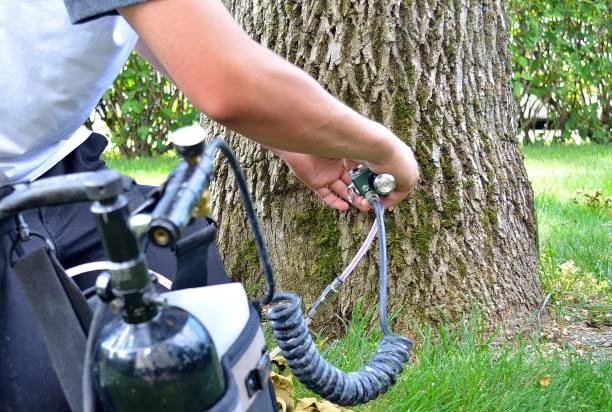
Ash tree injection treatments involve introducing a solution—such as a pesticide, fungicide, or nutrient mix—directly into the tree's xylem, the system responsible for transporting water and nutrients. This method has several advantages over traditional spraying or soil treatments:
- Precision Delivery – The chemical is delivered directly where it is needed, increasing efficacy.
- Environmental Safety – Reduces chemical runoff and minimizes harm to surrounding plants and soil.
- Tree Health – Limits exposure to foliage, preserving photosynthesis and overall tree vitality.
- Long-Lasting Protection – Many injections protect for months or even years.
Common tree injection treatments for ash trees include pesticides to combat insect infestations, particularly the emerald ash borer, and systemic fungicides to prevent or manage fungal diseases like ash dieback.
Why Arborists Are Crucial for Injection Treatments
Arborists are not just tree climbers—they are trained experts in tree biology, health assessment, and safe treatment application. Their role in ash tree injection treatments is multifaceted:
1. Assessing Tree Health
Before any injection, an arborist performs a thorough assessment of the tree. This includes:
- Inspecting the trunk, branches, and foliage for signs of stress, disease, or pest infestation.
- Identifying structural weaknesses, such as cracks or cavities, that could be aggravated by injections.
- Analyzing soil conditions and the tree's nutrient status to determine whether supplemental injections are necessary.
This evaluation ensures that only trees capable of benefiting from the treatment receive it, maximizing success rates.
2. Selecting the Right Treatment
Not all ash trees require the same treatment, and not all chemicals are suitable for every situation. Arborists use their expertise to:
- Choose the appropriate pesticide or nutrient solution based on the specific pest or disease threat.
- Determine the correct dosage for the tree’s size, age, and health status.
- Plan the treatment schedule to align with seasonal tree activity, maximizing absorption and effectiveness.
3. Ensuring Proper Injection Technique
Tree injection is a skilled procedure. Arborists ensure that injections are applied:
- At the right height and location on the trunk to maximize distribution throughout the tree’s vascular system.
- Using specialized equipment, such as pressurized injectors or increment borer devices, to deliver the solution efficiently.
- Minimally invasive, reducing damage to the bark and xylem while preventing entry points for future pathogens.
Proper technique prevents over- or under-treatment, which can compromise the tree’s health or waste resources.
4. Monitoring Post-Treatment Health
Injection treatments are not a one-time solution. Arborists often provide follow-up services to:
- Monitor the tree for signs of recovery or continued stress.
- Check for new pest infestations or disease symptoms.
- Determine if additional treatments are needed, ensuring long-term protection and vitality.
Ongoing monitoring allows early intervention if the initial treatment is insufficient or if new threats emerge.
Benefits of Using Professional Arborists
Engaging trained arborists for ash tree injection treatments provides several key benefits:
Expertise and Knowledge
Arborists have specialized knowledge of tree physiology, pest behavior, and disease pathology, allowing them to make informed decisions about treatments. Their expertise reduces the risk of harm to trees and increases the likelihood of successful intervention.
Safety for Trees and People
Tree injections involve pressurized chemicals, which can be hazardous if misused. Arborists are trained in safe handling, storage, and application, protecting both the tree and the surrounding environment, including humans and pets.
Cost-Effectiveness
While hiring an arborist may seem more expensive initially, professional treatments are more effective and longer-lasting than DIY methods. Proper treatment reduces the need for repeated interventions and lowers the risk of tree loss, saving money in the long term.
Preservation of Urban Forests
Ash trees often form part of streetscapes, parks, and school grounds. Arborists help maintain the health and longevity of these trees, contributing to urban canopy cover, biodiversity, and community well-being.
Common Scenarios for Ash Tree Injection Treatments
Arborists typically recommend injection treatments for:
- Pest Infestations – Targeting insects like the emerald ash borer or lace bugs that bore into wood and damage foliage.
- Fungal Diseases – Treating diseases such as ash dieback, which can cause branch dieback and structural weakness.
- Nutrient Deficiencies – Delivering iron, nitrogen, or other essential nutrients to trees showing signs of chlorosis or poor growth.
- Preventive Care – Applying systemic treatments before pest or disease outbreaks as part of a proactive tree management strategy.
Each scenario requires careful planning and execution to ensure that the tree receives the correct treatment at the right time.
How to Choose the Right Arborist
When seeking ash tree injection services, consider these factors:
- Certification and Credentials – Look for certified arborists with experience in tree injection treatments.
- Experience with Ash Trees – Specific knowledge of ash species and common threats improves treatment outcomes.
- Equipment and Technology – Modern injection tools and safe chemicals ensure effective and minimally invasive treatments.
- Reputation and References – Check client reviews, case studies, or recommendations from schools and municipalities.
- Follow-Up Support – Ensure the arborist provides post-treatment monitoring and guidance.
Choosing the right professional ensures that your ash trees receive the best possible care.
Conclusion
Ash trees are an important part of the landscape, providing shade, beauty, and ecological benefits. However, threats from pests and diseases require proactive management to maintain tree health. Arborists play a critical role in ash tree injection treatments, from assessing tree health and selecting appropriate chemicals to applying precise injections and monitoring post-treatment recovery.
By relying on professional arborists, schools, municipalities, and property owners can protect their ash trees, extend their lifespan, and preserve the urban forest. Effective ash tree injection treatments safeguard not only individual trees but also the communities and ecosystems that depend on them.