

In the rapidly evolving landscape of modern society, video surveillance system have become an indispensable component of public safety, private security, and organizational efficiency. Once limited to high-security areas and government institutions, surveillance technology is now embedded in nearly every facet of daily life—from residential neighborhoods and commercial establishments to public transportation and urban infrastructures.
Evolution of Surveillance Technology
The concept of surveillance dates back centuries, but the integration of video technology has revolutionized its application. Early analog systems, characterized by grainy footage and limited storage, have given way to advanced digital systems capable of high-definition recording, real-time monitoring, and remote access.
A Tool for Crime Prevention and Law Enforcement
One of the most significant impacts of video surveillance is in crime prevention and law enforcement. Surveillance cameras serve as a powerful deterrent against criminal activities, including theft, vandalism, and assault. Criminals are less likely to commit offenses when they know they are being watched. When crimes do occur, recorded footage provides crucial evidence that aids in investigations, arrests, and legal proceedings.
Cities around the world have adopted large-scale public surveillance networks as part of smart city initiatives. Police departments also use body-worn cameras to promote transparency and accountability in their interactions with the public, a practice that has gained increased importance in recent years.
Enhancing Public and Private Sector Operations
Beyond security, video surveillance plays a critical role in operational efficiency for both public and private sectors. In retail, it helps prevent shoplifting and employee theft, while also providing valuable insights into customer behavior that can inform marketing and store layout decisions.
Transportation systems utilize surveillance to monitor traffic flow, enforce regulations, and manage incidents in real time. Educational institutions use it to enhance campus security and deter misconduct, while healthcare facilities monitor patient safety and ensure staff compliance with hygiene and care standards.
Ethical and Privacy Considerations
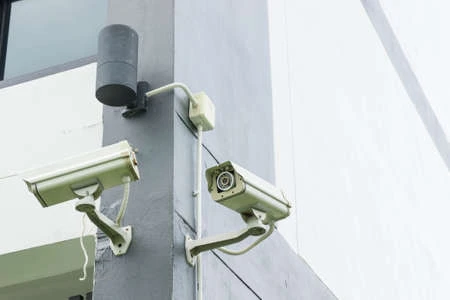
While the benefits of video surveillance are substantial, they are not without controversy. The widespread deployment of cameras raises significant concerns regarding ethics and privacy. Citizens often question the extent to which surveillance intrudes upon personal freedoms and civil liberties.
To address these concerns, governments and organizations must implement transparent policies that define the scope, purpose, and limitations of surveillance practices. Data protection laws and regulations, such as the General Data Protection Regulation (GDPR) in the European Union, are crucial in ensuring that surveillance data is collected, stored, and used responsibly.
Conclusion
Video surveillance system have undeniably become a vital aspect of modern society. They serve as powerful tools for enhancing security, supporting law enforcement, and improving operational efficiency across various sectors. However, as the use of this technology grows, so does the responsibility to manage it ethically and transparently. Striking the right balance between safety and privacy will determine how effectively society can harness the benefits of surveillance while maintaining trust and civil liberties. As technology continues to advance, so too must our conversations and policies around its use—ensuring it remains a force for good in an increasingly complex world.