
Work Has Found a New Home!
The idea of “going to work” has changed more in recent years than in recent decades. Once, offices were fixed places with cubicles and clocks. Today, they’re living ecosystems filled with creativity, conversation, and community. Professionals now crave flexibility, inspiration, and human connection — qualities shared office spaces deliver efficiently.
Across industries, freelancers, startups, and global teams are leaving behind the rigidity of long-term leases and choosing coworking spaces that give them control over where and how they work. The growing freelance economy, remote flexibility, and hybrid schedules have made this shift more than a passing phase; but a redefinition of what “productive” feels like.
Recent insights show the global market for shared office spaces is expanding rapidly, driven by technology, changing lifestyles, and the freedom people find when they choose their own rhythm of work. From freelancers brainstorming beside founders to consultants hosting clients in community lounges, work today feels lighter, more collaborative, and more purposeful.
And that’s the beauty of this new way to work — it’s not just about saving on rent or coffee refills. It’s about finding a professional home that grows with you, adapts to you, and connects you with people who understand your drive.
This shift sets the stage for a deeper look into how collaboration, comfort, and community redefine modern work culture, one shared desk at a time.
The Evolution of Work from Isolation to Interaction
Work used to mean walls. Now, it means people. The modern workforce has evolved from isolated offices to vibrant, connected environments where ideas move faster than memos ever did. The growth of coworking spaces reflects this change perfectly — they’ve become the physical expression of flexibility, creativity, and balance.
Millions of professionals worldwide have turned to shared office spaces in just a few years, seeking convenience and connection. Global reports show that the demand for flexible workplaces grows steadily yearly, with hybrid models quickly becoming the norm. What started as an alternative for freelancers has become a mainstream choice for small businesses, remote teams, and large enterprises.
India’s adoption has been especially remarkable. Cities once defined by traditional office buildings are now home to bustling communities of professionals sharing resources, networking, and collaborating under one roof. This evolution is not just economic — it’s cultural. People want to feel part of something bigger while still being free to work on their own terms.
In these dynamic environments, the value of connection outweighs competition. You find people exchanging ideas over coffee, startups collaborating across industries, and freelancers building relationships that often lead to long-term partnerships.
The result is a new rhythm of work that thrives on trust, collaboration, and shared ambition. And as the world embraces this rhythm, the energy inside coworking spaces continues to grow stronger, setting the tone for what the modern workplace truly means.
Inside a Shared Office – What Really Happens Here
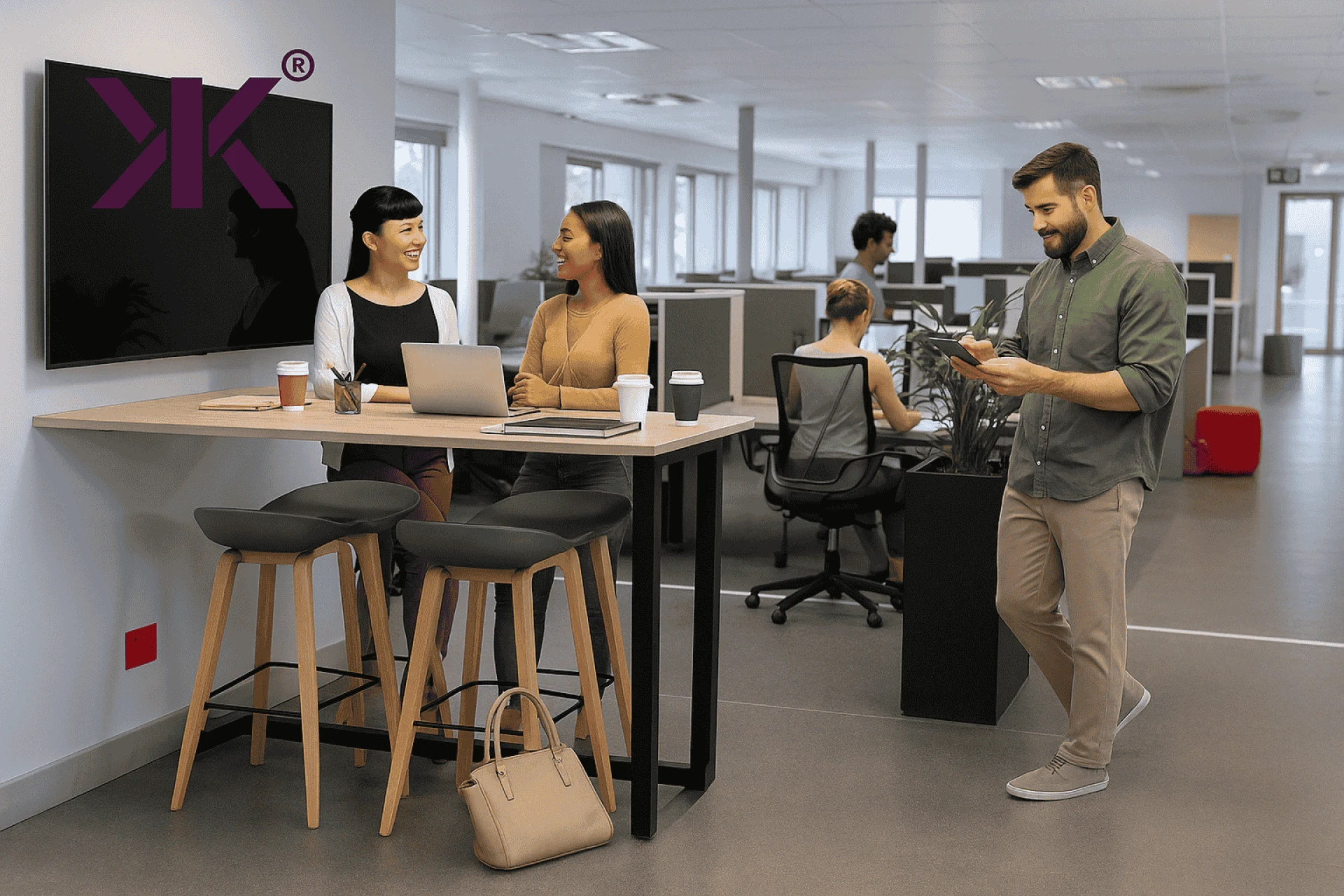
Walk into any coworking space on a weekday morning and instantly feel the quiet buzz of purpose. Some people are deep in their laptops, others are sharing ideas over a coffee, and someone’s always closing a deal in a meeting room nearby. It’s work, but it feels alive.
The blend of structure and spontaneity makes shared office spaces so unique. You get the order of a professional environment with the freedom to move, connect, and create. From shared desks and private cabins to meeting zones and lounge corners, each space is designed to make work effortless and comfortable. Natural light, ergonomic furniture, and thoughtful design details don’t just decorate the place; they shape how people feel when they walk in.
But what really sets these spaces apart is the human energy. You might find a designer helping a marketer with a quick brainstorm or a tech founder exchanging tips with a freelancer. Every day brings new faces and fresh perspectives — creativity multiplies in that mix.
Beyond the visible activity, coworking spaces also host workshops, community lunches, and networking sessions that inspire members. These aren’t just events but opportunities to learn and grow together.
Shared office spaces transform routine work into something more meaningful by creating a professional yet personal environment. They remind us that productivity isn’t about how many hours you sit — it’s about how inspired you feel while doing it.
And that inspiration keeps people coming back, ready for the next idea.
Why Shared Workspaces Work Better Than Traditional Offices
Traditional offices often feel like static boxes — fixed rent, desks, and routines. Coworking spaces, on the other hand, move with you. They grow when you grow and give you flexibility when you need it most.
Cost is a significant reason for the shift. Businesses using shared office spaces save up to half their operational expenses since rent, internet, utilities, and amenities are bundled together. There’s no long-term lock-in, no heavy security deposit, and no endless maintenance costs. This can mean the difference between surviving and scaling for startups and small teams.
But the benefits go beyond numbers. These spaces offer ready-to-use, ergonomic setups that support productivity and mental well-being. Teams can book rooms, change layouts, or expand seating in days. Flexibility fuels motivation — and when people feel comfortable, they perform better.
In India, this trend is growing faster than ever. The coworking market has seen a sharp year-on-year rise as more companies trade conventional leases for flexible alternatives. The savings are significant, but so are the human gains — less stress, more freedom, and a sense of community that traditional offices rarely provide.
When you add it all up, coworking spaces aren’t just an economical choice; they’re smarter. They let businesses focus on what truly matters — their people and their purpose.
And as work evolves, this flexibility becomes the foundation of modern success.
Community Over Competition – The Hidden Strength of Coworking
Workplaces thrive when people do. That’s why the community-centric nature of coworking spaces has become their strongest pillar. They’re built not just for productivity but for people.
In a time when burnout and workplace stress are alarmingly high, supportive communities can make all the difference. Research shows that nearly three-quarters of employees feel burnt out at least occasionally, and those in isolating or rigid work setups are the most affected. Collaborative environments like shared office spaces reduce that sense of isolation by creating daily opportunities for connection, conversation, and shared energy.
The benefits ripple outward — stronger relationships, higher engagement, and lower absenteeism. Motivation naturally follows when professionals work near others who share their goals and values. Coworking encourages spontaneous mentorship, peer learning, and problem-solving across industries, often leading to new partnerships or business ideas that wouldn’t exist elsewhere.
It’s more than a workspace; it’s a living ecosystem. People celebrate milestones together, share small wins, and exchange stories that turn work into something far richer than a checklist of tasks.
Because of this, community is the unseen force behind coworking spaces' success. People do better when they feel supported. When they feel seen, they remain longer. The end effect is a culture that prioritizes cooperation over rivalry—a change that every contemporary professional now aspires to.
This sense of shared purpose connects directly to what’s happening in cities like Ahmedabad, where community-driven work cultures are shaping a new wave of progress.
Ahmedabad’s Rising Coworking Culture
Ahmedabad has always been a city of enterprise, but now it’s becoming a city of creative collaboration. Over the past few years, many startups and small businesses have skyrocketed, fueling demand for coworking spaces that combine affordability, technology, and flexibility.
Today, hundreds of emerging ventures call shared office spaces their base. Flexible contracts, lower deposits, and premium amenities have made them the go-to choice for entrepreneurs who want the freedom to grow without the burden of fixed leases. The affordability advantage is striking — monthly costs for coworking memberships often fall between a fraction of what traditional office spaces require.
The appeal doesn’t stop at cost. These days, a lot of these areas incorporate smart energy systems, sustainability elements, and AI-based operations to make teams function more efficiently. This trend is promoted by government programs that support entrepreneurship. Thereby, resulting in a thriving ecosystem where ideas can flourish.
Ahmedabad’s professionals, from designers and consultants to IT firms, embrace this model because it mirrors the city’s evolving mindset — ambitious, adaptable, and forward-looking.
The rise of coworking spaces in emerging cities proves innovation isn’t confined to metros. Talent finds its place wherever collaboration feels natural.
As local entrepreneurs build new ventures and global teams seek regional bases, flexible work environments anchor Ahmedabad’s identity as a hub of modern business and creativity.
The Future of Work Is Already Here!
Work has escaped the boundaries of geography. With remote and hybrid setups becoming the norm, professionals are redefining what “office” means. As the link between structure and flexibility in this environment, shared office spaces are particularly noteworthy.
Without the limitations of conventional leases, they provide the convenience of a physical basis. Workplaces that seem productive and human are created by combining technology, creative design, and community experiences. This combination is why more companies are adopting flexible workspace strategies for their teams — it helps them stay agile and attract top talent.
As work evolves, the demand for coworking spaces will only grow stronger. These spaces represent a shift in mindset — from owning to sharing, from working alone to working together. They embody the values modern professionals care about:- flexibility, connection, and purpose.
The future of work is not only about where we sit; but also about how we think, collaborate, and create value. And as this transformation accelerates, the workplace becomes a partner in our growth journey.
From freelancers to founders, the message is clear: productivity no longer belongs to buildings, it belongs to people.
That realisation leads us to one final question — what kind of space do you want to work in tomorrow?
Finding Your Place in the New World of Work
People's attitudes toward work are also shifting as a result of the trend toward coworking and shared office spaces. These settings provide professionals with a sense of autonomy, identity, and connection that typical workplaces seldom provide.
As more individuals and companies experience the comfort of flexibility, the benefits become undeniable — better collaboration, reduced costs, and improved well-being. The workplace is no longer a fixed location but an experience that adapts to your goals and grows with your ambition.
This new way of working is here to stay. It invites professionals to rethink their relationship with space, community, and creativity.
If you’ve ever wanted to work somewhere that makes you feel inspired, supported, and productive, maybe it’s time to step into a new kind of office.
Visit a local coworking space, grab a coffee, and feel the energy for yourself. The future of work isn’t waiting — it’s already here, ready when you are.