As we race toward 2026, the way fans consume sports is changing right before our eyes. Gone are the days when viewers were perfectly happy tied to their cable boxes. Today, the game is all about direct-to-consumer digital platforms. But with this massive shift comes an equally massive expectation: fans want to see the action exactly as it happens, without any exceptions.
The End of the "Spoiler" Era
Think about watching a crucial championship match. You are glued to your screen, completely invested, when suddenly your phone buzzes with a notification about a game-changing play. You look up at your TV, but your feed is still ten seconds behind. That delay doesn't just ruin the surprise—it ruins the emotional peak of the event.
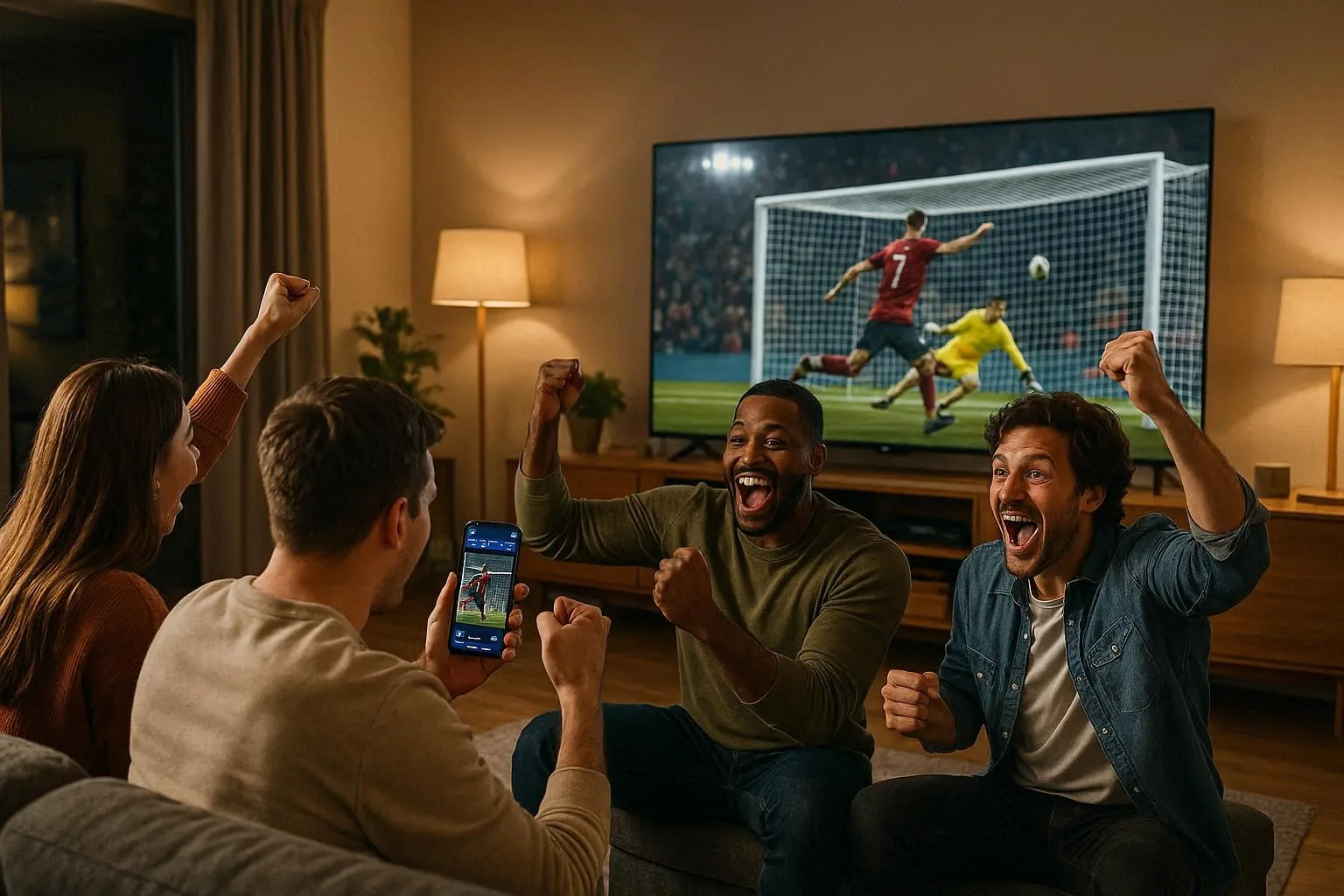
Modern sports enthusiasts demand real-time engagement. They want to celebrate the winning goal at the exact moment it hits the back of the net, not after their neighbors are already cheering. In a world where the second-screen experience is the norm—with fans simultaneously checking stats, chatting with friends, and posting on social media—broadcasters can no longer afford to be left behind.
Why Sub-Second Delivery is the New Standard
This is where speed becomes your greatest asset. To keep fans locked in and emotionally invested, broadcasters are rapidly adopting ultra low latency video streaming. By shrinking the gap between the live event on the field and the screen on your viewer's device to mere milliseconds, you create a shared, authentic experience.
Thanks to advancements in edge computing, 5G networks, and modern delivery protocols like WebRTC, sub-second delivery is now a reality for platforms of all sizes. Whether your audience is watching on a smart TV, a tablet, or a smartphone, instant delivery ensures that every penalty, touchdown, and knockout is experienced in perfect sync. It also opens the door for highly interactive features, such as live polls, in-play betting, and real-time stat overlays, keeping the audience deeply engaged from the opening whistle to the final buzzer.
Turning Passion into Profit
Delivering a flawless, real-time viewing experience is a massive win, but it is only half the battle. You still need to turn that passion and viewership into a sustainable, growing business. For rights holders, independent leagues, and niche sports networks, finding the right way to monetize live sports streaming is critical to long-term survival.
The most successful platforms in 2026 are utilizing highly flexible paywall strategies. For instance, you might offer a pay-per-view pass for a highly anticipated rivalry match, while providing a seasonal subscription tier for die-hard fans who never want to miss a game. By mixing subscription models with targeted, server-side ad insertions, you can build a diversified revenue engine that caters to every type of viewer. Combine this with robust digital rights management (DRM) to protect your premium content from piracy, and you have a profitable, secure ecosystem.
Future-Proofing Your Sports Network
As we look deeper into 2026 and beyond, the sports broadcasting landscape will only grow more competitive. Fans will continue to raise the bar for both quality and immediacy. By investing in instant, lag-free delivery and pairing it with smart, flexible revenue tools, you are doing more than just keeping up with the times. You are building a loyal, paying community that will stick with your platform for seasons to come.