When people think about the costliest room in their home, they typically picture either a luxurious master bedroom or an upscale kitchen. Yet the reality is far more nuanced. The most expensive room in your home might not be measured by its initial construction cost but rather by the long-term financial impact it has on your household budget. Understanding which room truly drains your finances can help you make smarter decisions about maintenance, upgrades, and daily operations.
1. Why Bathrooms Cost More Than You Realize
Bathrooms are often overlooked when homeowners calculate their total housing expenses, but they represent one of the most costly spaces to build, maintain, and repair. A single bathroom renovation can easily exceed $10,000 to $15,000, depending on the scope of work and materials chosen. Beyond the initial remodeling costs, bathrooms present unique challenges because they contain plumbing, electrical systems, and constant moisture exposure that other rooms do not. This combination creates compounding conditions for expensive repairs.
Water damage in bathrooms can spiral quickly into costly problems. A slow leak behind a wall, a failing grout seal, or a malfunctioning exhaust fan can lead to mold growth, structural damage, and the need for significant remediation work. For example, a hidden leak that goes undetected for months might require replacing sections of drywall, subflooring, and insulation, turning a minor plumbing issue into a project costing thousands of dollars. Plumbing emergencies are particularly expensive because they often require immediate professional intervention, and bathrooms typically contain more plumbing fixtures than any other room in the home.
2. The Hidden Costs of Your HVAC System
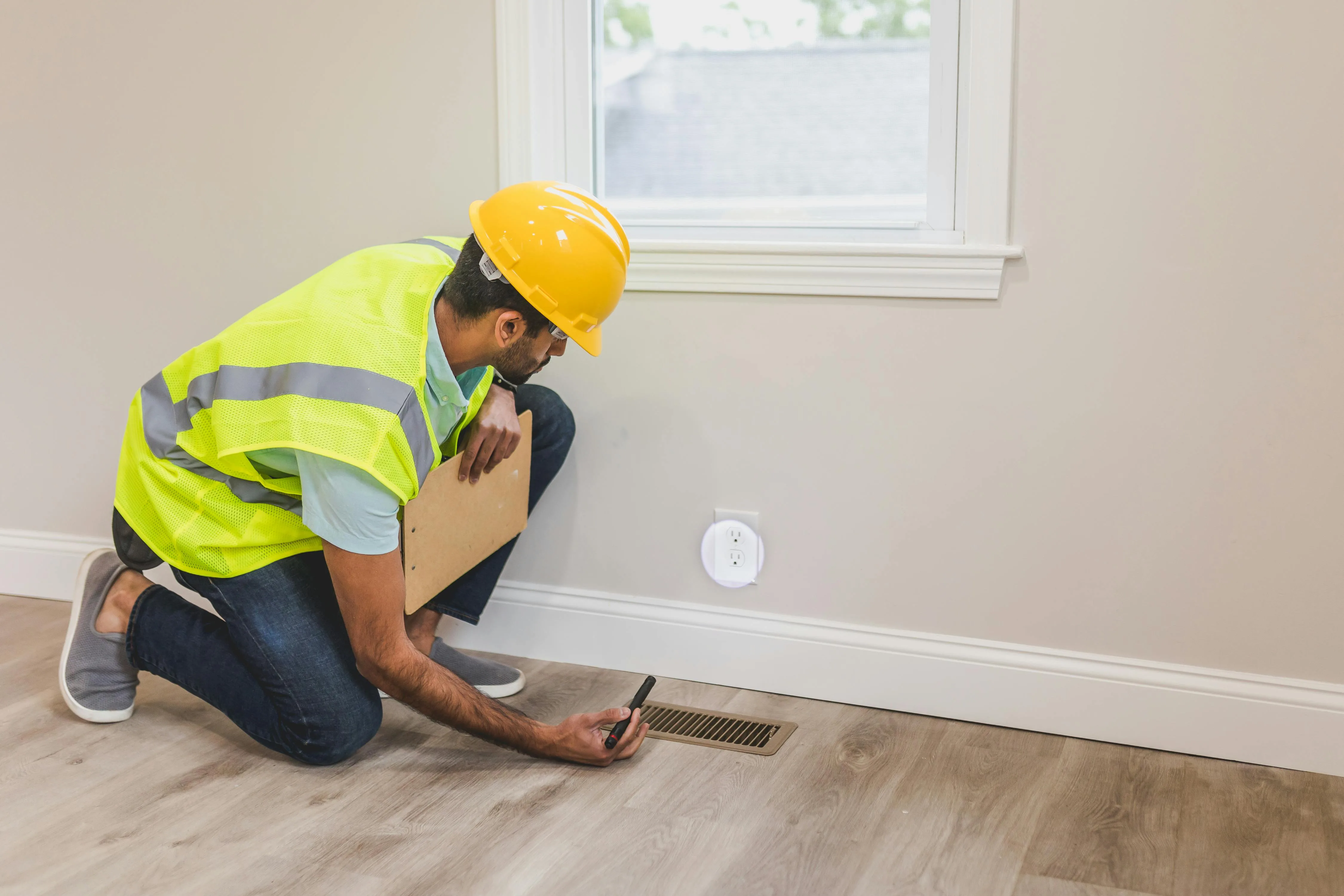
Your heating, ventilation, and air conditioning system is often located in basements, attics, or utility closets, making it easy to forget about until something goes wrong. However, HVAC systems are among the most expensive appliances in any home. A complete system replacement can cost between $5,000 and $10,000 or more, depending on the size of your home and the efficiency level you choose. Beyond replacement costs, these systems demand regular maintenance to function efficiently and prevent emergency repairs.
When an HVAC system fails during extreme weather, you face not only the cost of repairs or replacement but also the immediate discomfort of living without heating or cooling. Emergency service calls often come with premium pricing, and you may need temporary solutions like portable units or hotel stays while repairs are underway. The financial impact extends beyond the immediate fix because a poorly maintained HVAC system uses significantly more energy to heat and cool your home. This means utility bills climb throughout the year, adding hundreds or even thousands of dollars to annual expenses. Over a decade, the combined cost of maintenance, repairs, energy inefficiency, and eventual replacement can easily exceed the cost of many other rooms in your home.
3. Kitchens Generate Surprising Ongoing Expenses
While kitchens often command high renovation budgets, the true cost extends far beyond the initial remodel. Kitchens contain multiple appliances, plumbing connections, gas lines, and electrical systems that all require maintenance and eventual replacement. A high-end refrigerator, dishwasher, range, or microwave can each cost $1,000 to $3,000 or more, and these appliances typically last ten to fifteen years before needing replacement. When planning a kitchen renovation, Boulder architects help homeowners design layouts that account for long-term appliance access, ventilation, and utility efficiency, reducing the likelihood of costly rework down the road.
The kitchen is also where water damage frequently originates in homes. Leaking faucets, damaged supply lines under the sink, or issues with dishwasher connections can lead to significant water damage affecting not only the kitchen but also adjacent rooms and the structure below. Unlike a bathroom where water damage is somewhat anticipated and homes are designed with some moisture tolerance, kitchen water damage often goes unnoticed because people assume the occasional drip or dampness is normal. For example, a slow leak from a refrigerator's ice maker line can gradually soak into cabinetry and flooring for months before the damage becomes visible. By that time, the cost to replace rotted wood, treat mold, and repair structural elements can far exceed the cost of the original appliance.
4. Basements and Crawl Spaces: The Expensive Surprises
Basements and crawl spaces are often considered unfinished utility areas rather than true rooms, but they can be extraordinarily expensive to maintain and repair. Foundation issues, water intrusion, and mold are common problems in these spaces, and addressing them requires specialized expertise and significant investment. Waterproofing a basement can cost $3,000 to $10,000 depending on the extent of the problem and the methods used. What starts as minor moisture seeping through a crack in the foundation can develop into serious structural problems, mold infestations, and damage to the home's overall structural integrity. Mold remediation alone can cost thousands of dollars, and if the mold has spread extensively, it may require professional cleanup crews and temporary relocation of the household. Foundation repairs are among the most expensive home maintenance issues a homeowner can face, with costs ranging from $10,000 to $50,000 or more for serious structural problems, and the complexity of accessing these areas means most homeowners must hire specialized contractors.
5. The Laundry Room's Deceptive Price Tag
Laundry rooms might seem like straightforward utility spaces, but they can generate substantial expenses over time. Washers and dryers are costly appliances that require significant water and energy consumption with each load, and a quality combination can cost $1,500 to $3,000 initially. Beyond the appliances themselves, laundry rooms depend on plumbing and electrical infrastructure that can develop problems, and dryer vents can become clogged, creating fire hazards and reducing efficiency. Washing machines can leak water, and these leaks often go undetected because laundry rooms are frequently located away from main living areas, allowing water to seep into adjacent walls and flooring before the damage is noticed. Additionally, the constant moisture from laundry activities can promote mold growth if ventilation is inadequate, leading to health concerns and expensive remediation that extends well beyond the room itself.
Conclusion
Determining the most expensive room in your home requires looking beyond the initial purchase price or renovation cost. Instead, consider the long-term financial impact of maintenance, repairs, utility consumption, and the potential for water damage or other issues that compound over time. Bathrooms, HVAC systems, kitchens, basements, and laundry rooms each present unique financial challenges that can easily accumulate to thousands of dollars annually or tens of thousands over the life of your home. By understanding which spaces drain your household budget, you can prioritize preventive maintenance, schedule regular inspections, and make informed decisions about when to upgrade or replace systems and appliances. Recognizing the true cost of each room in your home empowers you to manage your finances more effectively and avoid the shock of unexpected major repairs.