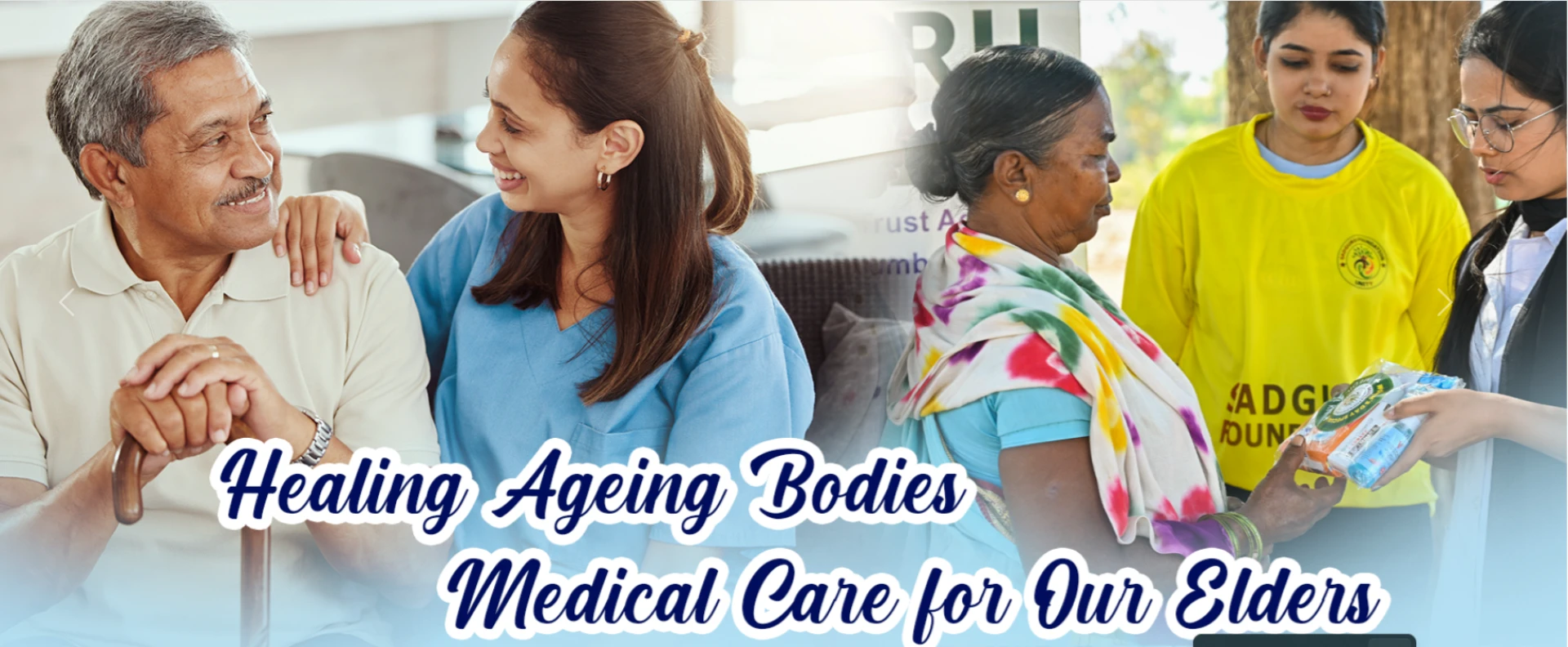
Access to healthcare remains a challenge for many communities, and the role of a medical NGO has become increasingly vital in closing this gap. These organizations work beyond traditional systems to deliver treatment, awareness, and support to people who often go unnoticed. Their service-driven approach highlights human welfare above commercial interests, making them an indispensable force in public health improvement.
Bridging Healthcare Inequality
Many remote and underserved regions struggle with poor infrastructure and limited access to doctors. Grassroots medical organizations step in to provide essential services such as health camps, mobile clinics, emergency assistance, and medicines. These efforts help people who otherwise would suffer silently due to lack of timely care.
Their focus lies not only on curing illness but also on educating communities about disease prevention, hygiene, nutrition, and maternal health. This proactive approach gradually builds healthier societies with greater awareness.
Essential Services Provided
These healthcare-focused groups typically deliver a wide range of support services:
- Primary Care: Basic diagnosis, treatment, and first-aid support
- Public Health Programs: Immunization, malnutrition screening, and maternal-child health initiatives
- Awareness Drives: Workshops on sanitation, hygiene, and preventive healthcare
- Support During Emergencies: Assistance during natural disasters or public health crises
By combining medical expertise with community outreach, they become trusted partners in public health systems.
Strengthening Community Health
Communities that lack financial security often ignore health issues until they become severe. Local intervention programs encourage early treatment and regular check-ups, helping reduce mortality rates, chronic diseases, and complications related to delayed care.
These groups also collaborate with volunteers, health workers, and local authorities to reach more people and make their initiatives sustainable.
Focus on Preventive Care
Prevention remains the cornerstone of public health improvement. Awareness campaigns about cleanliness, disease prevention, safe drinking water, and nutritious food educate families to take responsibility for their health. This lowers the burden on hospitals and reduces avoidable sickness.
Improving Accessibility and Equity
Healthcare inequality often arises due to financial, geographical, or social barriers. These organizations bring services closer to remote regions through medical camps and outreach teams. Their grassroots presence ensures even the most marginalized individuals—such as children, elderly people, and women—receive timely care.
The Way Forward
As global health challenges evolve, community-focused healthcare efforts must continue expanding. Strengthening volunteer participation, improving funding accessibility, and integrating digital health tools can make services more efficient.
Future priorities may include:
- Telemedicine consultations for remote areas
- Training local health volunteers to sustain services
- More awareness campaigns on lifestyle disorders and mental health
Conclusion
The presence of community-based healthcare organizations plays an invaluable role in uplifting public health standards. Their dedication to prevention, treatment, and education empowers society with knowledge and access. In the years ahead, their continued expansion and innovation will remain essential to achieving a healthier and more inclusive future.