Introduction
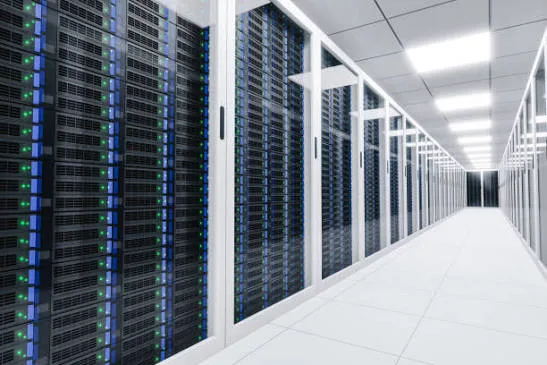
Data centres are the backbone of the modern digital economy. From cloud computing and artificial intelligence (AI) to online banking, e-commerce, and enterprise applications, almost every digital service depends on reliable data centre infrastructure. As organisations generate and process increasing volumes of data, the demand for efficient, secure, and uninterrupted data centre operations continues to grow.
However, maintaining a modern data centre is becoming more complex. Facilities contain thousands of interconnected components, including servers, storage systems, networking equipment, cooling units, power distribution systems, and backup infrastructure. Even a minor maintenance error can affect performance, increase operational costs, or contribute to service disruptions.
Traditional maintenance practices often rely on paper-based procedures, handheld devices, phone calls, and the physical presence of experienced specialists. Although these methods remain useful, they can slow down troubleshooting, create communication challenges, and make it difficult for technicians to access accurate information while working.
This is where hands-free augmented reality (AR) technology is changing the way maintenance teams operate.
By combining smart glasses, real-time visual information, remote expert assistance, and digital work instructions, hands-free AR helps technicians perform complex tasks while keeping their hands available for the job. As data centre infrastructure becomes more sophisticated, this technology could play an increasingly important role in improving maintenance efficiency, supporting technicians, and reducing operational risks.
Let's explore how hands-free AR is shaping the future of data centre maintenance and what organisations should consider when adopting it.
1. Understanding the Challenges of Modern Data Centre Maintenance
Data centre maintenance involves much more than replacing faulty hardware. Technicians must monitor environmental conditions, inspect equipment, maintain cooling systems, verify power supplies, manage cabling, and follow strict procedures to protect sensitive infrastructure.
Several challenges make these responsibilities increasingly demanding.
Complex Infrastructure
Modern data centres contain dense server racks, intricate cable networks, redundant power systems, and specialised cooling equipment. Identifying the correct component or tracing a particular cable can be difficult, especially in large facilities with similar-looking equipment.
Technicians must often consult diagrams, equipment labels, digital records, and maintenance manuals before carrying out a task. Switching between these resources and the equipment itself can interrupt workflows.
Pressure to Minimise Downtime
Data centres support services that businesses and consumers depend on around the clock. Maintenance activities must therefore be carefully planned to avoid disrupting critical operations.
Unexpected equipment failures can create additional pressure. Technicians need to diagnose problems quickly, identify the correct solution, and follow established procedures without compromising safety or reliability.
Shortage of Experienced Technicians
Data centre environments require a combination of electrical, mechanical, networking, cooling, and IT knowledge. Finding technicians with the right mix of skills can be challenging.
Experienced employees also hold valuable knowledge about facility-specific equipment and troubleshooting procedures. When these employees retire or leave, organisations risk losing expertise that may not be fully documented.
Documentation and Communication Gaps
Paper checklists, separate maintenance applications, and lengthy instruction manuals can make information difficult to access at the point of work.
When a technician encounters an unfamiliar fault, contacting a specialist may involve several calls, photographs, or explanations. These delays can extend troubleshooting time and increase the workload for already stretched maintenance teams.
Hands-free AR offers a way to address many of these challenges by bringing relevant information directly into the technician's field of view.
2. What Is Hands-Free AR Technology?
Augmented reality enhances a person's view of the real world with digital information. Unlike virtual reality, which typically immerses users in a completely digital environment, AR allows technicians to continue seeing and interacting with their physical surroundings.
Hands-free AR uses wearable devices, such as industrial smart glasses, to display digital instructions, diagrams, labels, and other relevant information without requiring technicians to hold a phone or tablet.
Depending on the device and software, these systems can also support voice commands, camera-based video calls, image capture, and remote collaboration.
For data centre maintenance, this means a technician can inspect a server rack while viewing the relevant procedure, communicate with a remote specialist, or document completed work without repeatedly putting down tools to operate another device.
For example, imagine a technician investigating a cooling alarm in a data centre. Instead of walking back to a workstation to retrieve a maintenance guide, the technician could access troubleshooting instructions through smart glasses. If the problem requires additional expertise, a remote engineer could join a live video session and guide the inspection.
The technician remains focused on the equipment while receiving assistance in real time.
This combination of hands-free access, visual guidance, and remote collaboration makes AR a promising tool for data centre operations.
3. Real-Time Remote Expert Assistance
One of the most valuable applications of hands-free AR is remote expert support.
Data centre maintenance teams may encounter problems that require specialised knowledge. However, the appropriate expert may be located at another facility, working from home, or supporting several sites simultaneously.
Traditional remote assistance often depends on phone conversations, photographs, and video calls made through handheld devices. These approaches can make it difficult to explain exactly which component needs attention.
Hands-free AR provides a more direct way to collaborate.
Using smart glasses, a technician can share a live view of the equipment with a remote specialist. The expert can observe the situation, ask questions, and provide instructions while the technician continues working.
Depending on the AR platform, the specialist may also be able to highlight components, add visual annotations, or guide the technician towards a particular connection or inspection point.
For example, if a technician encounters an unfamiliar power distribution unit, a remote electrical specialist could guide them through the approved inspection procedure. The specialist can see what the technician sees and provide clearer instructions than a conventional voice call alone.
This approach can reduce unnecessary travel, improve access to specialised expertise, and help teams resolve certain maintenance issues more efficiently.
It also allows organisations to extend the knowledge of experienced engineers across multiple facilities without requiring those specialists to be physically present at every site.
4. Step-by-Step Digital Work Instructions
Data centre maintenance frequently involves procedures that must be completed in a specific sequence. These can include replacing components, inspecting cooling equipment, checking connections, and performing routine preventive maintenance.
Missing a step or using an incorrect procedure can introduce operational risks.
Hands-free AR can present digital work instructions directly within a technician's field of view, helping them follow approved processes without repeatedly consulting printed manuals or handheld screens.
For example, a maintenance workflow for replacing a server component might include the following steps:
- Identify the correct server and rack location.
- Verify the equipment identifier against the maintenance ticket.
- Confirm the required authorisation and operational prerequisites.
- Follow the approved isolation or shutdown procedure where applicable.
- Perform the specified replacement or inspection.
- Verify the component's status and complete the required checks.
- Record the work and update the maintenance system.
The AR interface can display each instruction as the technician progresses. Depending on the software, it may also provide checklists, reference images, warning messages, and confirmation prompts.
This can make procedures easier to follow, particularly for technicians who are unfamiliar with a particular facility or equipment model.
Digital instructions can also be updated centrally, helping teams access current procedures instead of relying on outdated printed documentation.
However, AR guidance should support established maintenance controls rather than replace them. Critical work must still follow approved procedures, authorisation requirements, and the manufacturer's instructions.
5. Improving Preventive Maintenance and Inspections
Preventive maintenance helps data centre operators identify potential issues before they develop into equipment failures.
Routine inspections may involve checking cooling systems, examining cables, reviewing equipment indicators, inspecting power distribution units, and verifying that physical infrastructure remains in good condition.
These tasks can become time-consuming when technicians must carry separate checklists, take photographs using handheld devices, and enter findings into another system.
Hands-free AR can streamline parts of this process by making inspection instructions and documentation tools available while technicians move through the facility.
For example, a technician conducting a scheduled inspection could view a checklist for each equipment area, capture images of visible damage, and record observations using voice input where supported.
If an issue is discovered, the technician could document it immediately rather than relying on handwritten notes that must be entered into a maintenance system later.
When integrated with suitable maintenance software, these records can help create a more consistent inspection history.
Over time, structured maintenance records may also help organisations identify recurring issues, compare equipment performance, and improve maintenance schedules.
AR does not replace specialised diagnostic instruments, environmental sensors, or formal testing procedures. Instead, it can help technicians access and record the information needed to carry out these activities more consistently.
6. Supporting Faster Troubleshooting and Fault Diagnosis
When a data centre component fails, technicians need to identify the cause before deciding on the appropriate corrective action.
Troubleshooting can involve reviewing alarm messages, examining system logs, checking physical connections, consulting technical documentation, and comparing current conditions with historical records.
Switching between these information sources can slow down the investigation.
Hands-free AR can bring selected troubleshooting resources into the technician's field of view. If integrated with monitoring platforms or maintenance applications, the system may display relevant alerts, equipment details, and previous service records.
Consider a situation in which a server rack experiences a temperature warning.
A technician could use an AR device to access the relevant equipment information and approved inspection checklist while examining the cooling environment. If the issue is outside their area of expertise, they could contact a remote cooling specialist without interrupting the inspection to operate a separate device.
This combination of accessible information and real-time collaboration may reduce delays caused by communication gaps and information retrieval.
More advanced implementations could incorporate AI to help search technical documentation, summarise previous maintenance records, or suggest troubleshooting steps based on approved knowledge sources.
However, AI-generated recommendations should not be treated as definitive diagnoses. Technicians must verify the information, follow validated procedures, and obtain the required approvals before performing critical work.
7. Enhancing Technician Training and Knowledge Transfer
Training new data centre technicians can be challenging because the work involves specialised equipment, strict procedures, and operational risks.
Classroom instruction and written documentation provide an important foundation, but technicians also need practical experience to become confident in real working environments.
Hands-free AR can help bridge this gap by delivering contextual instructions during supervised maintenance activities.
A new technician could follow an experienced engineer through an inspection while viewing digital checklists, equipment references, and step-by-step explanations. The engineer could demonstrate the procedure while explaining why each step matters.
Remote collaboration also makes it possible for senior specialists to support technicians at different locations.
For example, a technician at a regional data centre could receive guidance from an experienced engineer at the organisation's main facility. The remote expert could explain the relevant procedure, point out equipment features, and help the technician understand the issue.
AR-based training may also help preserve organisational knowledge by turning frequently performed tasks into documented digital workflows.
This is particularly valuable when experienced employees leave, equipment changes, or new facilities open.
The objective is not to eliminate hands-on training or expert supervision. Instead, AR can make practical learning more accessible and help technicians develop skills with consistent guidance.
8. Integrating AR with Data Centre Management Systems
The future value of hands-free AR depends partly on how well it connects with the systems data centre teams already use.
Many facilities rely on data centre infrastructure management (DCIM) platforms, building management systems, computerised maintenance management systems (CMMS), ticketing applications, and equipment monitoring tools.
These systems contain information about assets, environmental conditions, maintenance schedules, incidents, and equipment performance.
When AR software integrates with these platforms, technicians may be able to access relevant information without moving repeatedly between applications.
For example, a maintenance ticket could provide the technician with the asset identifier, reported fault, previous service history, and approved inspection procedure. Once the task is complete, the technician could record findings and attach supporting images through the connected workflow.
With suitable integrations, this information can help reduce duplicate data entry and improve the completeness of maintenance records.
However, integration requires careful planning. Organisations must consider system compatibility, data accuracy, access permissions, and how maintenance records will be synchronised.
Not every AR platform supports every enterprise application, and the available capabilities depend on the hardware, software, and integration architecture.
A successful implementation should therefore begin with a clear understanding of the team's existing systems and operational requirements.
9. The Role of AI in the Future of Hands-Free AR
Artificial intelligence could make hands-free AR more useful by helping technicians access relevant information and interpret complex maintenance data.
When combined with suitable enterprise systems, AI-enabled AR solutions may support several emerging applications.
Intelligent Information Retrieval
Technicians could ask questions using voice commands and receive information from approved equipment manuals, internal procedures, and maintenance records.
For example, a technician might ask for the recommended inspection sequence for a particular cooling unit. The system could retrieve the relevant procedure and present the steps through the smart glasses.
Context-Aware Assistance
Where the necessary data and device capabilities are available, AR systems may use equipment identifiers, task information, or recognised visual features to provide more relevant guidance.
Instead of displaying generic instructions, the interface could present information associated with the specific asset being inspected.
Predictive Maintenance Support
AI systems can analyse historical maintenance records and sensor data to identify patterns associated with equipment deterioration or recurring faults.
When connected to these systems, an AR interface could help technicians review a developing issue while inspecting the affected equipment.
For example, a maintenance team might receive an alert about an unusual temperature trend and use AR to access the associated equipment history and recommended diagnostic procedure.
Predictive maintenance itself depends on reliable monitoring data and appropriate analytical models; smart glasses alone cannot predict equipment failures.
Automated Documentation
Voice input, image capture, and AI-assisted summaries may reduce the effort required to document completed work.
Technicians could capture relevant observations during an inspection and review an automatically prepared maintenance summary before submitting it.
Human verification remains important, particularly when documentation affects safety, compliance, or critical infrastructure decisions.
Together, these capabilities could help create more connected maintenance workflows. Their effectiveness will depend on data quality, system integration, validation, and appropriate human oversight.
10. Improving Safety and Operational Consistency
Safety is a fundamental consideration in data centre maintenance. Electrical systems, moving equipment, elevated temperatures, and restricted access areas can create significant hazards.
Hands-free AR can support safer working practices by making relevant instructions and warnings more accessible.
For example, technicians could review an approved procedure before beginning a task, confirm equipment identifiers, and consult safety documentation without repeatedly handling a separate device.
Remote experts may also be able to observe certain maintenance activities and identify issues that require clarification.
However, AR should never be considered a substitute for formal safety training, personal protective equipment, electrical isolation, lockout/tagout procedures where applicable, or site-specific authorisation.
Smart glasses can also introduce their own considerations. Displays and notifications must not distract technicians, obstruct their view, or encourage them to interact with a device while performing hazardous work.
Organisations should evaluate device suitability for each task, including compatibility with protective equipment, environmental conditions, and site safety policies.
When implemented thoughtfully, hands-free AR can help make approved procedures easier to access and follow while maintaining existing safety controls. A great example is Realwear Navigator Z1.
11. Measuring the Business Benefits of Hands-Free AR
For data centre operators, adopting AR technology should deliver measurable operational value rather than simply introduce another digital tool.
The potential benefits include improved access to expertise, more consistent documentation, reduced travel for certain support activities, and more efficient maintenance workflows.
However, the actual results will vary depending on the facility, the maintenance tasks involved, and the quality of the implementation.
Organisations should establish baseline measurements before introducing AR and evaluate performance during a controlled pilot.
Useful metrics include:
- Mean time to repair (MTTR): Measure whether AR-supported workflows reduce the time required to restore equipment to normal operation.
- First-time fix rate: Track whether technicians resolve issues without repeat visits or additional troubleshooting sessions.
- Expert travel requirements: Assess whether remote assistance reduces unnecessary travel between facilities.
- Procedure compliance: Review whether technicians complete required maintenance steps and documentation.
- Training time: Evaluate how long new technicians take to become proficient in selected maintenance tasks.
- Documentation completeness: Measure whether inspection findings and service records are captured more consistently.
- Operational disruption: Monitor whether maintenance activities are completed within planned windows and with fewer avoidable interruptions.
Organisations should also account for hardware costs, software subscriptions, integration work, training, cybersecurity controls, and ongoing device management.
A pilot focused on a clearly defined maintenance challenge will provide more useful evidence than deploying AR across an entire facility without established objectives.
12. Challenges to Consider Before Adopting AR
Despite its potential, hands-free AR is not suitable for every maintenance task or environment.
Hardware compatibility: Smart glasses must work with the facility's protective equipment, network conditions, lighting, and environmental requirements. Some tasks may require specialist devices or conventional tools.
Connectivity and reliability: Remote assistance and cloud-based applications may depend on stable network access. Organisations should determine how critical instructions will remain accessible during connectivity disruptions.
Cybersecurity and privacy: Data centres handle sensitive infrastructure information. Live video, images, equipment records, and remote access sessions must be protected through appropriate authentication, encryption, access controls, and retention policies.
System integration: Connecting AR applications to maintenance platforms and asset databases may require technical work and careful data management.
User adoption: Technicians need practical training and a clear understanding of when AR improves their work. Interfaces that are uncomfortable, distracting, or difficult to operate may reduce adoption.
Accuracy and accountability: Digital instructions must remain current and relevant to the equipment being serviced. Organisations should establish clear approval processes for procedures and AI-assisted recommendations.
Addressing these considerations early can help businesses build an AR programme that supports operational requirements without introducing unnecessary complexity.
13. What Does the Future Hold for AR in Data Centre Maintenance?
As data centres expand to support cloud services, high-performance computing, and AI workloads, maintenance teams will need practical ways to manage increasingly complex infrastructure.
Hands-free AR could become an important part of this evolution by connecting technicians with digital maintenance information, remote expertise, and enterprise systems at the point of work.
Future solutions may combine smart glasses with AI-assisted knowledge retrieval, digital twins, equipment monitoring, and context-aware workflows. These capabilities could help technicians understand the condition of infrastructure, review relevant operational data, and follow approved procedures with less interruption.
Digital twins, for example, can provide virtual representations of physical assets or systems. When supported by accurate data and suitable integration, an AR interface may help technicians relate selected digital information to the physical equipment they are inspecting.
This does not mean every facility will adopt fully automated maintenance or that technicians will no longer need specialist expertise. Data centre operations require human judgement, carefully controlled procedures, and accountability for critical decisions.
The more practical direction is a connected maintenance environment in which technicians remain responsible for the work while digital tools help them access information, collaborate with specialists, and document outcomes.
For organisations considering this transition, the best starting point is often a specific, repeatable maintenance task where information access or remote support creates a measurable bottleneck.
By testing AR in that environment, businesses can evaluate its practical value and identify the workflows where it delivers the greatest benefit.
Conclusion
The future of data centre maintenance will depend on more than powerful servers and advanced cooling systems. It will also depend on how effectively organisations support the technicians responsible for keeping this infrastructure reliable.
Hands-free AR technology offers a practical way to connect physical maintenance activities with digital instructions, real-time expert assistance, equipment information, and structured documentation.
From preventive inspections and fault diagnosis to technician training and AI-assisted knowledge retrieval, AR can help maintenance teams work with better access to information while keeping their hands available for the task.
Its success, however, depends on more than the technology itself. Organisations must choose suitable use cases, integrate systems carefully, protect sensitive information, validate digital instructions, and maintain established safety procedures.
For data centre operators looking to modernise their maintenance workflows, hands-free AR represents an opportunity to build a more connected and knowledge-driven workforce.
As the technology continues to evolve, its greatest contribution may be helping technicians combine practical expertise with the right information at the right time, supporting more consistent maintenance and more resilient data centre operations.