
The cryptocurrency MLM landscape continues evolving at a pace that would have seemed impossible just two years ago. While foundational concepts of blockchain-based commission automation remain central, new technological developments are creating entirely new categories of income opportunities within these platforms. Understanding these emerging trends provides insight into where the industry is heading and what opportunities and risks these developments create.
The DeFi Revolution
Decentralized Finance (DeFi) represents one of the most significant developments in the cryptocurrency space. DeFi protocols allow financial services—lending, borrowing, trading, yield farming—to operate without traditional intermediaries. Instead of dealing with a bank or brokerage, participants interact directly with smart contracts that manage the financial mechanics.
Within crypto MLM contexts, DeFi integration creates genuinely novel compensation structures. Consider the mechanics: A participant stakes their earned tokens or other cryptocurrencies in a liquidity pool. The DeFi protocol pays yield on these staked assets. Simultaneously, the participant earns recruitment-based MLM commissions. And in some cases, they earn additional bonuses based on the total value locked in their team's staking activity.
This creates what might be called multi-layered passive income. A participant earns from direct sales, from recruiting others, from spillover in a large network, and from staking yields on all these amounts. The possibilities expand further with advanced DeFi composability—staking rewards can be reinvested automatically, creating compounding effects.
The market data supports this trend's significance. The total value locked in MLM-linked DeFi protocols exceeded 1.8 billion dollars in the first quarter of 2024. Over 25 percent of new crypto MLM platforms launched in 2024 incorporated some DeFi elements. These aren't marginal features; they're becoming core platform functionality.
Why DeFi Appeals to Platforms
For platform operators, DeFi integration solves several problems simultaneously. Traditional MLM software developers struggle with the question of what to do with the money flowing through their systems. With DeFi integration, idle participant funds can earn yield, enhancing overall platform returns without requiring the platform itself to make risky investment decisions.
When participants hold platform tokens, those tokens need use cases. Staking provides a use case—hold the token and earn returns. This creates demand for holding rather than just spending, which can provide price support. As network adoption grows, more tokens get staked, total value locked increases, and the ecosystem appears increasingly mature.
From a product perspective, DeFi-integrated platforms offer sophisticated investors something they can't get elsewhere: MLM compensation plus DeFi yield plus decentralized finance exposure all within a single platform. This appeals particularly to technically sophisticated early adopters who understand both network marketing and DeFi mechanisms.
The AI and Automation Layer
Parallel to DeFi integration, AI-powered automation is becoming standard in advanced platforms. These systems go beyond simple smart contract execution to genuinely intelligent analysis and decision-making.
Some platforms now implement AI agents that analyze participant behavior and predict which compensation plan structures will work best for different cohorts. Others use machine learning to optimize bonus structures in real time based on network growth patterns and retention metrics. More advanced systems employ predictive analytics to identify participants at risk of inactivity and automatically trigger engagement mechanisms.
This automation serves several functions. For platform operators, it reduces manual management overhead. For participants, it personalizes the experience. For the broader network, it improves system health by identifying and addressing problems before they cascade.
The market significance is substantial. Multiple sources indicate that AI-powered automation is becoming crucial to smart contract-based MLM platforms, particularly those handling complex compensation mechanics or large participant bases. Platforms without automation capabilities will likely struggle as network complexity increases.
Multi-Blockchain Architecture
Earlier-generation crypto MLM platforms committed to a single blockchain. Ethereum platforms operated exclusively on Ethereum. Tron platforms operated exclusively on Tron. This created friction when participants wanted exposure to other blockchains or when one network experienced congestion.
Modern platforms increasingly employ multi-blockchain architecture. A single platform might operate on Ethereum for institutional credibility, Polygon for cost efficiency, Solana for speed, and Binance Smart Chain for the massive user base. Participants can choose which blockchain they prefer for their holdings. Smart contract logic synchronizes across all chains, ensuring consistency in commission calculations and rewards.
This architecture requires sophisticated technical infrastructure. The platform must maintain unified ledgers across multiple chains, ensure atomic transactions when needed, and handle cross-chain verification. The complexity is substantial, but the benefits justify the effort. Participants get flexibility; the platform reaches larger audiences; the system becomes more resilient to any single blockchain's failures or congestion.
Tokenized Real Assets
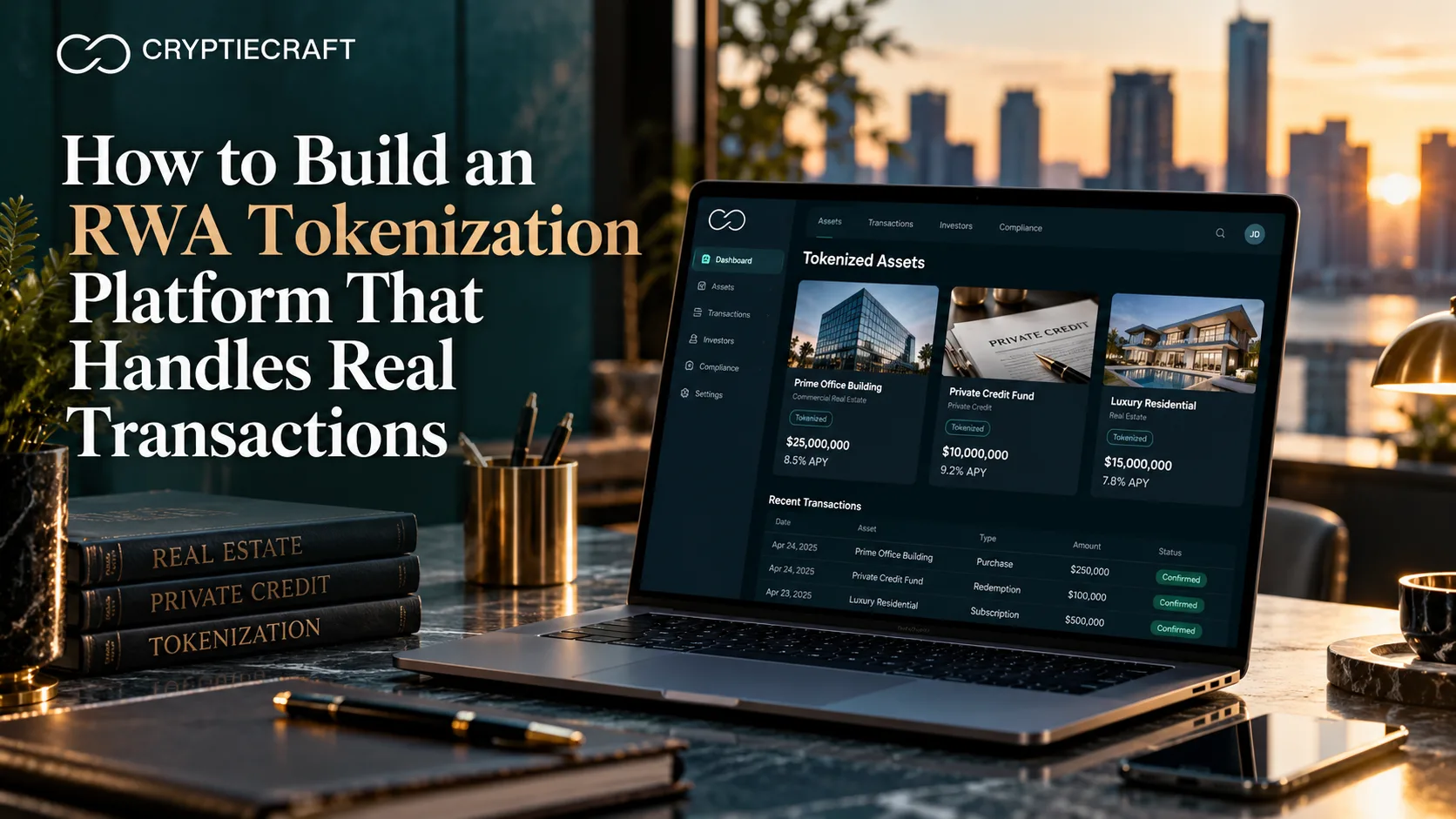
An emerging frontier involves integrating tokenized real-world assets into MLM platforms. Imagine a platform where you can invest in tokenized real estate, commodities, or debt instruments while simultaneously participating in MLM commissions. Your commission earnings could be held in tokenized assets, creating diversification within the platform itself.
Market projections suggest this sector could expand substantially. Tokenized real assets could reach between 2 and 30 trillion dollars within five years, according to various estimates. Even the conservative end of that range represents enormous opportunity. Platforms positioned to integrate these assets will capture participants interested in sophisticated investment exposure beyond just cryptocurrency.
Enhanced Compliance Features
As discussed previously, compliance is becoming core functionality rather than add-on. But the sophistication of compliance features continues advancing. Modern platforms implement not just KYC and AML screening but also sophisticated risk-based monitoring systems that track participant activity patterns for suspicious behavior.
Some platforms now incorporate AI-powered compliance monitoring that flags accounts for manual review based on sophisticated pattern analysis. Others implement geographic restriction systems that automatically prevent participants in certain jurisdictions from accessing features violating local regulations. Still others provide detailed compliance documentation automatically proving that verification procedures were followed.
This compliance sophistication serves both protective and competitive purposes. Platforms demonstrating robust compliance face lower regulatory risk and can operate in jurisdictions prohibiting less-rigorous competitors. Over time, compliance maturity becomes a competitive advantage rather than a cost center.
Stablecoins and Volatility Reduction
The volatility of most cryptocurrencies creates challenges for MLM platforms and participants. Earning commission in a cryptocurrency that fluctuates 20 percent in daily value introduces risk and complicates financial planning.
Stablecoins—cryptocurrencies designed to maintain a consistent value—address this problem. Stablecoins have experienced explosive growth. Daily settlement volumes jumped from 100 billion dollars in November 2024 to projected 300 billion dollars by the end of 2025. This growth reflects both mainstream adoption and increased use within specialized applications like MLM platforms.
Platforms increasingly offer participants the choice of earning in volatile tokens, stablecoins, or baskets of multiple assets. This flexibility addresses different participant risk tolerances and use cases. Someone saving for a specific goal might prefer stable coins, while someone bullish on cryptocurrency exposure might prefer volatile tokens.
The Convergence Trend
What's genuinely interesting is how these trends converge. Imagine a next-generation platform offering:
- MLM commissions paid in the platform's token
- Participant choice between immediate payment or staking for yield
- Automated reinvestment of yields creating compound returns
- DeFi integration allowing participants to use staked tokens as collateral for loans
- Multi-blockchain operation for user choice and flexibility
- AI-optimized compensation structures evolving based on network behavior
- Tokenized real asset investment options integrated alongside MLM structure
- Sophisticated compliance monitoring enabling global operation
This represents genuine innovation over traditional MLM platforms. It's why serious institutional attention is increasingly directed toward this sector.
The Sustainability Question
These innovations create powerful income mechanisms. But they also create sustainability questions. DeFi yields ultimately depend on protocol health and new capital entering DeFi. AI optimization can improve network health but can't change fundamental mathematics around network saturation. Multi-blockchain architecture increases resilience but increases operational complexity.
The platforms that will succeed long-term are those that integrate these emerging technologies into sustainable business models. Those that use technological sophistication to obscure unsustainable economics will eventually face regulatory action or market collapse.
Looking Forward
The next few years will likely see continued technological sophistication in crypto MLM platforms. DeFi integration will deepen. AI and machine learning applications will expand. Multi-blockchain operation will become standard. Compliance features will become increasingly automated and rigorous.
The market will simultaneously consolidate. Platforms with sophisticated technology, robust compliance, and sustainable economics will thrive. Those with flashy features but weak fundamentals will struggle. Regulators will develop increasingly specific frameworks, making it harder to operate in gray areas.
For participants, this evolution creates both opportunities and obligations. Opportunities exist in platforms that genuinely integrate powerful technology into legitimate business models. But the obligation to understand what you're participating in—actually understanding the mechanisms, the economics, the risks—becomes increasingly important as sophistication increases.
The technology is advancing rapidly. The business models are evolving constantly. The regulatory environment is settling into more defined frameworks. Whether these developments produce innovation or sophisticated fraud largely depends on how these platforms are built and operated.