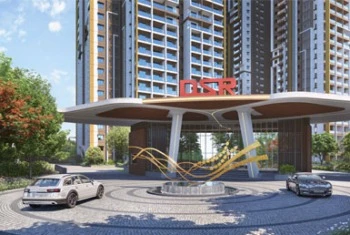
The architectural landscape of Bangalore is undergoing a sophisticated transformation as we move through 2026. For years, the city’s residential design was dominated by glass-heavy facades and a somewhat "cold" approach to minimalism that often felt disconnected from the local climate. Today, a new philosophy has taken root: Warm Minimalism. This trend prioritizes comfort, organic textures, and emotional well-being over stark, sterile lines, creating spaces that feel like sanctuaries rather than just showrooms.
In the current market, the demand for luxury apartments in Bangalore has shifted toward developments that celebrate the "Garden City" heritage while integrating futuristic technology. Developers like DSR Group are at the forefront of this movement, recognizing that modern homeowners seek a balance between sleek geometry and natural warmth. This approach utilizes lime-wash finishes, terracotta tones, and oak textures to create interiors that are peaceful and grounding.
The Pillars of Future-Ready Design
The shift toward this new aesthetic is driven by several key factors that define how high-end homes are built and experienced in 2026:
- Biophilic Integration: Modern luxury is no longer just about the view from the window; it is about bringing the outdoors in. This includes internal courtyards, vertical gardens that act as natural air purifiers, and "skylight-covered Brahmasthans" that improve cross-ventilation.
- Tactile Surfaces: The era of glossy, high-maintenance surfaces is fading. Designers are now opting for matte finishes, fluted wood panels, and textured fabrics that offer a sensory experience.
- Climate-Smart Facades: With rising urban temperatures, architecture now focuses on passive cooling. Features like jaali walls and higher ceilings reduce dependency on artificial cooling, making the home more sustainable.
- The 70/30 Rule: A popular interior design principle in 2026 where 70% of the space is composed of an earthy, neutral base, while the remaining 30% features bold accents like jewel-toned furniture or statement lighting.
Redefining the Interior Experience
The internal layout of these residences has also evolved to match the hybrid lifestyle of the modern professional. Large-format apartments, often ranging from 3,000 to 5,000 square feet, are designed with "shape-shifting" floor plans. Sliding panels and silent partitions allow a guest room to morph into a high-tech work corner or an open zone to convert from a co-working space into an entertainment lounge.
Luxury is increasingly being defined by architectural clarity rather than visible excess. Homebuyers are moving away from makeshift signals of opulence, such as oversized chandeliers, toward homes shaped by proportion and intelligence. This maturity in the market reflects a global exposure where the quality of life and the longevity of design are the primary metrics of value.
Sustainability as a Foundation
Sustainability is no longer a "premium add-on" but the very foundation of good design. Integrated smart-home ecosystems now go beyond simple automation; they are synchronized to manage energy-mapping for smarter consumption and automated greywater recycling. These features ensure that the residence remains efficient and relevant over decades of ownership.
As the city expands toward the North and East corridors, the emphasis remains on creating low-density environments. These developments offer the assurance of privacy without disconnecting from the city’s growth story. By focusing on stewardship and how a building will age—architecturally and environmentally—the current wave of residential projects is setting a new standard for what it means to live well in the heart of India's Silicon Valley.