
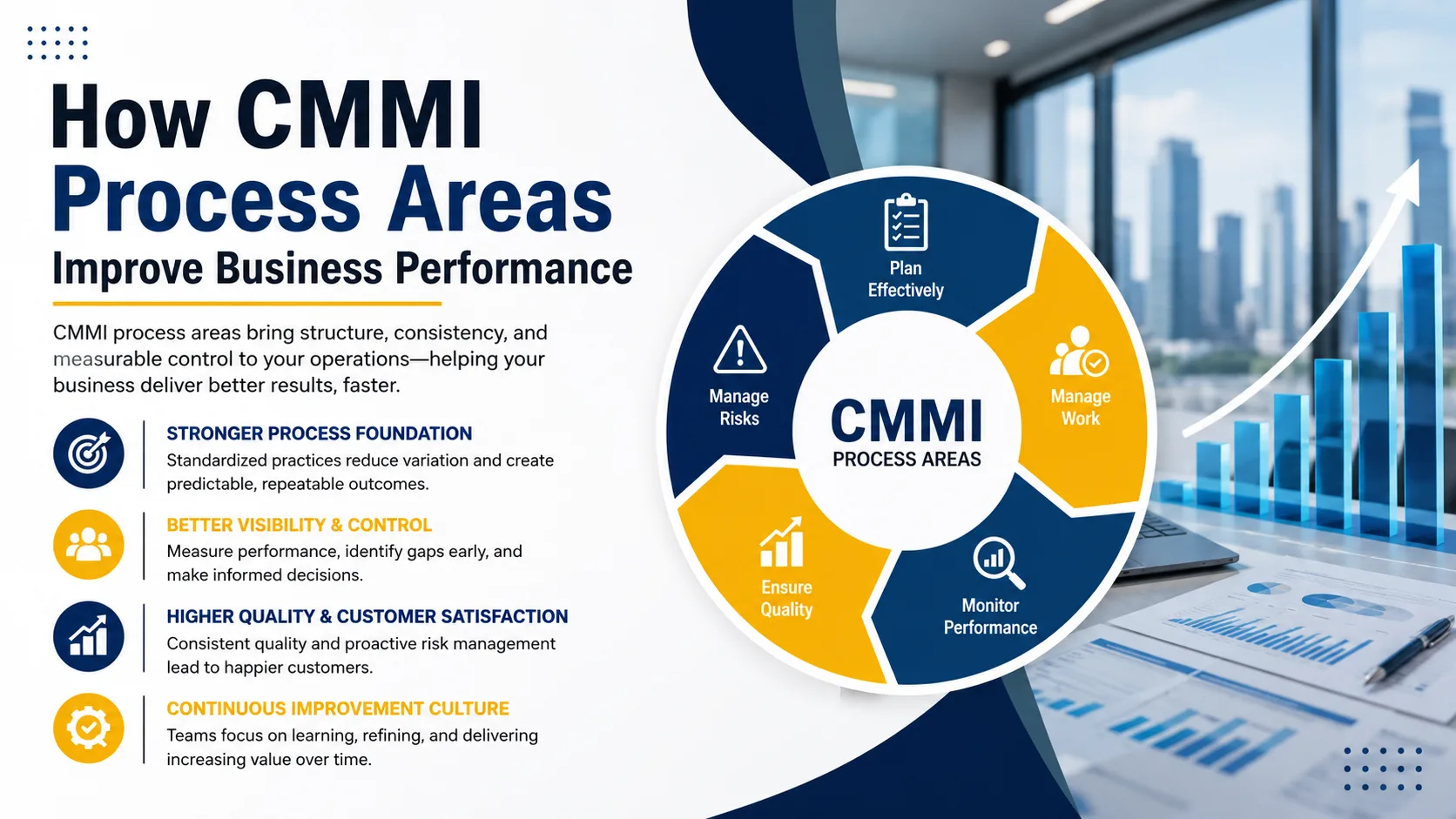
Strong processes often separate stable companies from those constantly reacting to problems. Businesses handling complex projects, strict compliance needs, or rapid growth can struggle when workflows lack structure. That’s where CMMI process areas become valuable. They create consistency across operations, reduce confusion, and help teams work with greater accountability.
Organizations aiming for better service delivery frequently connect these practices with iso 20000-1 consulting services to build stronger operational systems. Combined with effective cmmi compliance, process maturity becomes easier to sustain over time.
When Daily Operations Stop Feeling Chaotic
Many businesses face repeated issues that slow progress:
- Delayed project timelines
- Miscommunication between departments
- Inconsistent quality checks
- Limited visibility into risks
- Poor documentation practices
CMMI process areas address these gaps by defining how work should be planned, monitored, reviewed, and improved. Instead of relying on individual habits, teams follow structured methods that support predictable outcomes.
A company managing software development, IT support, or regulated services often notices fewer operational disruptions once cmmi compliance becomes part of everyday workflows.
Clear Ownership Creates Faster Decisions
Unclear responsibilities can quietly damage performance. Projects stall when employees aren’t certain who handles approvals, risk reviews, or quality validation.
Process areas within CMMI help organizations assign responsibilities more effectively. Teams gain a better understanding of:
- Project planning expectations
- Supplier management procedures
- Performance measurement methods
- Incident response responsibilities
This level of structure supports faster decisions because fewer tasks fall into confusion or duplication. Businesses using iso 20000-1 consulting services alongside process improvement initiatives often align IT operations and governance more efficiently.
Sync Resource Inc has worked with organizations seeking more stable internal systems, particularly where service management and cmmi compliance overlap with customer expectations and regulatory obligations.
Process Measurement Changes Business Visibility
Companies cannot improve what they fail to measure. One major advantage of CMMI process areas is their focus on measurable performance indicators.
Organizations begin tracking:
- Defect trends
- Service response times
- Project completion accuracy
- Resource utilization
- Process bottlenecks
These insights help leadership identify recurring weaknesses before they become larger operational problems. Instead of reacting after failures occur, teams can make informed adjustments earlier.
Businesses integrating iso 20000-1 consulting services with process maturity frameworks often gain stronger reporting accuracy and more reliable service management controls.
Conclusion
CMMI process areas help businesses create stability, accountability, and measurable operational control. Stronger workflows reduce confusion, improve service quality, and support long-term growth. When paired with iso 20000-1 consulting services and practical CMMI compliance strategies, organizations gain systems that support both efficiency and consistency.
As industries face rising customer expectations and tighter compliance standards, structured process management continues to shape business resilience. Companies reviewing operational gaps should examine whether process maturity frameworks can support stronger performance across projects, services, and internal governance.