
When it comes to HVAC systems, ensuring that airflow is optimal and efficiency is at its peak is absolutely crucial. One often-overlooked yet vital component in achieving these goals is the HVAC smooth elbow. While they may seem small in the grand scheme of things, they play a significant role in connecting ductwork and enhancing overall system performance. In this guide, we’ll explore the importance of smooth elbows, their influence on ductwork efficiency, and how they align with industry standards.
Understanding HVAC Smooth Elbows
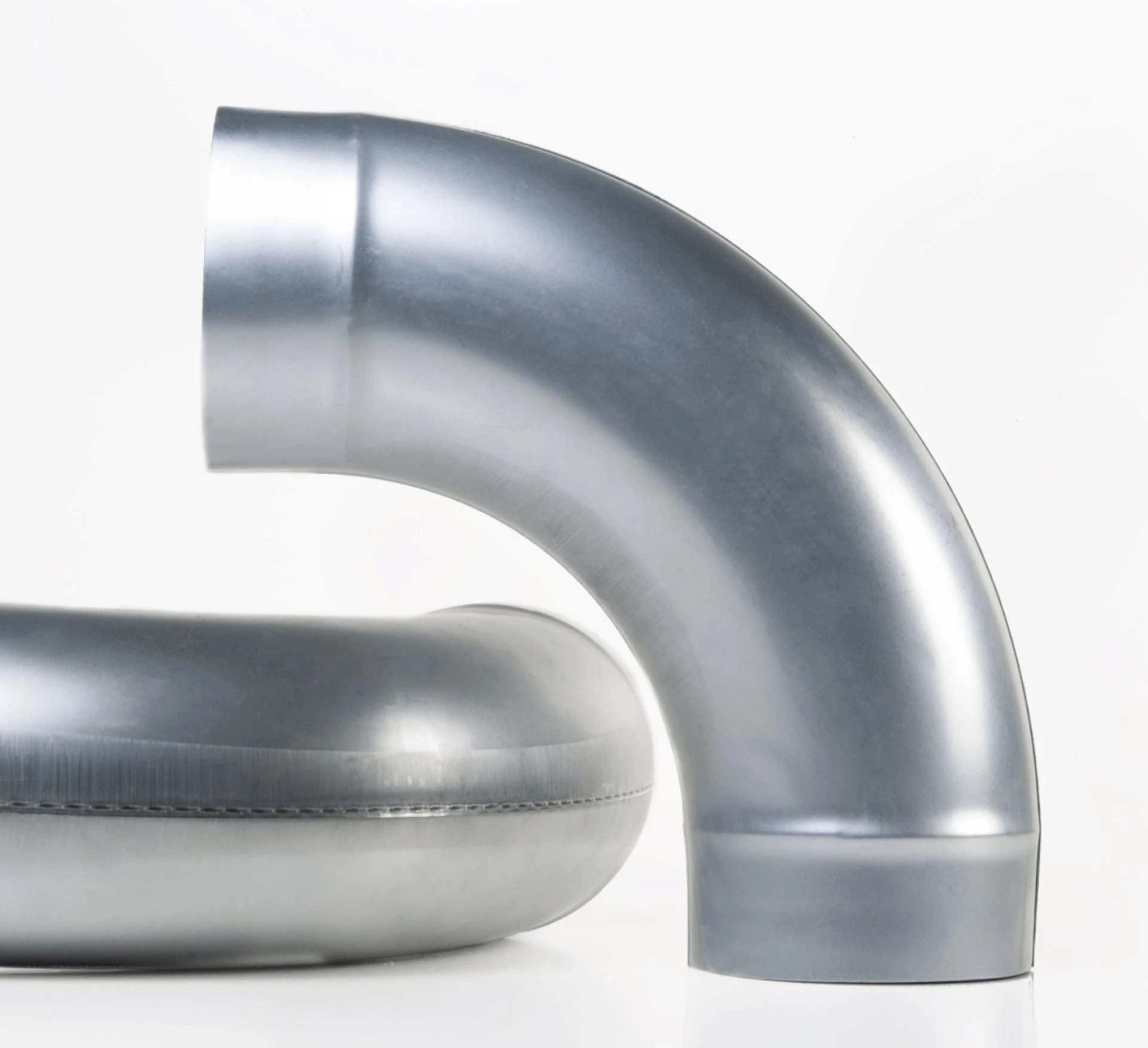
So, what exactly are HVAC smooth elbows? These are curved fittings found in ductwork that help change the direction of airflow. Unlike those sharp bends that cause turbulence and resistance, smooth elbows boast a gradual curve. This thoughtful design minimizes pressure loss and keeps airflow consistent—a must-have for any efficient HVAC operation.
Why Choose Smooth Elbows?
- Reduced Turbulence: Thanks to their gentle curve, smooth elbows cut down on turbulence in the airflow, which translates to less noise and lower energy bills.
- Improved System Efficiency: By keeping pressure drops to a minimum, smooth elbows help your entire HVAC system run more efficiently.
- Space Optimization: These elbows make it easier to design ductwork layouts, even in tight spaces.
Installation Techniques for Optimized Performance
To really get the most out of smooth elbows, proper installation is key. Here are some important techniques to keep in mind:
Key Installation Practices
- Correct Sizing: Make sure the elbows fit your ductwork perfectly to avoid any bottlenecks.
- Precise Alignment: Align the elbows with the ductwork accurately to prevent leaks and ensure smooth airflow.
- Secure Connections: Use high-quality angle rings to fasten the elbows, which will help prevent air leaks and cut down on maintenance.
Enhancing Ductwork Efficiency with Smooth Elbows
Boosting efficiency in HVAC systems isn’t just about picking the right components; it’s about how you put them all together:
- Material Selection: Opt for materials that are both durable and resistant to corrosion to extend the ductwork's lifespan.
- Regular Maintenance: Periodically inspect and clean your ductwork to avoid blockages and keep everything running smoothly.
- System Design: Incorporate smooth elbows right from the design stage to maximize airflow from day one.
Compliance with SMACNA Standards
The Sheet Metal and Air Conditioning Contractors' National Association (SMACNA) sets the standards for HVAC system components, including smooth elbows. Adhering to these standards ensures that your ductwork systems are reliable and safe:
- Quality Assurance: Compliance with SMACNA means that your elbows meet rigorous quality and performance benchmarks.
- Design Consistency: Standardized designs simplify the planning and installation processes, making it easier to avoid errors and cut costs.
- Enhanced Reliability: Systems that follow SMACNA standards are generally more efficient and require less maintenance over time.
Material Specifications for HVAC Smooth Elbows
When picking smooth elbows for your HVAC system, consider these material specifications to ensure both performance and longevity:
- Galvanized Steel: Known for its durability and corrosion resistance, it’s the go-to choice for most environments.
- Stainless Steel: Ideal for high-humidity applications, this material offers superior corrosion resistance.
- Aluminum: Lightweight and rust-resistant, aluminum is perfect for more lightweight ductwork systems.
Future Trends in HVAC Ductwork
As technology advances, so too do HVAC systems and their components. Here are some trends that are shaping the future of ductwork:
- Smart HVAC Systems: The integration of IoT allows for real-time monitoring and adjustments, optimizing system performance.
- Sustainable Materials: An increasing focus on eco-friendly materials is helping to reduce the carbon footprint of HVAC systems.
- Advanced Design Software: Cutting-edge software tools are making ductwork design more precise, improving efficiency and minimizing installation errors.
Conclusion
In summary, HVAC smooth elbows are essential for creating efficient and reliable ductwork systems. By reducing turbulence and enhancing airflow, these components play a key role in boosting overall system performance. Sticking to SMACNA standards and selecting the right materials will help ensure that your HVAC system is both efficient and durable. As the industry continues to evolve, staying informed about the latest trends and techniques will keep contractors, engineers, and businesses competitive and compliant.