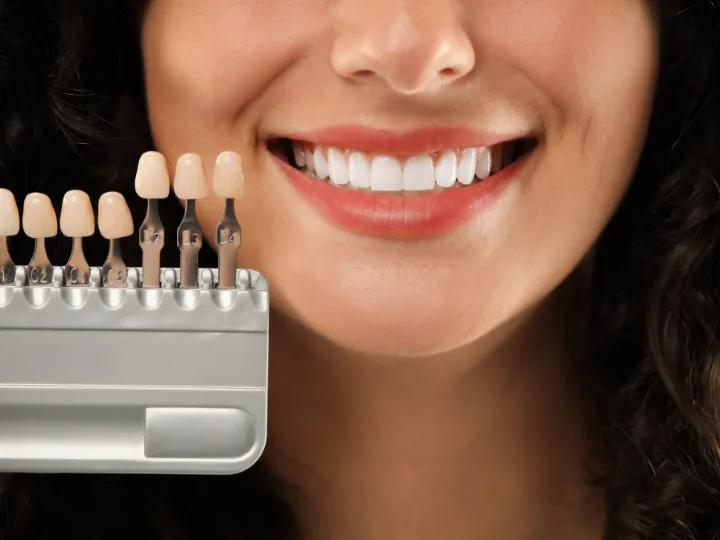
Improving the appearance of teeth involves understanding the available cosmetic treatment options and how they suit individual dental needs. For people considering composite resin veneers, factors such as tooth condition, desired appearance, material characteristics, and maintenance requirements matter when making an informed decision. Reviewing the expected results through digital smile design can also help patients understand how proposed changes may influence their overall smile before treatment begins.
Understanding Composite Veneers
Composite veneers are thin layers of tooth-coloured resin applied to the front surfaces of teeth to improve their appearance. The dental practitioner shapes and adjusts the material to address concerns such as uneven edges, minor chips, small gaps, discolouration, and irregular tooth shapes.
Unlike some other veneer options, composite material can often be applied directly to the tooth and sculpted during the appointment. The approach depends on the condition of the natural tooth and the amount of change required. Understanding how the material works helps patients decide whether this treatment fits their circumstances.
Assessing Your Dental Needs
Before choosing a cosmetic treatment, identify the concerns you want to address. Some people may wish to improve the appearance of individual teeth, while others may be concerned about overall tooth shape, alignment or colour consistency.
A dental assessment helps determine whether the teeth and gums are healthy enough for treatment. Existing decay, gum inflammation, worn enamel or structural damage may need attention before cosmetic work begins.
The practitioner also considers the natural bite and how the teeth meet when chewing. This assessment helps establish whether the proposed restoration can function comfortably without placing unnecessary pressure on the treated teeth.
Considering Material Appearance
The appearance of composite material is an important consideration when selecting a veneer treatment. Its shade can be chosen to complement the natural teeth, while its consistency allows the practitioner to shape the surface and create a suitable finish.
Factors such as tooth colour, translucency, texture and surrounding facial features can influence the final appearance. A shade that is too bright or does not blend with neighbouring teeth may look noticeably different.
Discussing the preferred outcome before treatment helps establish realistic expectations. Natural teeth and restorative materials may also respond differently to staining and everyday wear.
Understanding Tooth Preparation
The amount of natural tooth preparation required depends on the treatment plan. In some situations, composite material can be added directly to the existing tooth surface with minimal alteration. However, certain cases may require gentle reshaping to create enough space for the material and achieve a balanced result.
Preserving healthy tooth structure is an important consideration when planning cosmetic treatment. The practitioner should explain which areas require preparation and why these changes are necessary.
Patients should also understand that treatment suitability depends on individual dental conditions, not appearance preferences alone.
Evaluating Durability and Maintenance
Composite restorations require ongoing care to maintain their appearance and function. Although the material is designed for dental use, it can gradually develop surface wear, minor chips, or colour changes over time.
Daily brushing with a suitable toothpaste, cleaning between teeth and attending routine dental examinations can help protect the restoration and surrounding gums. Regular professional assessments also help identify early signs of damage or wear.
Avoiding unnecessary pressure on the treated teeth is equally important. Biting hard objects or using teeth to open packaging may increase the likelihood of damage. If a restoration becomes rough, chipped, or uncomfortable, have it assessed rather than adjusted at home.
Comparing Treatment Alternatives
Composite restorations are not suitable for every cosmetic concern. Depending on the condition of the teeth, alternative treatments may include porcelain veneers, dental bonding, whitening or orthodontic care.
Each option differs in preparation, appearance, maintenance, and longevity. For example, whitening addresses tooth colour but does not change tooth shape, while orthodontic treatment focuses on correcting alignment.
Comparing these approaches with a dental practitioner helps patients understand each option's benefits and limitations. The most appropriate choice should support both appearance and oral health.
Planning Your Cosmetic Treatment
Clear treatment planning helps patients understand the proposed changes before beginning the procedure. Discussing the desired tooth shape, colour and overall appearance allows the practitioner to consider how the restoration will complement the natural smile.
Patients can also ask about the treatment process, expected maintenance, possible limitations and future repair requirements. Understanding these details makes it easier to establish realistic expectations and prepare for ongoing care.
Final Thoughts
Choosing a suitable cosmetic treatment requires careful consideration of dental health, appearance, material properties and long-term maintenance. By understanding the characteristics of composite resin veneers and exploring options such as digital smile design, patients can have more informed discussions about their treatment goals. A thorough dental assessment and personalised treatment plan help ensure that cosmetic decisions also consider comfort, function and the health of natural teeth.