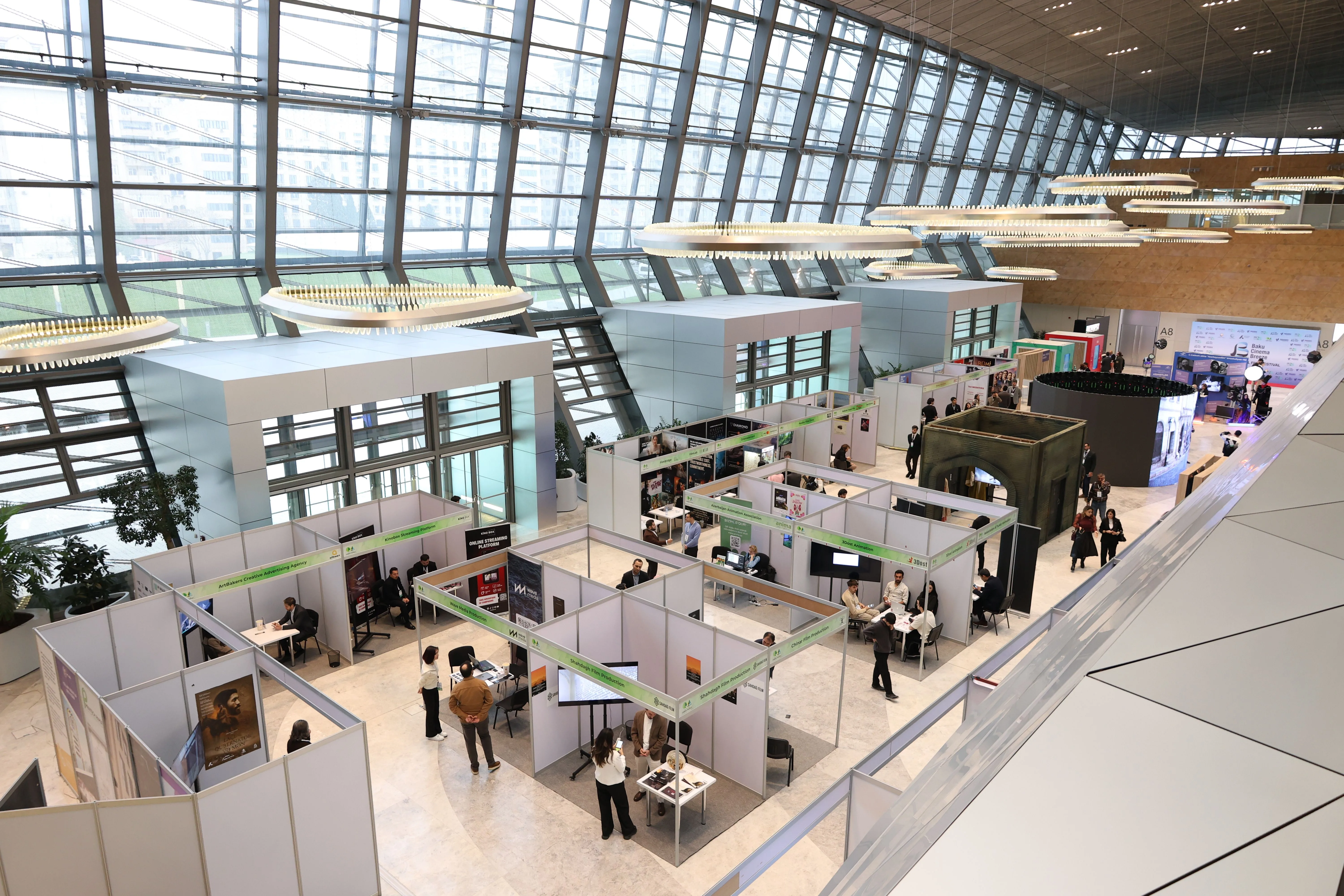
The Effect a Trade Show Can Have on Your Business
Introduction
In a world where digital marketing, social media, and online advertising dominate many business strategies, trade shows continue to provide unique opportunities that are difficult to replicate elsewhere. These events bring together industry professionals, potential customers, suppliers, investors, and competitors under one roof, creating an environment designed for networking, learning, and growth.
For businesses of all sizes, trade shows can serve as a powerful platform for building brand awareness and generating new opportunities. While participating in a trade show requires planning, investment, and resources, the potential returns often extend far beyond the event itself. Understanding the impact that trade shows can have on a business can help organizations determine whether these events should become a regular part of their growth strategy.
Building Brand Visibility and Recognition
One of the most immediate benefits of attending a trade show is increased visibility. Businesses have the opportunity to showcase their products, services, and expertise directly to a targeted audience that is already interested in the industry. Unlike traditional advertising, trade shows allow companies to interact with potential customers face-to-face.
A well-designed booth can leave a lasting impression on attendees. Visitors are able to see demonstrations, ask questions, and experience products in a hands-on environment. These personal interactions often create stronger connections than digital advertisements or email campaigns alone.
For newer businesses, trade shows offer a chance to introduce themselves to the market and gain credibility. Established companies can reinforce their reputation and stay visible among existing customers while attracting new prospects. The increased exposure generated during a trade show can continue producing benefits long after the event concludes.
Generating High-Quality Leads
Trade shows are often considered one of the most effective lead-generation tools available to businesses. Since attendees actively choose to participate in industry-related events, many visitors arrive with genuine interest in specific products, services, or solutions.
This creates opportunities to have meaningful conversations with decision-makers and qualified prospects. Instead of reaching a broad audience that may or may not be interested, companies can engage directly with individuals who are already seeking information relevant to their needs.
The quality of these interactions can significantly improve future sales efforts. Sales teams can gather contact information, understand customer challenges, and begin building relationships that may develop into long-term partnerships. In many cases, a single successful trade show can generate valuable leads that support revenue growth for months afterward.
Networking and Industry Relationships
Trade shows are about far more than attracting customers. They also provide opportunities to connect with fellow professionals throughout the industry. Business owners, executives, suppliers, vendors, and service providers all come together in one location, creating a rich environment for relationship building.
These connections can lead to strategic partnerships, referral opportunities, collaborative projects, and access to new markets. Industry relationships often become valuable resources for business growth, providing support, insights, and opportunities that may not have been available otherwise.
Companies that attend trade shows consistently often find themselves becoming recognized participants within their industries. This increased visibility among peers can strengthen professional networks and open doors that would be difficult to access through remote communication alone.
Learning from Competitors and Market Trends
Trade shows provide a unique opportunity to observe competitors and gain insight into industry developments. Exhibitors often showcase their newest innovations, marketing strategies, and product launches, providing valuable information about where the marketplace is heading.
Business leaders can identify emerging trends, changing customer expectations, and new technologies that may affect their operations. This knowledge can help companies remain competitive and make informed decisions about future investments.
Attending educational sessions, demonstrations, and presentations further enhances the learning experience. These opportunities allow businesses to stay informed about industry challenges and discover solutions that may improve performance or efficiency. In rapidly changing markets, the ability to gather firsthand information can provide a significant competitive advantage.
Maximizing Returns Through Strategic Planning
The effectiveness of a trade show often depends on the preparation that takes place beforehand. Successful exhibitors carefully plan their goals, booth design, staffing, marketing materials, and follow-up strategies to maximize their return on investment.
Logistics also play an important role in ensuring a smooth and successful experience. Many businesses rely on dynamic trade show logistics companies to coordinate transportation, installation, storage, and event support. These specialized services help organizations focus on engaging attendees rather than managing operational challenges.
Following the event, prompt communication with leads and contacts is essential. Businesses that actively follow up on conversations and opportunities are far more likely to convert interest into measurable results. A strategic approach transforms a trade show from a short-term event into a long-term growth opportunity.
Conclusion
Trade shows continue to offer significant value for businesses seeking growth, visibility, and stronger industry connections. From generating qualified leads and increasing brand recognition to building partnerships and uncovering market trends, the benefits can influence many aspects of business development. While participation requires careful planning and investment, the opportunities created through direct interaction and professional networking often justify the effort. For companies looking to expand their reach and strengthen their position within their industry, trade shows remain one of the most impactful business development tools available.