Summer temperatures across the Bay Area can push older cooling systems to their limits, and for many homeowners, that's when small problems become big decisions. Should you repair your air conditioner again, or is it finally time to install a new system? Understanding how professional AC installation works — and what separates a quality job from a rushed one — can save you thousands of dollars and years of frustration.
Signs Your Home Needs a New AC System
Not every cooling problem calls for a full replacement, but certain warning signs make it clear that repairs are no longer the smart financial choice.
Age of the system is often the biggest factor. Most central air conditioners are designed to last 10 to 15 years. Once a unit crosses that threshold, its components wear down, refrigerant lines degrade, and energy efficiency drops significantly compared to newer models.
Frequent repairs are another red flag. If you find yourself calling for service multiple times a year, or facing a large bill for a major component like a compressor, that money is often better invested in a new system with a fresh warranty.
Rising energy bills without any change in usage habits usually mean your system is working harder than it should to maintain the same temperature. As internal parts wear out, efficiency drops, and your utility costs climb.
Uneven cooling throughout the house — hot spots in certain rooms, or a system that runs constantly but never quite reaches the thermostat setting — is a sign that your AC has lost the capacity to properly cool your home's square footage.
Why Installation Quality Matters More Than the Equipment Itself
It's a common misconception that the brand or model of an air conditioner is the most important factor in how well it performs. In reality, even the best equipment on the market will underperform, break down early, or run inefficiently if it isn't installed correctly. A proper installation is what determines whether your system reaches its rated efficiency and lasts as long as the manufacturer intends.
This is why a thorough process matters more than a quick equipment swap.
Step 1: Consultation and Load CalculationBefore any equipment is chosen, a qualified installer should perform a Manual J load calculation. This industry-standard formula accounts for your home's square footage, insulation levels, window placement, ceiling height, and layout to determine exactly how much cooling capacity your home needs.
This step matters because bigger isn't better when it comes to air conditioners. An oversized unit will cool the air quickly but shut off before it has time to remove humidity from the home, leaving rooms feeling clammy and uncomfortable even at the right temperature. An undersized unit, on the other hand, will run constantly and struggle to keep up on the hottest days. Correct sizing is the foundation of a comfortable, efficient home.
Step 2: Choosing the Right SystemOnce your home's needs are calculated, a good contractor will present multiple options at different price points and efficiency levels — often described as good, better, and best — so you can choose what fits your budget and long-term goals. Higher-SEER2-rated systems cost more upfront but can reduce energy consumption significantly over the life of the unit.
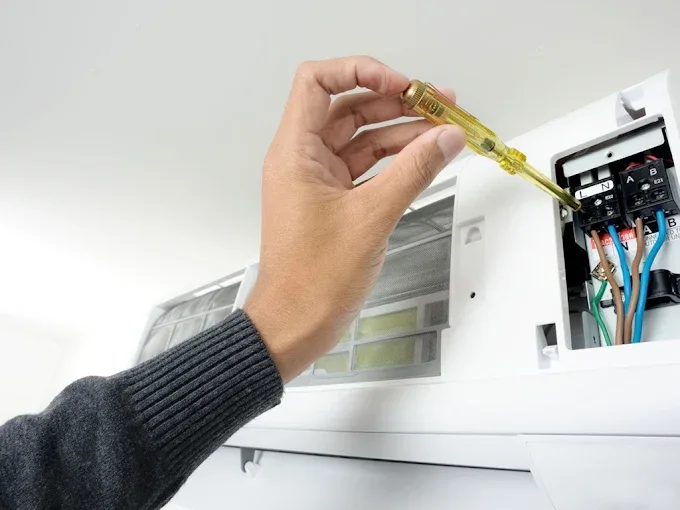
Step 3: Professional InstallationThis is where experience and craftsmanship show. Certified technicians should safely remove and dispose of the old unit, then install the new system according to manufacturer specifications — including proper refrigerant line sizing, electrical connections, condensate drainage, and airflow through existing ductwork. Corners cut here, such as improper refrigerant charging or leaving ductwork unaddressed, are among the most common causes of early system failure.
Step 4: Testing and HandoverA responsible installer doesn't just leave once the unit is running. The final step should include calibrating the system for optimal performance, testing airflow at each vent, walking you through your new thermostat (including smart thermostat setup if applicable), and leaving your home as clean as they found it.
The Real Benefits of Upgrading Your AC System
Homeowners who invest in a new system often underestimate just how much has changed in cooling technology over the past decade.
Lower energy costs are one of the most immediate benefits. Modern SEER2-rated systems can consume significantly less energy than units built even 10 years ago, which adds up to real savings on monthly utility bills.
Smart home integration is now standard on most new systems. Wi-Fi enabled thermostats let you adjust your home's temperature remotely, set schedules based on your routine, and receive alerts if something goes wrong.
Quieter operation is another noticeable upgrade. Variable-speed compressor technology allows modern units to run at partial capacity most of the time, rather than cycling on and off at full power, which dramatically reduces operational noise.
Stronger warranties also come standard with new installations, often covering parts for up to 10 years when the system is registered and installed by a licensed professional — giving homeowners real peace of mind after a major investment.
Should You Replace Your Furnace at the Same Time?
If your air conditioner and furnace are around the same age, replacing both at once is often the smarter long-term decision. Central air systems typically share a blower motor and indoor coil with the furnace, meaning mismatched or aging components on one side can drag down the performance of the other. Replacing both together ensures the systems are properly matched, communicate efficiently, and can save on overlapping labor costs compared to doing two separate jobs down the road.
What to Expect on Installation Day
For most homes, a standard AC replacement takes about one full day, typically four to eight hours depending on the complexity of the job. If ductwork modifications are needed, or the installation involves unusual layout challenges, it may take longer — but a transparent contractor will communicate that timeline with you upfront rather than leaving you guessing.
Choosing the Right Installer
Because installation quality has such a large impact on system performance and longevity, choosing the right contractor matters as much as choosing the right equipment. Look for a few key qualities:
- Licensing and certification — confirm the company holds a valid state contractor's license and that technicians are EPA certified to handle refrigerants.
- Transparent, upfront pricing — a trustworthy contractor provides detailed written estimates with no hidden fees.
- Proper load calculations — avoid any installer who quotes a system size based on square footage alone without a real Manual J calculation.
- Warranty support — ask what's covered, for how long, and whether the installer registers the warranty on your behalf.
- Financing options — many reputable HVAC companies offer flexible payment plans, which can make upgrading to a high-efficiency system more accessible.
Final Thoughts
A new air conditioning system is one of the more significant investments a homeowner will make, but it's also one that pays off in comfort, efficiency, and reliability for well over a decade when done correctly. The equipment matters, but the installation process — accurate sizing, careful workmanship, and proper testing — is what ultimately determines whether that investment performs the way it should.
If your system is aging, requiring frequent repairs, or simply struggling to keep your home comfortable, it may be time to schedule a consultation with a licensed HVAC professional who can assess your home's specific needs and walk you through your options.