Traversing the rugged landscapes of the high Himalayas requires thoughtful planning, local insight, and proper acclimatization. As a seasoned travel planner at Book My Kashmir Trip, having guided dozens of expeditions across Ladakh's high-altitude passes, I have seen firsthand how the right route transforms an exhausting journey into an unforgettable expedition.
When you set out to explore the trans-Himalayan region, choosing comprehensive Leh-Ladakh destination Tour Packages ensures that every logistical hurdle—from Inner Line Permits to reliable high-altitude transport—is handled with precision. Below is an authentic, field-tested 6-day itinerary centered on reaching the spellbinding shores of Pangong Tso while prioritizing health, safety, and cultural depth.
Day 1: Arrival in Leh and Essential Acclimatization
Your journey begins at Kushok Bakula Rimpochee Airport in Leh, located at an elevation of approximately 3,500 meters (11,500 feet). The immediate transition from sea level or low-lying plains to this thin air causes a natural drop in blood oxygen saturation.
Spend your entire first day resting at your hotel. Drink ample amounts of water, herbal tea, or local butter tea, and avoid physical exertion. In the late afternoon, take a slow, gentle walk through Leh Bazaar to let your respiratory system adapt to the elevation. This restful foundation prevents Acute Mountain Sickness (AMS) and sets the stage for a smooth journey.
Day 2: Exploring the Indus Valley Monasteries and Historic Landmarks
Once rested, dedicate day two to exploring cultural landmarks around Leh without crossing extreme mountain passes:
- Shey Palace: The former summer capital of Ladakh, housing a massive copper-gilt statue of Shakyamuni Buddha.
- Thiksey Monastery: A twelve-story complex perched on a hill, closely resembling the Potala Palace in Lhasa, Tibet.
- Shanti Stupa: A white-domed Buddhist stupa on a hilltop in Changspa, offering panoramic sunset views across the Zanskar Range and the town of Leh.
- Leh Palace: A historic 17th-century royal residence providing deep architectural insights into Tibetan and Ladakhi heritage.
Returning to your hotel in Leh for a second night allows your body to continue its gradual acclimatization at a stable altitude.
Day 3: Leh to Nubra Valley via the High Pass of Khardung La
Depart early in the morning toward the Nubra Valley, climbing the winding switchbacks of Khardung La, situated at 5,359 meters (17,582 feet). Because spending prolonged time at this altitude can trigger dizziness or nausea, limit your photo stop at the pass summit to no more than fifteen to twenty minutes before descending toward the valley floor.
Nubra sits at around 3,000 meters, which is noticeably lower than Leh, providing your lungs with welcome relief. Visit Diskit Monastery to stand before the towering 32-meter statue of Maitreya Buddha overlooking the Shyok River. Afterward, head to the white sand dunes of Hunder to observe the rare double-humped Bactrian camels, relics of the historic Central Asian Silk Route. Overnight stay in a valley camp or guesthouse in Hunder.
Day 4: Nubra Valley to Pangong Tso via the Rugged Shyok River Route
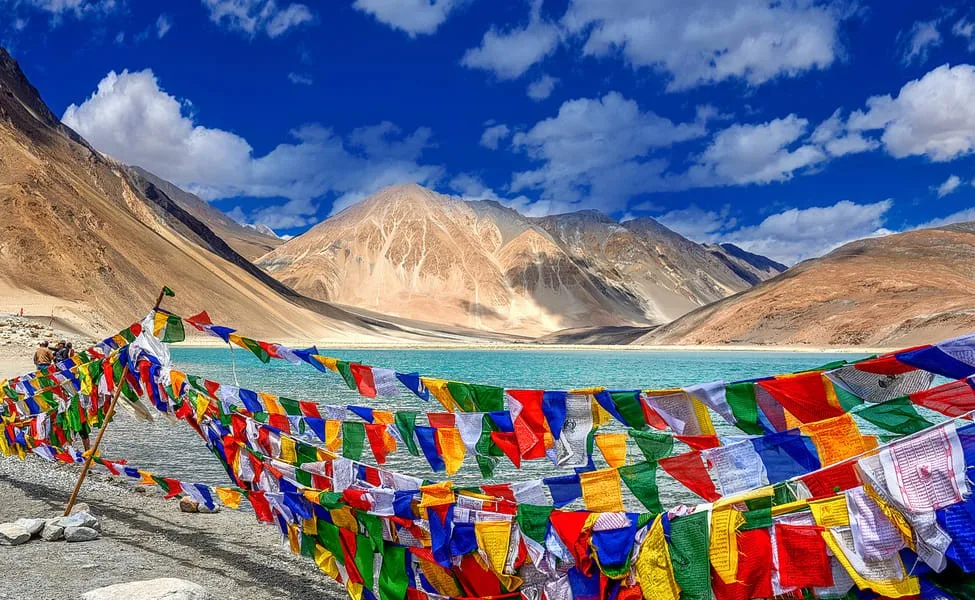
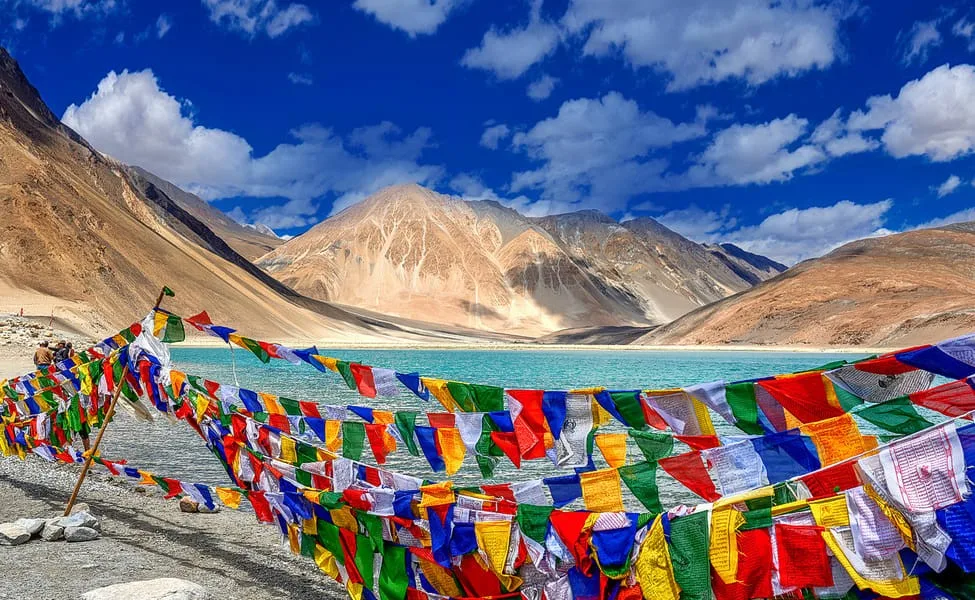
Instead of backtracking to Leh, take the dramatic direct route along the Shyok River Gorge connecting Nubra to Pangong Tso. This raw trans-Himalayan stretch passes through Durbuk and Tangste before unveiling the world's highest saltwater lake at 4,225 meters (13,862 feet).
Embarking on a dedicated Leh Ladakh Tour with Pangong Lake lets you witness the changing hues of the lake as sunlight shifts from deep cobalt to bright turquoise throughout the afternoon. Even in peak summer months, temperatures drop sharply once the sun sets behind the mountains. Dress in thermal base layers, fleece jackets, and windproof outer shells to stay comfortable in lakeside Swiss tents or local homestays in Spangmik.
Day 5: Pangong Sunrise and Return to Leh via Chang La
Wake early to catch the crisp morning light illuminating the Changchenmo range reflected on Pangong's mirror-smooth water. After a warm local breakfast, begin your return journey to Leh.
This segment crosses Chang La, the third-highest motorable mountain pass in the world at 5,360 meters (17,586 feet). Maintain steady hydration and make a brief stop at the Changla Baba temple before descending through the verdant valley of Karu. Arrive back in Leh by late afternoon, allowing time to browse local handicraft shops for authentic pashmina shawls, dried apricots, and Tibetan silver jewelry.
Day 6: Departure from Leh
Board your morning flight out of Leh over the snow-crowned peaks of the Great Himalayas. If you wish to extend your journey toward Srinagar via Kargil and Sonamarg, partnering with an established tour operator in Kashmir guarantees seamless vehicle handovers, reliable regional drivers, and authentic local guidance across high mountain passes.
Practical Tips for High-Altitude Route Success
A high-altitude expedition requires practical caution:
- Hydration: Aim for 3 to 4 liters of fluids daily. Avoid excessive caffeine and alcohol as they accelerate dehydration.
- Layering System: Himalayan weather is notoriously volatile; pack moisture-wicking inner layers, insulating middle layers, and a heavy windproof/waterproof jacket.
- Permits and Documentation: Ensure your Inner Line Permits (ILP) are arranged in advance and carry multiple physical photocopies, as remote military checkpoints along Nubra and Pangong do not accept digital documents.
- Emergency Preparedness: Verify that your transport vehicle is equipped with a portable medical oxygen cylinder before setting out for remote sectors.