Most home gyms are not built in a single order. They are assembled piece by piece, usually over a year or more, as budget allows and priorities become clearer. That reality is not a compromise. Buying in phases produces a better gym than buying everything at once, because each purchase is informed by how you actually train rather than how you imagine you will.
The problem is that most people phase their buying badly. They start with the item that excites them instead of the item that unlocks the most training, then spend months with exercise equipment in Canada sitting idle while they wait for the missing piece. A proper sequence avoids that entirely. Every purchase should be fully usable the day it arrives.
Why the Order Matters More Than the Budget
Two people can spend identical amounts over twelve months and end up with very different gyms. The difference is rarely the total spent. It is the order, because sequencing determines how many months you spend actually training versus waiting for equipment to become useful. That gap compounds quickly across a year.
Good sequencing follows one rule: never buy something that depends on a piece you do not yet own. A barbell without plates is decoration. A rack without a bench covers half its potential. Buying the best home gym equipment in Canada in the right order means every month adds new training options rather than new storage problems.
The Real Cost of Buying Out of Order
Out-of-order buying costs money twice. First in dead equipment that cannot be used yet, and second in the replacements bought when an early item turns out to be undersized. Both are avoidable with a little planning. The pattern is remarkably consistent across first-time builds, and it usually starts with the same handful of decisions.
Watch for these sequencing errors, because each one delays training or forces a second purchase later:
- Buying a barbell before owning any plates to load it
- Choosing a light dumbbell set that stalls progress within months
- Ordering a rack before confirming ceiling height and clearance
- Adding cardio equipment before the strength foundation exists
- Buying specialty bars before owning a standard setup
Planning Around Space and Delivery
Phased buying gives you something a single bulk order cannot: time to learn your space. After three months of training, you will know exactly where the rack should sit, which wall needs storage, and how much clearance your lifts really demand. Use that knowledge before committing to the largest items.
Delivery logistics also favour a staggered approach, particularly for heavy freight items. Racks and plate sets often ship on pallets with different handling requirements than smaller parcels. Spreading those deliveries out gives you time to prepare access, clear the room, and arrange help for assembly rather than managing everything in one chaotic week.
Months 1–3: Buy What Lets You Train Immediately
The first phase has one job: get you training in space, today. Not in six weeks when the next item arrives. Equipment that produces immediate, complete workouts belongs here, and everything that depends on something else belongs later. This is where most build plans go wrong before they start.
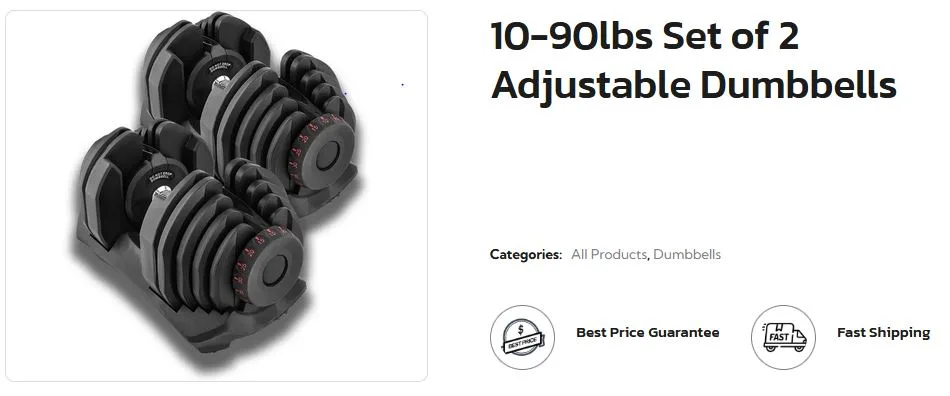
An adjustable bench and a pair of high-capacity adjustable dumbbells cover an enormous amount of ground together. Pressing, rows, split squats, hinges, and accessory work all become available on day one. This pairing remains among the most versatile exercise equipment in Canada for anyone starting, and it stays useful long after the rest of the gym is finished.
Start With the Bench and Dumbbells
This combination is the highest-value opening purchase because neither piece depends on anything else. Flat, incline, and decline positions unlock a full upper-body programme, while dumbbells handle unilateral leg work well enough to hold you over. Together, they form the backbone of the best home gym equipment in Canada buyers reach for first, and the pairing that most exercise equipment shoppers underestimate.
Buy the Load Ceiling You Will Reach
The single most common regret in phase one is a dumbbell set that tops out too low. Strength on rows and presses climbs faster than people expect, and a set capped at fifty pounds often stalls within a year. Buying a higher load ceiling upfront costs more once and saves you from replacing the entire set later.
- Adjustable dumbbells with a wide load range in one pair
- A bench with a stable frame and multiple incline positions
- A pad wide enough for pressing without shoulder instability
- Storage that keeps both pieces off the main floor area
- Adjustment mechanisms you can change quickly between sets
Months 4–6: Add the Anchor Piece
Phase two is where the gym stops being a corner setup and becomes a proper training space. This is also the largest single purchase in most builds, which is exactly why it belongs in the middle rather than the beginning. By now you know your ceiling height, your traffic paths, and your training style.
A power rack transforms what is possible in the room. Squats, solo bench pressing with safeties, overhead work, and pull-ups all arrive at once. Golden Fitness stocks multi-functional power racks built around expandable attachment systems, which matters here because your phase four purchases will likely bolt onto this same frame rather than occupy new floor space.
Rack First, Barbell Alongside
The rack and barbell belong in the same phase because neither delivers full value alone. Order them together where possible, or the rack within a few weeks of the bar. Confirm the rack's rated capacity, frame dimensions, and whether it needs to be anchored before you finalise the position in your room.
Confirm Clearance Before You Order
Measure to the lowest obstruction in the ceiling, not the highest point. Then check clearance for overhead pressing and pull-ups at full extension. Ductwork, light fixtures, and beams catch out more buyers than low ceilings do. Ten minutes with a tape measure prevents the most expensive mistake in the entire twelve-month plan.
Months 7–9: Build Your Loading
With the rack in place, the priority shifts to plates. Loading is what turns a frame into a training tool, and it is also the phase where buyers most often underspend. Plates last decades with basic care, so this is a purchase worth getting right rather than rushing through on the cheapest option available.
Start with the plates you will use every session and expand from there. Most lifters need fewer plates than they assume at the beginning and more than they expect within two years. Buying in increments across this phase spreads the cost while keeping your working loads fully covered at every stage.
Plates, Then Flooring
Flooring belongs alongside plates because the two problems arrive together. Once you are loading heavy and setting bars down, unprotected concrete, tile, or finished floors take damage quickly. Cover the lifting zone where weight actually lands rather than the whole room. It costs less and works just as well.
Months 10–12: Fill the Gaps You Have Identified
The final phase should be the easiest to plan, because by now your training has told you exactly what is missing. Resist filling this quarter with items chosen at the start of the year. Your programme has changed, your priorities have sharpened, and the gaps are now specific rather than theoretical.
Typical phase four additions are attachments, storage, and one specialty item. A hex bar for back-friendlier pulls, dip handles, plate pegs, or a functional trainer if space and budget allow. Each should solve a problem you have actually run into, not one you read about while planning the build twelve months ago.
- Rack attachments that expand training without adding footprint
- A specialty bar chosen around your weakest or most limited lift
- Vertical storage for plates, bars, and accessories
- Additional plates as your working loads increase
- Small accessories like straps, belts, and bands
FAQs
Can I build a home gym faster than twelve months?
Absolutely. The sequence matters more than the timeline. If your budget allows, compress the same order into three or six months. What should not change is the priority: usable equipment first, dependent equipment second, specialty items last.
What if I only have a budget for one purchase this year?
Choose the adjustable bench and dumbbell pairing. It delivers the most complete training on its own and requires nothing else to function. A rack without plates or a bench leaves you with far fewer usable workouts.
Should I buy used equipment for some phases?
Plates and barbells hold up well second-hand if inspected properly. Benches and racks are riskier, since frame damage, worn welds, and missing hardware are difficult to assess and directly affect safety under load.
Working through a phased build? Reach the Golden Fitness team via call +1-647-627-0807 to map each stage around your space, budget, and training goals.