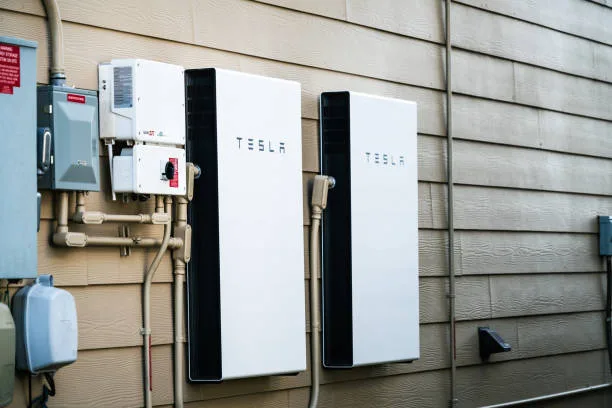
As Australian households look for ways to reduce electricity costs and increase energy independence, home battery storage is becoming an increasingly popular addition to solar power systems. The Tesla Powerwall 3 is one of the best-known home energy storage solutions, combining battery storage, an integrated inverter and energy management features in a single system.
But is Tesla Powerwall 3 suitable for your home? The answer depends on your electricity consumption, solar system, backup requirements, available installation space and how you use energy throughout the day.
What Is Tesla Powerwall 3?
Tesla Powerwall 3 is a home battery designed to store electricity for use when your solar panels are not generating enough power.
During the day, your solar panels can supply electricity to your home. If your solar generation exceeds your household demand, the surplus electricity can be stored in the Powerwall. That stored energy can then be used in the evening, overnight or during periods when solar production is low.
Powerwall 3 also includes an integrated solar inverter, helping simplify the design of compatible solar and battery installations.
How Much Energy Can Powerwall 3 Store?
Powerwall 3 has a usable energy capacity of 13.5 kWh. The amount of time that this can power your home depends entirely on your household's electricity consumption.
For example, a household using relatively little electricity may be able to operate essential appliances for an extended period. A home with high energy consumption, electric heating, air conditioning, pool equipment or an electric vehicle may use the stored energy much faster.
Therefore, battery capacity should always be considered alongside your home's energy consumption rather than viewed as a standalone specification.
How Does Powerwall 3 Work With Solar Panels?
One of the main reasons homeowners install a Powerwall is to increase their use of solar-generated electricity.
Without a battery, excess solar generation can be exported to the electricity grid. With battery storage, some of that excess electricity can instead be stored for later use.
A typical solar-plus-battery cycle works like this:
- Morning: Solar panels begin generating electricity.
- Daytime: Solar generation supplies household appliances.
- Midday: Excess solar electricity can charge the Powerwall.
- Evening: The battery supplies stored electricity after solar generation falls.
- Overnight: The Powerwall can continue supplying electricity until its stored energy is depleted or grid power is used.
This can help households shift more of their electricity consumption toward their own solar generation.
Can Powerwall 3 Provide Backup Power?
Powerwall 3 can provide backup power during a grid outage when installed and configured for backup operation.
This can be particularly useful for households that want to keep important appliances operating during interruptions to grid electricity.
However, backup capability does not necessarily mean that every appliance in your home will operate indefinitely during an outage. The available energy depends on the battery's state of charge and the electrical load connected to it.
High-energy appliances can significantly reduce battery runtime.
Before installation, homeowners should discuss which circuits or appliances they want supported during an outage and whether the proposed installation meets those requirements.
Is Powerwall 3 Suitable for a Large Home?
A large home may have substantially higher electricity consumption than an average household.
Air conditioning, electric hot water, induction cooking, pool pumps, electric vehicles and other high-energy appliances can increase electricity demand.
A single 13.5 kWh battery may still be useful, but its ability to cover the home's total electricity consumption will depend on when those appliances operate.
For households with particularly high energy requirements, an installer may assess whether additional battery capacity or changes to energy usage are appropriate.
The important consideration is not simply the size of your home but how much electricity you use and when you use it.
What About Homes With Electric Vehicles?
Electric vehicles can significantly increase household electricity consumption.
If an EV is charged during periods when solar generation is available, homeowners may be able to use solar electricity directly rather than storing it first.
If charging occurs overnight, however, the household may need considerably more stored energy.
For EV owners considering Powerwall 3, it is worth analysing the vehicle's charging schedule alongside existing household electricity consumption. This can help determine whether battery storage provides the expected benefits.
Powerwall 3 and Energy Management
Another consideration is how the battery integrates into your home's overall energy management.
Tesla's ecosystem allows homeowners to monitor energy flows and battery operation through its software and app. Depending on the installation and configuration, homeowners can view information about solar generation, household consumption, battery charging and energy usage.
Energy monitoring can help identify when electricity is being generated, stored and consumed.
This information may also help households change their energy habits—for example, running certain appliances during periods of strong solar production.
How Much Does Tesla Powerwall 3 Cost?
The total cost of a Powerwall 3 installation depends on several factors, including the battery, installation requirements, electrical work, system configuration and any applicable government incentives.
Installation costs can vary considerably between properties.
A straightforward installation may require less additional electrical work, while an older home may need switchboard modifications or other upgrades.
Because pricing and government incentives can change, homeowners should request a current, itemised quotation rather than relying on an outdated advertised price.
When comparing quotes, check whether the price includes installation, electrical work, commissioning, monitoring and applicable incentives.
Does Powerwall 3 Make Sense Without Solar?
Powerwall 3 is primarily associated with solar energy storage, but battery storage can also be considered in relation to electricity tariffs and grid energy.
However, the financial case for charging a battery from the grid depends on electricity prices, tariffs, battery efficiency, operating settings and other factors.
For many homeowners, combining solar panels with battery storage provides a more straightforward way to increase the use of self-generated renewable electricity.
If you already have solar panels, an installer can assess whether your existing system is compatible with the proposed battery configuration.
What Should You Consider Before Installing Powerwall 3?
Before deciding whether Powerwall 3 is suitable, consider these questions:
How much electricity does your home use?
Review several months of electricity bills to understand your average consumption and seasonal changes.
When do you use electricity?
A battery can be particularly useful when your household uses significant amounts of electricity after solar generation declines.
How large is your solar system?
Your solar system needs to generate sufficient surplus electricity to make effective use of battery storage.
Do you want backup power?
If backup is important, discuss essential circuits and appliances with your installer before installation.
Do you have space for the battery?
The installation location must meet applicable requirements for the equipment and property.
Are you planning an EV?
Future electricity consumption should be considered before choosing battery capacity.
Is Tesla Powerwall 3 Right for Your Home?
The Tesla Powerwall 3 can be a suitable option for homeowners who want to store excess solar energy, increase their use of solar-generated electricity and potentially maintain selected household loads during grid outages.
However, the right battery solution depends on individual circumstances. A household with modest electricity consumption has different requirements from a home with multiple air conditioners, an EV and high evening energy use.
Rather than choosing a battery based solely on brand or capacity, compare your electricity consumption, solar generation, backup requirements and installation costs.
Final Thoughts
Tesla Powerwall 3 offers a combination of battery storage, integrated inverter technology and energy management in a single home energy system. Its 13.5 kWh usable capacity can provide meaningful energy storage for many households, but actual battery runtime depends on electricity consumption and the appliances being powered.
For Australian homeowners, the best way to determine whether Powerwall 3 is suitable is to assess current electricity usage, solar generation, future energy needs and installation requirements.
A professional solar and battery assessment can then help determine whether Powerwall 3—and what system configuration—matches your home's energy needs.