Every shipment tells a story before it reaches its destination. For temperature-sensitive products, that story depends on one critical factor—whether the correct temperature was maintained throughout the journey.
From pharmaceuticals and vaccines to food products, electronics, and specialty chemicals, unexpected temperature changes can lead to damaged goods, financial losses, and customer dissatisfaction. Businesses need a reliable way to verify that products have remained within safe temperature limits during storage and transportation.
That’s where temperature indicators for shipping play a vital role. These simple yet highly effective monitoring solutions provide instant visual evidence of temperature exposure, helping businesses protect valuable products and maintain confidence throughout the supply chain.
What Are Temperature Indicators for Shipping?
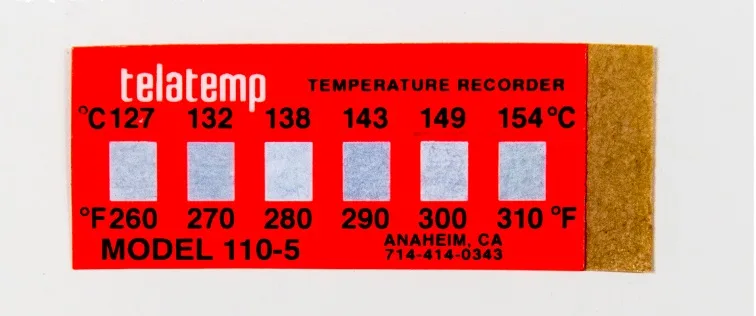
Temperature indicators for shipping are specialized labels or devices that monitor whether a package has been exposed to temperatures outside its acceptable range during transit.
Unlike standard thermometers that only display the current temperature, temperature indicators record if a shipment has experienced conditions that could affect product quality.
Many irreversible indicators permanently change colour once a preset temperature has been reached, providing a clear visual confirmation that temperature exposure has occurred.
Because they require no batteries or complex equipment, they are widely used across industries where product quality depends on consistent temperature control.
Why Temperature Monitoring Is Critical During Shipping
Modern supply chains often involve multiple transportation stages, warehouses, customs inspections, and long-distance deliveries. Every transfer increases the risk of temperature fluctuations.
Even brief exposure to excessive heat or freezing conditions can affect product quality.
Potential consequences include:
- Product spoilage
- Reduced product performance
- Regulatory compliance issues
- Increased product returns
- Customer complaints
- Financial losses
- Brand reputation damage
Temperature indicators help identify these risks before products reach the end user.
How Temperature Indicators Work
Temperature indicators are designed to respond when a shipment reaches a specific temperature threshold.
Once activated, many irreversible indicators permanently change colour, creating a visible record that the product has experienced temperatures outside the acceptable range.
This allows warehouse staff, logistics providers, distributors, and customers to quickly inspect shipments without specialised equipment.
The simplicity of visual verification makes temperature indicators one of the most practical monitoring solutions available today.
Types of Temperature Indicators Used in Shipping
Different products require different monitoring methods depending on their sensitivity and transportation requirements.
Irreversible Temperature Indicators
These indicators permanently record temperature exposure and cannot be reset after activation.
They are commonly used for:
- Medical products
- Industrial equipment
- Pharmaceuticals
- Electronics
- Shipping containers
Freeze Indicators
Some products become unusable if frozen.
Freeze indicators immediately reveal whether freezing temperatures have been reached during transit.
Typical applications include:
- Vaccines
- Biological samples
- Liquid medicines
- Laboratory reagents
High-Temperature Indicators
Designed to detect overheating, these indicators are suitable for products that may be damaged by excessive heat.
Common uses include:
- Electronics
- Industrial machinery
- Automotive components
- Chemical products
Time-Temperature Indicators
These indicators measure both temperature exposure and the duration of that exposure.
They are especially useful for products with limited shelf life, including fresh food and perishable goods.
Industries That Use Temperature Indicators for Shipping
Temperature monitoring has become an essential part of modern logistics.
Pharmaceutical Industry
Medicines and vaccines require strict temperature control throughout distribution.
Temperature indicators help verify cold chain integrity while supporting regulatory compliance.
Food and Beverage
Fresh produce, frozen meals, dairy products, seafood, and beverages all benefit from temperature monitoring to maintain freshness and quality.
Biotechnology and Laboratories
Research samples, enzymes, diagnostic kits, and laboratory materials require precise temperature conditions during transportation.
Electronics Manufacturing
Sensitive electronic components may be damaged by excessive heat during storage and shipping.
Temperature indicators provide valuable evidence if exposure occurs.
Industrial Manufacturing
Many industrial processes involve transporting heat-sensitive materials where temperature verification supports quality assurance.
Key Benefits of Temperature Indicators for Shipping
Protect Valuable Products
Temperature indicators help identify shipments exposed to unsafe conditions before products are used or sold.
Improve Supply Chain Visibility
Businesses gain better insight into transportation conditions across the distribution network.
Support Regulatory Compliance
Industries with strict quality standards can demonstrate that products were monitored during transit.
Reduce Product Waste
Early identification of compromised shipments helps prevent unnecessary inventory losses.
Increase Customer Confidence
Visible temperature monitoring reassures customers that products have been transported responsibly.
Simplify Inspection
Staff can inspect incoming shipments within seconds without opening packaging or using electronic equipment.
Choosing the Right Temperature Indicator
Selecting the correct indicator depends on several factors:
- Product sensitivity
- Temperature threshold
- Shipping duration
- Storage environment
- Transportation method
- Industry regulations
- Single-use or reusable requirements
Matching the indicator to the application improves monitoring accuracy and operational efficiency.
Best Practices for Temperature Monitoring During Shipping
To achieve the best results:
- Select indicators with the appropriate temperature range.
- Attach indicators where they accurately represent product conditions.
- Train staff to recognise activated indicators.
- Inspect shipments immediately upon arrival.
- Document inspection results for quality assurance.
- Replace single-use indicators after each shipment.
These practices strengthen quality control throughout the supply chain.
Why Irreversible Temperature Indicators Are a Popular Choice
Among the various monitoring solutions available, irreversible temperature indicators remain one of the most trusted options.
Once activated, they permanently record that a critical temperature has been reached, providing clear evidence that cannot be reset or altered.
Their simplicity, reliability, and ease of use make them suitable for shipping, manufacturing, maintenance, quality control, and industrial inspections where permanent temperature verification is essential.
Frequently Asked Questions
What is a temperature indicator for shipping?
A temperature indicator is a monitoring device or label that shows whether a shipment has been exposed to temperatures outside its recommended range during transportation or storage.
How do irreversible temperature indicators work?
They permanently change colour when a specific temperature threshold is reached, creating a permanent visual record of temperature exposure.
Which industries benefit from temperature indicators?
Industries including pharmaceuticals, healthcare, food processing, biotechnology, electronics, logistics, and industrial manufacturing commonly use temperature indicators.
Can temperature indicators replace data loggers?
Visual temperature indicators provide a quick indication of temperature exposure, while data loggers record continuous temperature data throughout transportation. Many businesses use both solutions together.
Are temperature indicators suitable for international shipping?
Yes. They are widely used for domestic and international shipments to verify that products remain within acceptable temperature limits throughout transit.
Conclusion
Reliable temperature monitoring is essential for protecting products, reducing waste, and maintaining customer trust throughout today’s complex supply chains.
Whether shipping pharmaceuticals, food products, electronics, or industrial materials, temperature indicators for shipping provide a practical and cost-effective way to identify temperature exposure before it becomes a costly problem.
By incorporating dependable temperature monitoring into your logistics process, businesses can improve quality assurance, support compliance, and ensure products arrive in the condition customers expect.