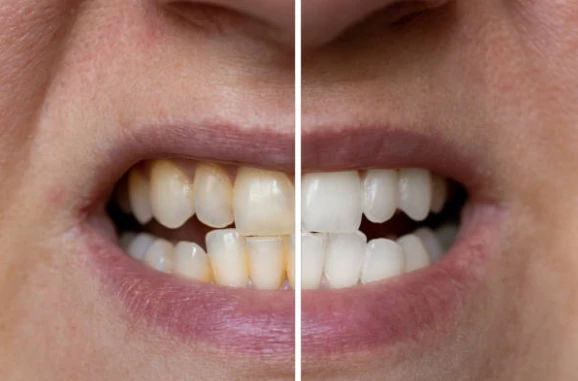
A bright, white smile is often associated with confidence, good health, and positive first impressions. However, over time, teeth can become stained or discolored due to various factors such as diet, lifestyle habits, and aging. This is where teeth whitening treatment becomes an effective solution to restore the natural brightness of your smile.
Teeth whitening is one of the most popular cosmetic dental procedures today because it is quick, non-invasive, and delivers noticeable results. Whether it’s for a special occasion or simply to boost confidence, many individuals opt for whitening treatments to enhance their appearance.
In this blog, we will explore the causes of tooth discoloration, different types of teeth whitening treatments, their benefits, and tips to maintain long-lasting results.
What Causes Tooth Discoloration?
Before choosing a whitening solution, it is important to understand why teeth become discolored.
1. Food and Beverages
Certain foods and drinks can stain teeth over time.
Common culprits include:
- Coffee
- Tea
- Red wine
- Soft drinks
- Dark-colored sauces
2. Smoking and Tobacco Use
Nicotine and tar in tobacco products can cause yellow or brown stains on teeth.
3. Poor Oral Hygiene
Inadequate brushing and flossing can lead to plaque buildup, which contributes to discoloration.
4. Aging
As we age, the enamel on our teeth wears down, revealing the yellowish dentin underneath.
5. Medications
Some medications can cause tooth discoloration as a side effect.
Types of Teeth Whitening Treatment
There are several methods available for whitening teeth, each with its own advantages.
1. Professional In-Clinic Whitening
This is one of the most effective and fastest ways to whiten teeth. Dentists use advanced whitening agents and technology to achieve noticeable results in a single session.
2. At-Home Whitening Kits
Dentists may provide custom trays and whitening gel for use at home. These kits offer gradual results over a few weeks.
3. Over-the-Counter Products
Whitening toothpaste, strips, and gels are widely available but may provide limited results compared to professional treatments.
Benefits of Teeth Whitening
Teeth whitening offers several advantages beyond just improving appearance.
1. Enhanced Confidence
A brighter smile can boost self-esteem and make you feel more confident in social and professional settings.
2. Improved Appearance
Whiter teeth contribute to a more youthful and attractive look.
3. Quick Results
Professional whitening treatments can deliver visible results in a short time.
4. Safe and Non-Invasive
When performed under professional supervision, teeth whitening is a safe and painless procedure.
Is Teeth Whitening Safe?
Teeth whitening is generally safe when done correctly. However, it is important to consult a dentist before starting any whitening treatment.
Some people may experience temporary sensitivity after whitening, but this usually subsides within a few days.
How Long Do Whitening Results Last?
The longevity of teeth whitening results depends on lifestyle habits and oral hygiene.
Results can last anywhere from:
- Several months to a few years
Factors that affect longevity include:
- Diet
- Smoking habits
- Oral hygiene practices
Tips to Maintain a Whiter Smile
To keep your teeth looking bright after whitening treatment, follow these simple tips.
Maintain Good Oral Hygiene
Brush twice daily and floss regularly to prevent plaque buildup.
Avoid Staining Foods and Drinks
Limit consumption of coffee, tea, and other staining substances.
Drink Through a Straw
Using a straw can reduce contact between staining beverages and your teeth.
Rinse After Eating
Rinsing your mouth after meals helps remove food particles and stains.
Schedule Regular Dental Cleanings
Professional cleanings help maintain the brightness of your teeth.
Who Is a Good Candidate for Teeth Whitening?
Teeth whitening is suitable for individuals with:
- Yellow or stained teeth
- Healthy gums and teeth
- No major dental restorations in visible areas
However, it may not be effective for certain types of discoloration, such as those caused by medications or internal tooth damage.
Importance of Professional Dental Care
While over-the-counter products are easily available, professional teeth whitening ensures safe and effective results. Dentists can assess your dental condition and recommend the most suitable treatment option.
If you are considering improving your smile, you can explore expert services at the best dental clinic in Thalassery. Professional consultation and advanced whitening treatments can help you achieve a brighter and healthier smile.
Frequently Asked Questions
Does teeth whitening damage enamel?
No. When done properly, teeth whitening does not damage enamel.
How long does a whitening session take?
In-clinic whitening sessions typically take about 45–60 minutes.
Can whitening remove all stains?
Whitening is most effective for external stains but may not work on deep internal discoloration.
Is teeth whitening painful?
Most patients experience little to no discomfort, though mild sensitivity may occur temporarily.
How often can I whiten my teeth?
It depends on the method used. Your dentist can recommend a safe frequency.
Conclusion
Teeth whitening is a simple yet highly effective way to enhance your smile and boost your confidence. With various treatment options available, individuals can choose a method that suits their needs and lifestyle.
Understanding the causes of discoloration and maintaining good oral hygiene are key to achieving long-lasting results. While at-home products may offer some improvement, professional teeth whitening treatment provides the safest and most noticeable outcomes.
By taking proper care of your teeth and seeking expert guidance, you can enjoy a brighter, healthier smile that leaves a lasting impression.