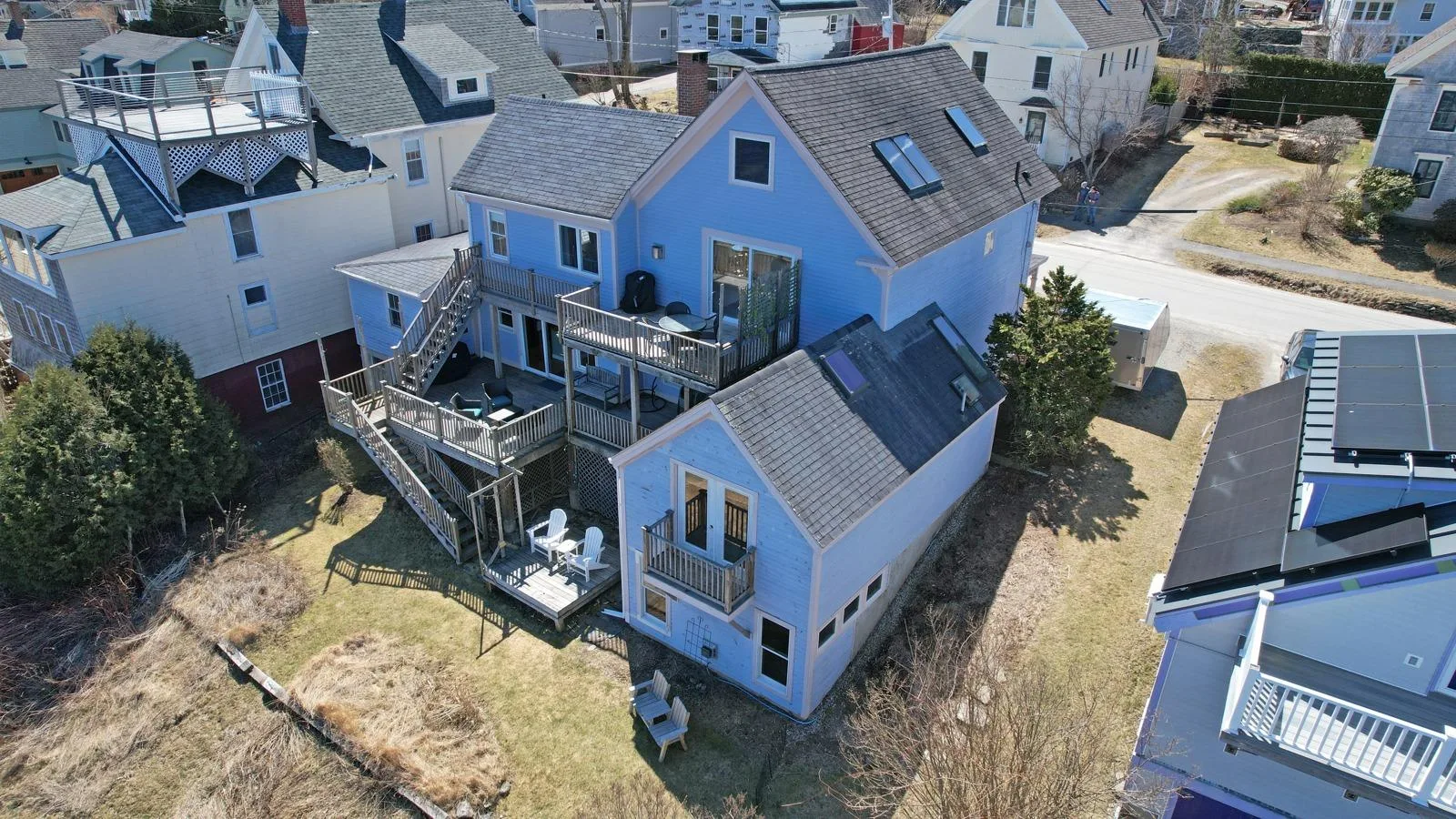

The Dawn of a New Housing Paradigm
In the spring of 2026, a quiet revolution unfolds across global skylines and suburban streets alike. Imagine a cityscape where buildings breathe with smart sensors, neighborhoods evolve around community-driven microgrids, and homes adapt dynamically to weather, occupancy, and personal health data. This future is no longer the realm of science fiction but an emerging reality shaped by converging forces of technology, policy innovation, and demographic shifts.
Global urban populations have crossed the 60% threshold, with the United Nations projecting continued growth through the mid-21st century. Housing demand is intensifying amid climate concerns, affordability crises, and evolving work habits. The question is no longer just “how to build more,” but “how to build smarter, fairer, and greener.” This article explores the multifaceted forces driving the future of housing, presenting a detailed analysis of current trends and the transformative changes underway.
“The future of housing will be defined by integration — of technology, environment, and social equity — rather than by mere expansion.” — Dr. Helena Muir, Urban Sustainability Expert
Historical Context: Lessons from Housing’s Past to Inform Tomorrow
To understand housing’s trajectory, it is essential to look back at the post-war housing booms, urban sprawl of the late 20th century, and the recent affordability crunches that have shaped current realities. The 1950s and 1960s saw mass suburban expansion fueled by automobile dependency and government-backed mortgage schemes. However, this model eventually contributed to unsustainable land use patterns and social segregation.
The early 21st century brought a housing bubble burst and the 2008 financial crisis, highlighting vulnerabilities in mortgage markets and the dangers of speculative real estate investment. More recently, the COVID-19 pandemic accelerated remote work adoption, triggering shifts in housing demand from dense urban centers to smaller cities and rural areas. This migration pattern has altered market dynamics considerably, as detailed in our previous coverage How Remote-Work Migration Is Redrawing America’s Housing Landscape.
Simultaneously, climate change has imposed new imperatives. Flooding, wildfires, and extreme weather events have forced reconsiderations of traditional building locations and materials. The legacy of “build anywhere” is giving way to resilience-oriented planning, emphasizing sustainability and adaptability.
Technological Innovations Driving the Future of Housing
Technological progress is accelerating the transformation of housing from static structures into intelligent ecosystems. Smart home systems have evolved from convenience gadgets to integral components of energy management, security, and health monitoring. By 2026, approximately 75% of new residential developments in tech-forward cities include integrated AI-driven climate control and automated maintenance systems, according to industry research.
Additionally, modular and 3D-printed homes are reducing construction times and costs. Companies like Icon and Mighty Buildings have scaled up production, enabling rapid deployment of affordable housing units with customizable designs. These methods also minimize waste and carbon footprints, aligning with global decarbonization goals.
Urban planners are increasingly leveraging digital twins — virtual replicas of neighborhoods — to simulate impacts of design choices on traffic, energy use, and social interactions before construction begins. This approach enhances efficiency and community engagement.
“Digital twins and AI-enabled design allow us to optimize not just individual homes but entire neighborhoods for resilience and livability.” — Raj Patel, CTO of UrbanNext Solutions
2026 Housing Market: Trends and Policy Responses
The housing market in 2026 reflects a complex interplay of affordability pressures, regulatory innovations, and shifting consumer preferences. Mortgage rates, while stabilized compared to the volatility of the early 2020s, remain elevated, prompting many buyers to seek alternatives such as rent-to-own schemes and community land trusts.
Governments worldwide have introduced policies aimed at increasing housing supply without compromising sustainability. Zoning reforms—favoring mixed-use developments and increased density—have become widespread. In the U.S., over 20 states have adopted legislation to reduce single-family zoning restrictions, inspired by successful pilot programs in Oregon and California.
Moreover, public-private partnerships are channeling investments into affordable, energy-efficient housing. Notably, the European Union’s Renovation Wave initiative has expanded funding for retrofitting existing housing stock, cutting energy consumption by an average of 30% in participating regions.
This policy momentum is mirrored in emerging markets, where innovative financing models—such as micro-mortgages and digital credit scoring—are expanding homeownership opportunities. However, challenges remain, particularly in balancing rapid urbanization with infrastructure and social service capacities.
- Mortgage rates averaging 5.4% in 2026, down from 6.1% in 2024
- 25% increase in modular housing permits globally since 2023
- Over 40% of new developments incorporating smart home technologies
- 25% rise in community land trust projects across North America
Expert Perspectives: Industry Leaders and Visionaries Weigh In
Leading voices in architecture, urban planning, and real estate development emphasize that future housing must transcend traditional metrics of size and cost. Sustainability, adaptability, and inclusivity are paramount.
Architect Björn Eriksson notes, “Designing for climate resilience means homes must be flexible to future conditions, incorporating passive cooling, flood mitigation, and even modular expansion.” Meanwhile, affordable housing advocate Dr. Lila Chen underscores the social dimension: “Without addressing systemic inequities in land access and financing, technological advances risk exacerbating disparities.”
Investors are also recalibrating their strategies. Environmental, social, and governance (ESG) criteria now dominate real estate portfolios. Blackstone and Brookfield have collectively committed over $20 billion in 2026 toward sustainable housing projects, signaling confidence in long-term viability.
“Investing in green, affordable housing is no longer optional—it’s an economic imperative.” — Marcus Lee, Head of Sustainable Investments, Brookfield Asset Management
Case Studies: Groundbreaking Projects Leading the Way
Several real-world examples illustrate how innovation and policy converge to forge the future of housing.
- Vauban District, Freiburg, Germany: This eco-neighborhood integrates solar energy, car-free zones, and community gardens, demonstrating sustainable urban living at scale since its inception in the 2010s.
- Brooklyn Microgrid, New York City: A blockchain-enabled local energy market empowering residents to trade renewable energy, showcasing decentralized power’s role in housing.
- India’s 3D-Printed Village, Telangana: Utilizing 3D printing for low-cost, durable homes, this pilot has reduced construction time by 70%, addressing housing shortages in rural areas.
These projects highlight the importance of cross-disciplinary collaboration and context-sensitive solutions.
What to Watch: Emerging Trends and Strategic Takeaways
Looking ahead, several key developments will shape the trajectory of housing:
- Integration of AI and IoT: Smarter home ecosystems will enhance energy efficiency and occupant well-being.
- Regenerative Design: Beyond sustainability, housing will contribute positively to ecosystems, through urban farming and biodiversity corridors.
- Financial Innovation: Blockchain and tokenization may revolutionize property ownership and investment.
- Policy Evolution: Governments will need to balance growth, equity, and environmental imperatives.
For stakeholders, the imperative is clear: embrace innovation while prioritizing inclusion and resilience. Our earlier piece on Unlocking Hidden Potential: Advanced Strategies Shaping Housing in 2026 offers a deeper dive into tactical approaches for developers and policymakers.
The future of housing is not predetermined but crafted by choices made today. As cities and communities evolve, the challenge—and opportunity—lies in creating homes that are not only shelters but catalysts for sustainable, equitable futures.