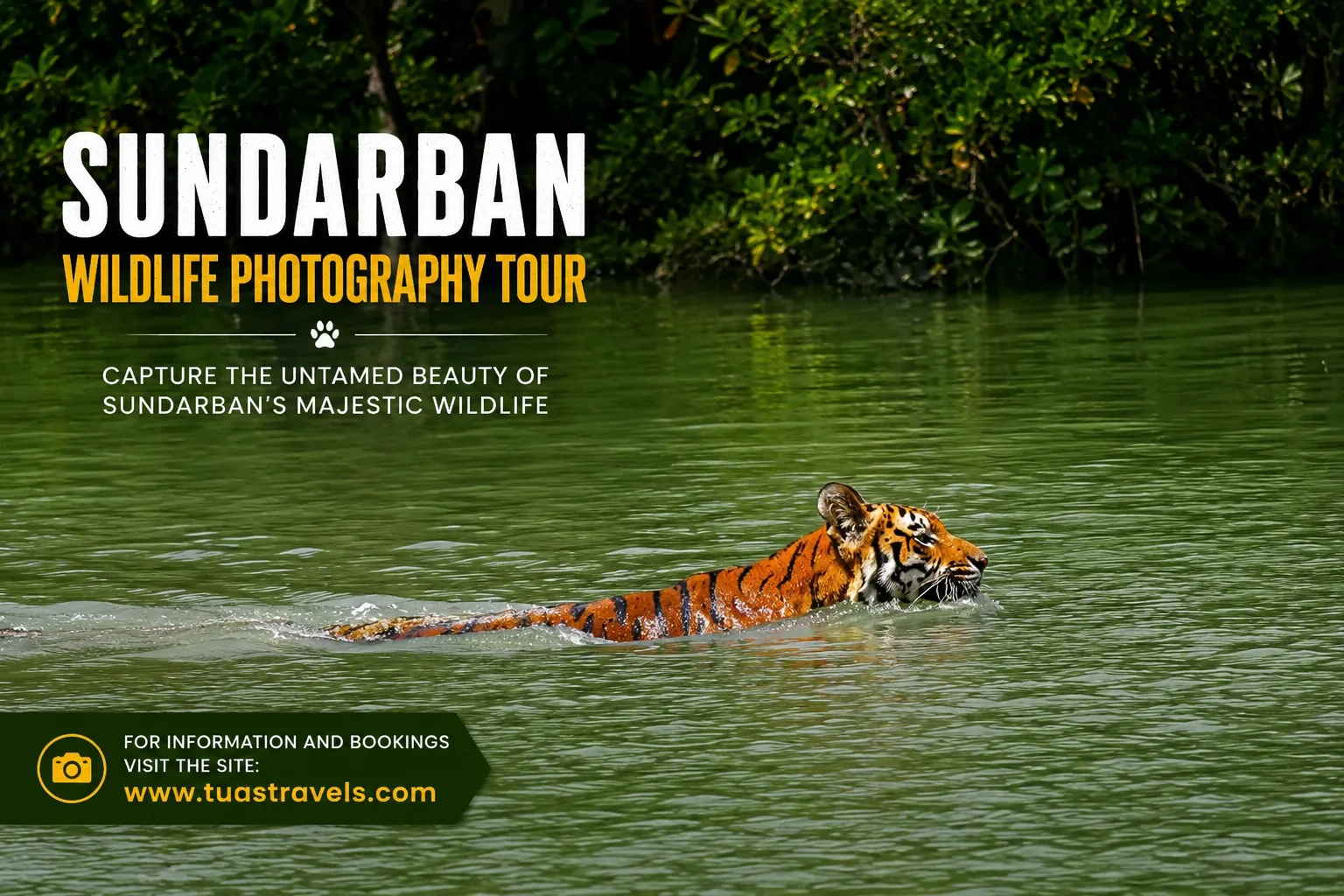
Sundarban Wildlife Photography Tour is an exceptional chance to photograph the rare and elusive animals of the one of the biggest Mangrove Swamps of the world. It is whether you're taking photos of the majestic Royal Bengal Tiger or breathtaking bird or reptile life, the right camera equipment is essential to have for capturing incredible photos. This guide will help you choose the best equipment for a successful Sundarban wildlife photography experience.
There's a time and place for everything, and sometimes it's just a camera
It's important to have a quick and dependable camera while capturing wildlife photographs in the Sundarbans. It is for moving subjects, use a camera with a high frame rate (8-10 fps or more). It is highly responsive autofocus cameras are best for shooting birds on the wing or quick animal actions. The full-frame cameras do well in low lighting levels, which is the norm in dense mangrove forests, hence they are the cameras of preference for professionals.
Take Photos Of Far-Off Animals
It is not uncommon to see wild animals from afar in the Sundarban, particularly during boat safaris. For wildlife photography, you'll need a telephoto lens (200mm to 600mm). The versatile lens—100-400mm lens is ideal for versatility, and can be used to take detailed shots of animals without disturbing them, such as a tiger or a crocodile. It is strongly recommended: image stabilization to minimize the effects of boat movement and produce a clearer image.
The Wide-Angle Lens for Landscapes
The emphasis is on wildlife, but also do not miss the chance to enjoy the magnificence of the mangrove system. A wide-angle lens (16-35mm or equivalent) is ideal for shooting rivers, forests and stunning sunrise and sunset shots. You can add landscapes to your Sundarbans story in your portfolio and make it interesting.
The Extra Batteries and Memory Cards
You may need to take extra batteries on long boat trips and with limited charging facilities, it is essential. The wildlife photography requires a lot of continuous shooting and consequently costs the battery. It is likewise, the high-resolution picture and Burst Mode demands a generous storage capacity. Bring extra memory cards (2-3) just in case there are important shots you miss.
The Camera Bag and Protection
The climate of the Sundarbans may be wet and unstable. Invest in a waterproof and dustproof camera bag and protect the equipment. It is to protect your gear from sudden splashes when you're on a boat, use rain covers or dry bags. It is also possible to control moisture and prevent fogging of the lens by using silica gel packs.
Tripods can be difficult to work on a boat, but a lightweight monopod can be used on the boat and still offer stability. It is useful to minimize the shakes caused by the camera movement, particularly when employing thick tele-photo lenses, in low-light situations.
The Essential Accessories
Other accessories that are helpful are lens cleaning kits, UV filters for protection and polarizing filters to eliminate water reflection. A bean bag can also be helpful for stabilizing your camera on boat edges.
The Final Thoughts
Choosing the right gear can significantly enhance your Sundarban wildlife photography tour experience. When choosing equipment, consider versatility, portability and durability. In this blog, you will learn how to prepare and use the camera for taking beautiful shots and get to know the various types of wildlife of Sundarbans without any hassle.