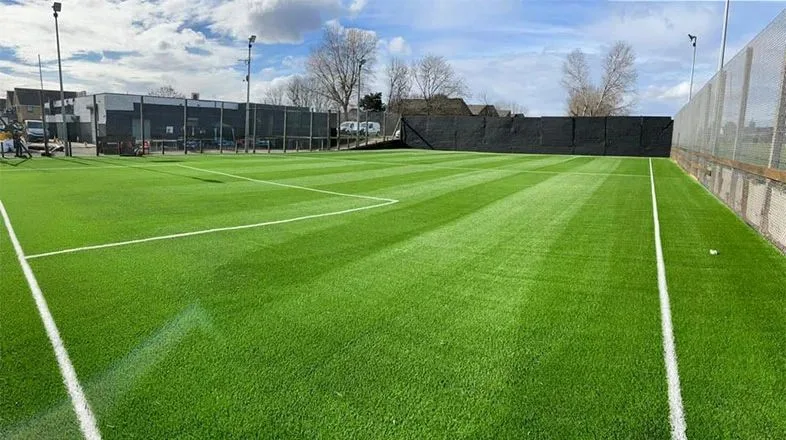
Football demands a surface that can handle constant movement, changing weather, and heavy use. That’s why synthetic grass for football has become a popular choice for clubs, schools, and training grounds.
It offers consistency, durability, and lower maintenance compared to natural grass.
Why Synthetic Grass Works for Football Pitches
Unlike natural turf, synthetic surfaces stay even and playable throughout the year. They don’t develop muddy patches or uneven ground, which helps maintain consistent gameplay.
A well-built pitch uses layered construction, including a compact base, drainage system, and artificial fibres designed for performance.

How It Improves Game Performance
A key advantage of synthetic grass for football is predictable ball movement. The surface remains uniform, which helps players control passes, dribbling, and shots more effectively.
It also provides stable footing, reducing interruptions caused by poor pitch conditions.
All-Weather Playability
Natural pitches often struggle in heavy rain or winter conditions. Matches can be delayed or cancelled due to waterlogged fields, uneven surfaces, or excessive wear.
Synthetic surfaces are designed with built-in drainage systems that allow water to pass through quickly. This keeps the pitch playable in most weather conditions, making it ideal for regular training sessions, matches, and year-round use without interruptions.

Maintenance and Long-Term Benefits
Maintaining a natural pitch requires mowing, watering, and regular repairs. Synthetic turf removes most of these requirements.
Basic upkeep like brushing and debris removal is usually enough. This reduces long-term maintenance costs and keeps the pitch ready for frequent use.
Performance Benefits on the Pitch
One of the biggest advantages of synthetic turf for football field use is consistency.
The ball rolls predictably, and players get reliable traction regardless of weather. This improves gameplay and reduces disruptions caused by poor pitch conditions.
It also allows for frequent use without recovery time, making it ideal for training sessions and tournaments.
Cost Advantages
Maintaining natural grass pitches requires constant effort—mowing, watering, fertilising, and repairing worn areas.
With synthetic grass for a football field, maintenance is much simpler. Occasional brushing and cleaning are usually enough to keep the surface in good condition.
Over time, this reduces maintenance costs and increases pitch availability.

A Practical Choice for Modern Football Facilities
For schools, clubs, and training centres, synthetic grass provides a reliable and cost-effective solution. It ensures consistent performance while reducing maintenance demands.
That’s why more facilities are moving toward synthetic grass for football as a long-term investment—offering durability, usability, and performance that meets the demands of modern play.