
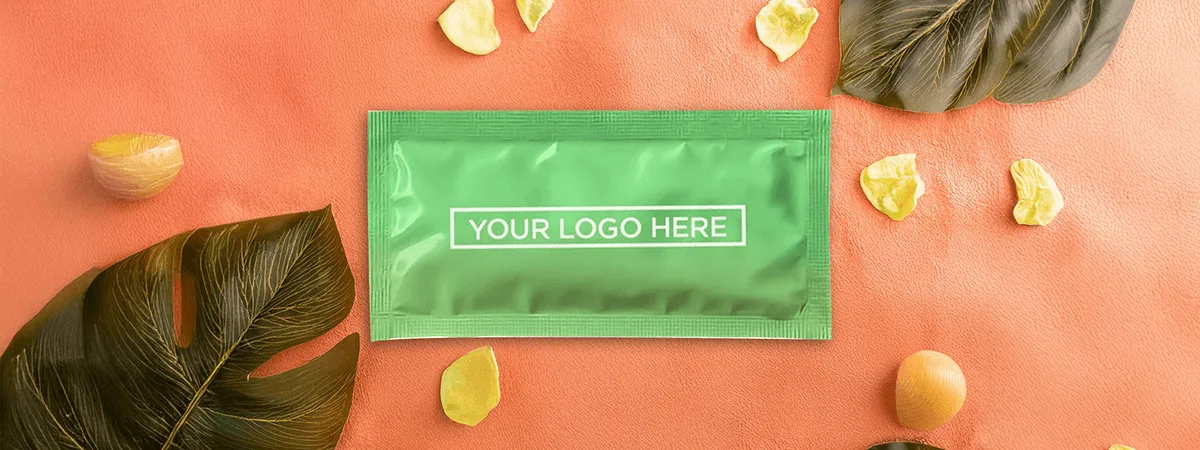
The hospitality industry is making massive strides in reducing its environmental footprint, focusing heavily on single-use items. Dining establishments want to offer excellent hygiene while respecting environmental boundaries. This is where restaurant wet wipes come into play. Diners expect a quick and hygienic way to clean their hands after enjoying a meal, particularly when eating seafood, barbecue, or finger foods. Instead of handing out conventional synthetic napkins that sit in landfills for centuries, modern establishments are sourcing greener alternatives that still provide that refreshing clean.
Supplying this massive demand requires a complete overhaul in production methods. To support these green initiatives, disposable wet wipes manufacturers are actively changing how they formulate and package their products. They are moving away from petroleum-based plastics in their fabrics and exploring plant-based, biodegradable options. By shifting their manufacturing processes, these companies help food service brands maintain high hygiene standards without contradicting their sustainability goals.
The Shift Toward Biodegradable Materials
For decades, single-use wipes were primarily woven from polyester or polypropylene, which meant they would persist in the environment long after a meal ended. Today, establishments are upgrading their restaurant wet wipes to versions made from 100% natural, plant-based fibers. Substrates like bamboo, cotton, and viscose are becoming the new industry standard. These materials are completely biodegradable and compostable, often breaking down in natural environments within a matter of months.
Selecting the right raw materials is the first step in creating a truly sustainable product. Forward-thinking disposable wet wipes manufacturers source renewable materials that require less water and fewer harsh chemicals to process. Viscose, for example, is derived from wood pulp and offers an incredibly soft texture that feels premium on the skin. By utilizing these natural fibers, producers ensure the final wipe is durable enough for heavy-duty cleaning but gentle enough for the earth once it is thrown away.
Moving Beyond Conventional Plastic Packaging
The wipe itself is only half of the environmental equation. The packaging that holds restaurant wet wipes is equally important, especially since these are handed out as individual single-use sachets. Traditionally, these sachets were made from mixed-material foil and plastic films that were virtually impossible to recycle. Now, the focus is on utilizing mono-materials and recyclable films that protect the product from drying out while remaining eco-friendly.
To ensure the wipes stay fresh without harming the planet, disposable wet wipes manufacturers are investing in alternative packaging technology. They are developing custom sachet wrappers made from fully recyclable plastics or compostable bioplastics. These new packaging options maintain an airtight seal, guaranteeing the product retains its moisture and effectiveness. This shift in packaging design drastically reduces the amount of single-use plastic waste generated by the food service industry every single day.
Elevating the Guest Experience Sustainably
Hygiene products do not have to be boring or purely utilitarian. A custom-designed, individually wrapped wipe acts as a miniature billboard for a dining establishment. Upgrading to customized options offers distinct advantages:
- Visual Brand Reinforcement: Establishments can print their logos, brand colors, and unique imagery directly onto the sachet to bring their branding to life.
- Effective Odor Neutralization: High-quality wipes remove the strong aromas of specific dishes, leaving customers feeling completely revitalized.
- Enhanced Customer Perception: Providing a tailored hygiene product reflects a commitment to excellence and client happiness.
Aromatic Scents and Natural Ingredients
Scent plays a massive role in how clean we feel after eating. Incorporating natural, soothing fragrances into restaurant wet wipes helps neutralize strong food aromas without overwhelming the senses. Establishments can choose from a variety of refreshing scents such as lemon, rose, aloe, and lavender to match their specific vibe. These gentle, water-based formulations leave the patron feeling refreshed without leaving a sticky or heavy chemical residue on their hands.
Ensuring Long Shelf Life and Quality
One major concern when switching to natural materials is whether the product will last in storage. Fortunately, modern production techniques ensure that these natural wipes maintain a robust shelf life. Even with biodegradable substrates and eco-friendly packaging, a well-manufactured wipe can offer up to an 18-month shelf life. This allows businesses to order in bulk, enjoying unbeatable wholesale prices without worrying that their hygiene products will dry out or degrade before they can be used.
Conclusion
The transition toward green hygiene is no longer just a passing trend; it is a permanent industry shift. Consumers are increasingly aware of their environmental impact and expect the places they dine at to share those same values. Providing a high-quality, fragrant, and custom-branded wipe is an easy yet impactful way to meet these expectations while keeping patrons clean and comfortable.
By prioritizing renewable materials, recyclable packaging, and gentle ingredients, the industry is proving that single-use hygiene can coexist with environmental responsibility. This progress is largely driven by the innovation of disposable wet wipes manufacturers who continue to refine their processes and offer better solutions. For any dining establishment looking to boost its branding while staying green, partnering with Custom Print Wet Wipes is a simple choice that leaves a lasting, positive impression.