
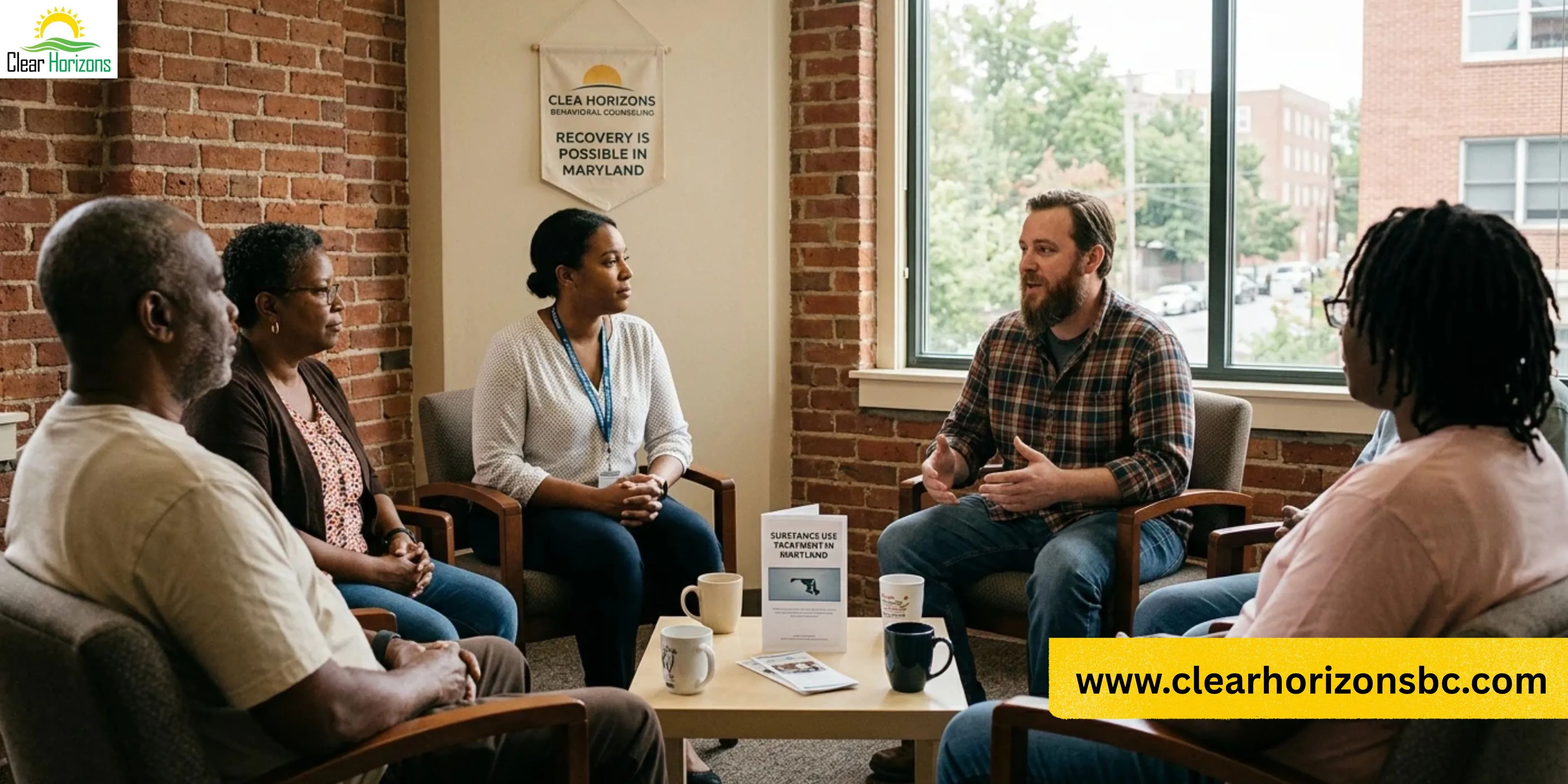
Substance use can gradually affect a person's health, relationships, career, and emotional well-being. What may begin as an attempt to manage stress or emotional pain can develop into a pattern that becomes difficult to control. For individuals and families facing these challenges, finding appropriate substance use disorder treatment in Maryland can be an important step toward a healthier, more stable future.
Recovery is not simply about stopping alcohol or drug use. It often involves understanding underlying emotional difficulties, developing healthier coping strategies, rebuilding trust, and learning how to manage everyday challenges without relying on substances. With professional guidance and an individualized treatment plan, people can work toward meaningful, long-term recovery.
Understanding Substance Use Disorder and Its Impact
Substance use disorder (SUD) is a health condition characterized by difficulty controlling substance use despite its negative consequences. It can involve alcohol, opioids, prescription medications, stimulants, cannabis, and other substances.
The condition affects people from different backgrounds and age groups. Financial pressure, traumatic experiences, relationship difficulties, anxiety, depression, and chronic stress can contribute to substance-related challenges. However, no single factor explains every person's experience.
Recognizing the warning signs can help individuals seek support earlier. Common indicators include:
- Experiencing strong cravings or repeatedly using more than intended.
- Struggling to reduce or stop substance use.
- Neglecting work, education, family responsibilities, or personal health.
- Continuing to use substances despite relationship conflicts or health concerns.
- Depending on alcohol or drugs to manage difficult emotions.
Recognizing these patterns is not a reason for shame. It is an opportunity to explore treatment options and identify the support needed to move forward.
What to Expect From Substance Use Disorder Treatment in Maryland
Choosing treatment can feel overwhelming, especially when someone is unsure what type of care they need. Effective substance use disorder treatment begins with understanding the individual's circumstances, medical history, emotional health, and recovery goals.
1. Comprehensive Assessment and Personalized Planning
A professional assessment helps determine the severity of substance-related concerns and identify any co-occurring mental health conditions. Providers may consider previous treatment experiences, withdrawal risks, family relationships, and daily responsibilities when recommending appropriate care.
Treatment plans should reflect individual needs rather than follow a one-size-fits-all approach. Depending on the assessment, options may include outpatient counseling, intensive outpatient programs, residential treatment, medical care, or a combination of services.
2. Individual and Group Counseling
Counseling can help people recognize triggers, understand patterns of behavior, and develop practical alternatives to substance use. Cognitive behavioral therapy, motivational interviewing, and other evidence-based approaches may help individuals strengthen motivation, manage cravings, and respond more effectively to stressful situations.
Group counseling can also provide opportunities to learn from others who understand the challenges of recovery. Sharing experiences in a supportive environment may reduce isolation and encourage accountability.
3. Medication and Medical Support When Appropriate
Some substance use disorders benefit from medication alongside counseling. For example, medications such as buprenorphine, methadone, and naltrexone may be appropriate for certain individuals with opioid use disorder, depending on their clinical circumstances.
Medication decisions should be made with qualified healthcare professionals. Alcohol or benzodiazepine withdrawal can sometimes be dangerous, so individuals who may be physically dependent should seek medical guidance rather than attempting to stop suddenly without supervision.
The Substance Abuse and Mental Health Services Administration (SAMHSA) provides additional information about evidence-based treatment options and recovery resources.
Addressing Trauma and Emotional Health During Recovery
Substance use and mental health challenges can occur together. Some people use substances to cope with distressing memories, persistent anxiety, depression, or experiences they have struggled to process. Treating substance-related concerns without considering these underlying difficulties may leave important recovery needs unaddressed.
Trauma-informed counseling can help individuals explore emotional triggers and develop healthier responses in a supportive setting.
For some people, EMDR therapy in Maryland may be considered as part of treatment for post-traumatic stress and other trauma-related symptoms. Eye Movement Desensitization and Reprocessing (EMDR) is a structured psychotherapy that helps people process distressing memories. Its suitability depends on an individual's needs, clinical assessment, and treatment readiness.
People researching EMDR therapy Baltimore or EMDR therapists in Baltimore MD should look for appropriately licensed professionals with relevant training and experience. Similarly, EMDR counseling Maryland services may be worth exploring when unresolved trauma is contributing to emotional distress.
EMDR is not a universal treatment for substance use disorder. When trauma and substance use occur together, clinicians can help determine whether trauma-focused therapy should be integrated into a broader recovery plan.
The Importance of Family Support and Counseling
Substance use can affect an entire household. Family members may experience worry, frustration, financial strain, or uncertainty about how to help without enabling harmful behaviors. Children may also be affected by disrupted routines, conflict, or changes in their relationships with caregivers.
Child and family counseling can offer a structured environment for improving communication, establishing healthy boundaries, and addressing emotional concerns. Family involvement may help rebuild trust and create a more supportive home environment when it is appropriate and safe.
Loved ones should remember that they cannot control another person's recovery. They can, however, encourage professional help, communicate concerns respectfully, and seek support for their own well-being.
A compassionate approach that avoids blame can make conversations about treatment more productive. Recovery may involve setbacks, but consistent support and clear boundaries can help families navigate the process.
How Telehealth Can Improve Access to Treatment
Travel, work schedules, caregiving responsibilities, and concerns about privacy can make attending regular appointments difficult. Virtual behavioral healthcare offers another way to access professional support when clinically appropriate.
Through telehealth addiction treatment, individuals may be able to participate in counseling, follow-up appointments, and certain treatment-related consultations from a private location. Telehealth can also help maintain continuity of care when transportation or scheduling becomes a barrier.
People exploring Maryland telepsychiatry or telepsychiatry Maryland services can ask providers whether virtual psychiatric evaluations, medication management, or follow-up appointments are available for their needs.
Virtual care is not suitable for every situation. Severe withdrawal symptoms, overdose, or other medical emergencies require immediate medical attention. A qualified provider can help determine whether remote care, in-person treatment, or a combination of services offers the safest and most effective approach.
Building a Sustainable Recovery Plan
Completing an initial course of treatment is an important achievement, but ongoing support can help individuals maintain progress as they return to everyday responsibilities.
A practical recovery plan may include:
- Identifying personal triggers and developing strategies for managing cravings.
- Establishing consistent sleep, nutrition, exercise, and self-care routines.
- Maintaining appointments with therapists, physicians, or other treatment professionals.
- Building supportive relationships and participating in recovery communities.
- Preparing for stressful situations and recognizing early warning signs of recurrence.
Recovery does not look the same for everyone. Progress may involve improved emotional regulation, stronger relationships, fewer substance-related harms, or sustained abstinence, depending on the individual's goals and clinical plan.
The key is to keep treatment responsive to changing needs rather than viewing recovery as a single event.
Finding Compassionate Behavioral Health Support in Maryland
Taking the first step toward treatment can be difficult, but people do not have to navigate the process alone. Finding a provider who listens without judgment, explains available options, and respects individual goals can make seeking help feel more manageable.
Clear Horizons Behavioral Counseling offers behavioral health services in Maryland, including substance use treatment and support for related mental health concerns. Its approach emphasizes individualized care, evidence-based therapeutic methods, and accessible services, including virtual care options where appropriate.
Individuals considering treatment can begin by discussing their concerns, asking about available services, and determining which level of care best fits their needs. It is also helpful to confirm insurance coverage, appointment availability, provider qualifications, and whether medical services are required.
Recovery begins with a conversation, not perfection. If substance use is affecting your life or someone you care about, consider reaching out to a qualified behavioral health professional to discuss the next steps.
For additional guidance, SAMHSA's National Helpline at 1-800-662-HELP (4357) provides free, confidential treatment referral and information services in the United States. In an emergency, call 911.
With the right combination of professional care, practical coping strategies, and ongoing support, a healthier future can become a realistic goal.