A stroke can be a life-changing event, but recovery is possible with the right medical care, rehabilitation, and support. While emergency treatment focuses on saving brain tissue and stabilizing the patient, the recovery phase plays a crucial role in restoring independence and improving quality of life.
Understanding what to expect after a stroke helps patients and families prepare mentally, physically, and emotionally for the rehabilitation journey.
What Happens After a Stroke?
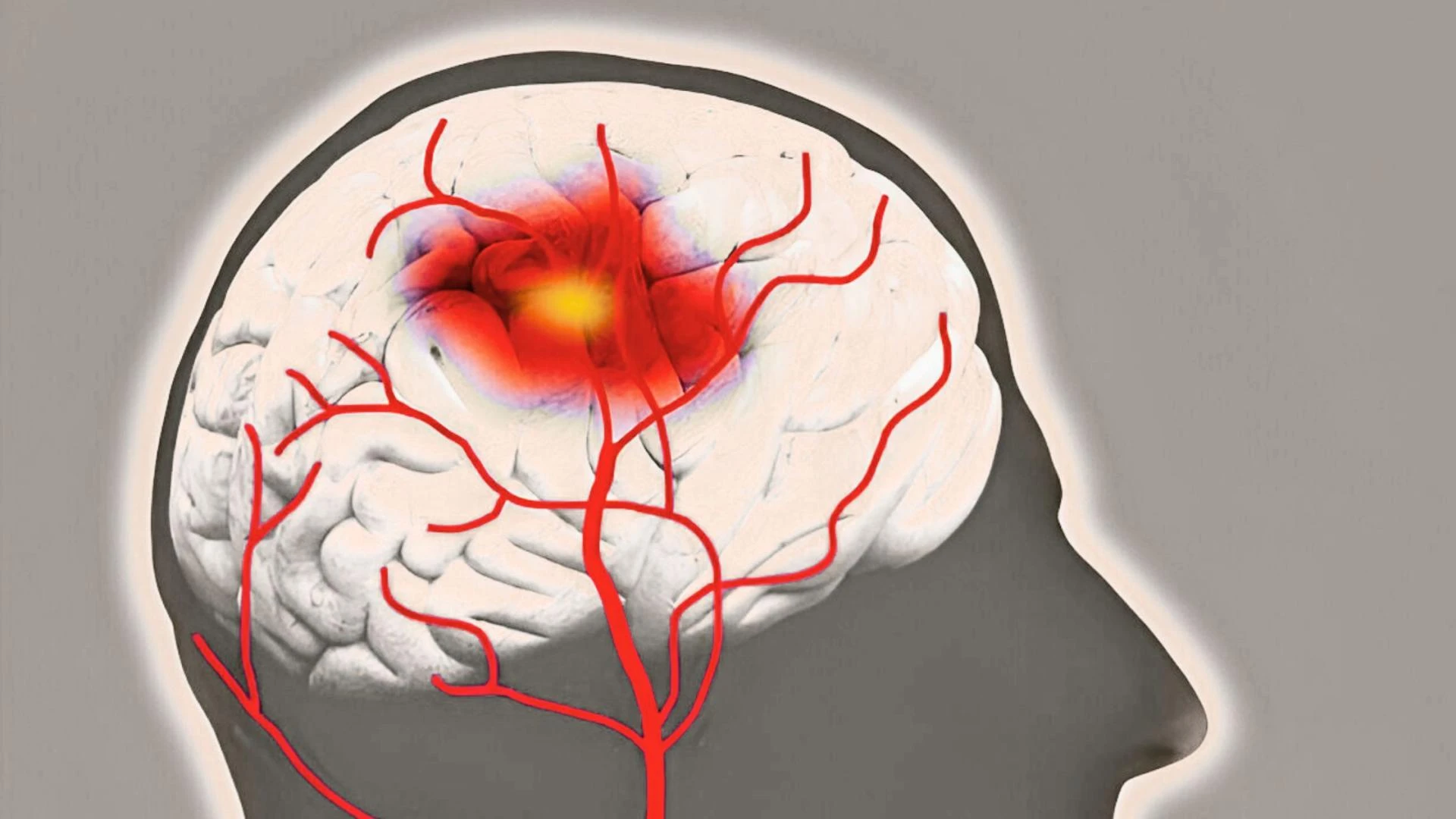
Once a stroke is treated in the emergency phase, doctors assess the extent of brain damage. The impact varies depending on:
- The type of stroke (ischemic or hemorrhagic)
- The area of the brain affected
- How quickly treatment was received
- The patient’s overall health
Common post-stroke challenges include weakness on one side of the body, speech difficulties, memory problems, emotional changes, and difficulty performing daily tasks.
The Importance of Early Rehabilitation
Stroke rehabilitation often begins within 24–48 hours after stabilization. Early therapy improves recovery outcomes by helping the brain rewire itself through a process called neuroplasticity — the brain’s ability to form new neural connections.
Rehabilitation is typically multidisciplinary and may include:
- Physical therapy to improve strength and mobility
- Occupational therapy to relearn daily activities
- Speech therapy for communication and swallowing issues
- Cognitive therapy for memory and thinking skills
The sooner rehabilitation starts, the better the chances of regaining lost functions.
Stages of Stroke Recovery
1. Acute Phase (First Few Days)
Focus is on stabilizing the patient and preventing complications such as blood clots, infections, or additional strokes.
2. Subacute Phase (Weeks to Months)
This is the most active recovery period. Intensive therapy helps restore movement, speech, and coordination.
3. Long-Term Recovery (Months to Years)
Progress may slow, but improvements can continue with consistent therapy and lifestyle changes.
Choosing the Right Rehabilitation Facility
Comprehensive stroke recovery requires specialized care, advanced therapy equipment, and experienced rehabilitation professionals. Access to a dedicated stroke unit and personalized rehab programs significantly improves long-term outcomes.
For advanced neuro-rehabilitation and comprehensive stroke management, choosing the best stroke hospital in India ensures patients receive expert-led therapy, cutting-edge technology, and holistic recovery support tailored to their needs.
Emotional and Psychological Recovery
Stroke doesn’t only affect the body — it also impacts emotional health. Many survivors experience:
- Depression
- Anxiety
- Mood swings
- Frustration due to physical limitations
Emotional support, counseling, and family involvement are essential components of full recovery.
Factors That Influence Recovery
Recovery speed and success depend on several factors:
- Size and location of the stroke
- Age of the patient
- Overall physical health
- Motivation and family support
- Access to quality rehabilitation services
Patients who remain consistent with therapy and adopt healthy lifestyle habits often achieve better outcomes.
Preventing a Second Stroke
After recovery begins, preventing another stroke becomes a priority. Doctors may recommend:
- Blood pressure control
- Blood thinners (if prescribed)
- Diabetes management
- Healthy diet and exercise
- Smoking cessation
Following medical advice carefully reduces the risk of recurrence.
Final Thoughts
Stroke recovery is a gradual process that requires patience, dedication, and expert medical guidance. While the journey can be challenging, early intervention and structured rehabilitation significantly improve the chances of regaining independence.
With specialized care, modern rehabilitation techniques, and strong support systems, many stroke survivors go on to live fulfilling and productive lives.