
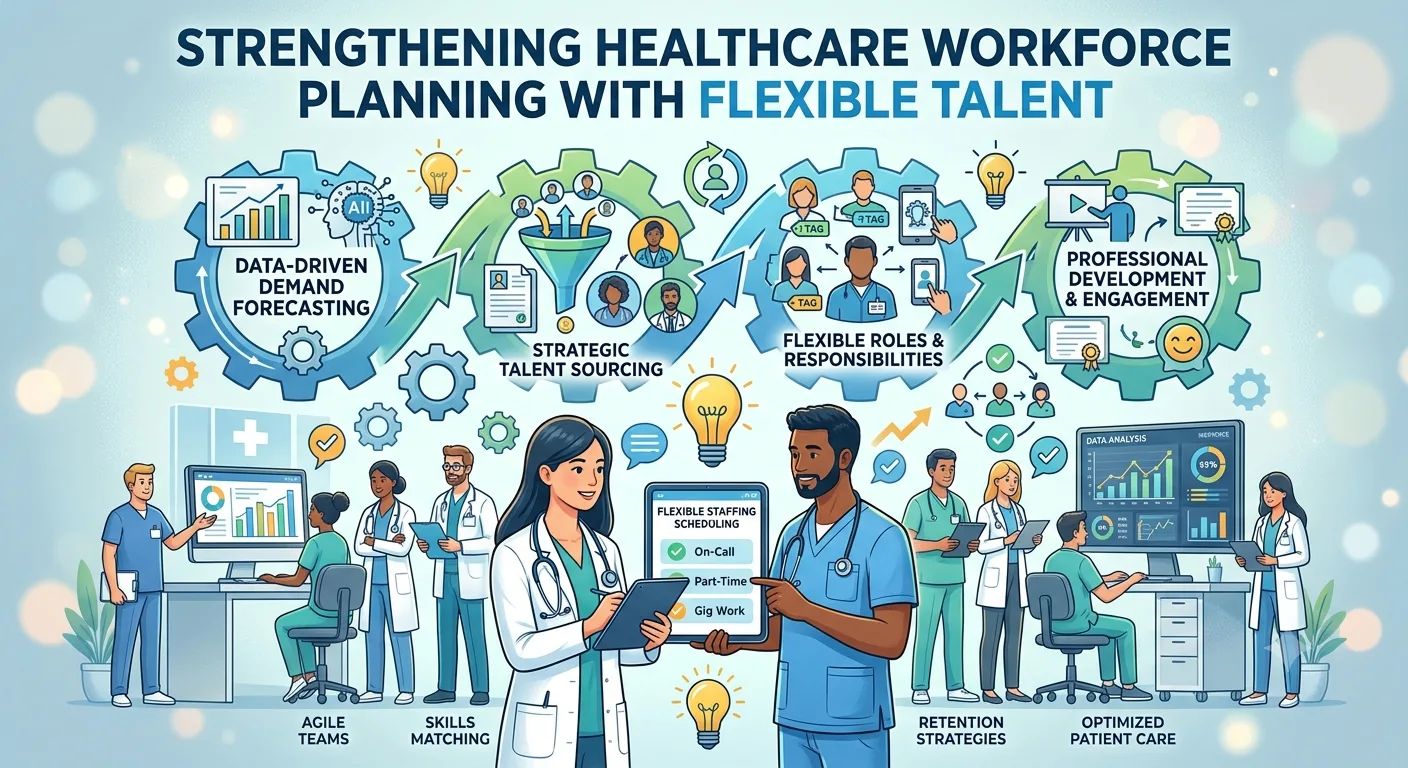
Healthcare organizations depend on skilled professionals to provide safe, consistent, and compassionate care. When staffing levels fall below what a facility needs, employees can experience additional pressure and patients may not receive the level of support they deserve. This is why choosing a reliable healthcare support staffing agency can be an important part of workforce planning.
Why Healthcare Staffing Requires a Specialized Approach
Healthcare recruitment is different from many other industries. Facilities are not simply looking for people who can perform general workplace duties. They often require professionals with specific education, credentials, experience, licenses, and clinical skills.
Recruitment teams therefore need to understand the requirements associated with different healthcare positions. They must also consider availability, shift preferences, work environments, and the responsibilities associated with each role.
A successful placement depends on finding someone whose qualifications and experience match the actual needs of the facility.
Supporting Different Healthcare Environments
Healthcare professionals work in many different settings. Hospitals, clinics, rehabilitation centers, long-term care facilities, behavioral health organizations, and community-based services may all have different staffing requirements.
For example, a hospital may need professionals who are comfortable working in a fast-paced environment, while a long-term care facility may place greater emphasis on continuity, patience, and experience supporting older adults.
Staffing solutions should reflect these differences instead of treating every healthcare position the same.
Managing Workforce Shortages
Healthcare facilities can experience staffing shortages for many reasons. Employees may take vacation, become unavailable unexpectedly, leave their positions, or move into different roles.
Patient volumes can also change. A facility may suddenly require additional staff because of increased demand.
Flexible staffing can help organizations respond to these situations. Instead of relying entirely on permanent recruitment, facilities can use temporary, per diem, contract, or other staffing arrangements based on their operational needs.
The Value of Qualified Professionals
Quality should remain a priority throughout recruitment. Filling an open position quickly is useful only if the professional is capable of meeting the responsibilities of the role.
Healthcare employers should evaluate:
- Education and professional training
- Required licenses
- Relevant certifications
- Previous experience
- Clinical or professional skills
- Communication abilities
- Availability
- Experience in similar healthcare settings
A thorough screening process can reduce the risk of unsuitable placements.
Reducing Pressure on Internal Teams
Recruitment can require significant administrative work. Human resources teams may have to advertise positions, review applications, communicate with applicants, arrange interviews, and manage hiring paperwork.
External staffing support can reduce some of this workload. Recruitment professionals can help identify candidates and coordinate the early stages of the hiring process.
This allows healthcare administrators and internal HR teams to spend more time on workforce planning, employee development, compliance, and organizational priorities.
Flexible Staffing for Changing Demand
One of the biggest advantages of flexible staffing is adaptability.
Healthcare organizations may not always know exactly how many professionals they will need several months from now. Patient demand can change, new services can be introduced, and employee availability can fluctuate.
Flexible workforce solutions provide organizations with additional options. A facility may use temporary professionals during a particularly busy period and adjust staffing levels when demand returns to normal.
Improving Workforce Continuity
Staffing is not only about filling shifts. Continuity matters because healthcare professionals become familiar with workplace procedures, teams, and patient needs.
When organizations consistently work with reliable professionals, they can build stronger workforce stability. Clear expectations and effective communication between staffing providers and facilities can also improve the experience for both employees and managers.
Communication Is Essential
Healthcare staffing works best when communication is straightforward.
Facilities should clearly explain:
- Position responsibilities
- Required qualifications
- Shift schedules
- Workplace expectations
- Start dates
- Contract or assignment details
Recruiters should communicate these expectations to candidates before placement. This reduces misunderstandings and helps professionals determine whether an opportunity is suitable for them.
Supporting Professionals as Well as Facilities
A strong staffing model should benefit both sides of the employment relationship.
Healthcare professionals may be looking for flexible schedules, new experiences, career development, or opportunities to work in different environments. Facilities, meanwhile, need dependable people who can contribute to patient care.
When recruiters understand both perspectives, they can create better matches.
A Strategic Workforce Solution
Healthcare organizations cannot always predict every staffing challenge. However, they can prepare for workforce changes by developing relationships with reliable recruitment partners.
Professional staffing support can provide access to qualified candidates, reduce recruitment pressure, and give healthcare facilities greater flexibility when staffing requirements change.
The goal should not simply be to place someone in an open position. The goal is to create a match that works for the professional, the organization, and ultimately the people receiving care.
A thoughtful staffing strategy can help healthcare organizations maintain workforce flexibility while continuing to focus on quality, efficiency, and patient-centered service.
For more detailes visit site - https://empowercare.us/


