The Cinematic Landscape: A Snapshot of 2026
On a crisp evening in March 2026, the global box office reported a remarkable milestone: worldwide movie revenue surpassed $70 billion for the first time since the pandemic-era disruptions. This resurgence underscores not only the enduring appeal of movies but a profound transformation that the film industry has undergone in recent years. As audiences flock back to theaters and streaming platforms alike, movies in 2026 are a fusion of art, technology, and innovative distribution models. The combination of immersive storytelling and cutting-edge technology marks a new chapter for cinema, one that blends the traditional silver screen experience with digital interactivity and personalized content.
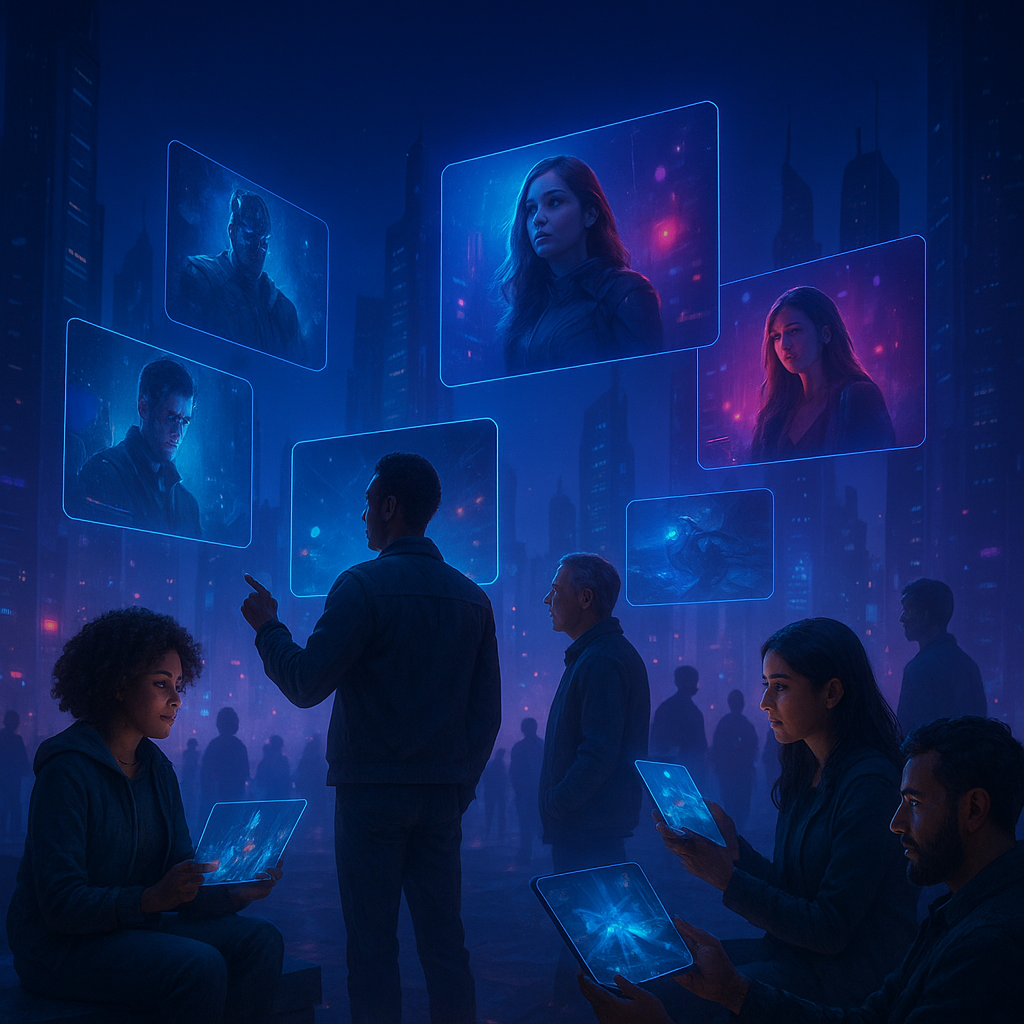
Consider the recent blockbuster "Neon Horizon," which integrated real-time audience-driven plot shifts using AI analytics, drawing both critical acclaim and commercial success. This exemplifies how films today are evolving from passive experiences into dynamic interactions. According to industry estimates, the global theatrical attendance grew by 15% in 2025, while streaming subscriptions plateaued, indicating a balancing act between old-school cinema and new-age viewing.
"The film industry in 2026 is no longer just about storytelling; it’s about co-creating narratives with the audience," notes Dr. Lena Hart, a film technology expert at the University of Southern California.
Such shifts highlight a pivotal moment in cinematic history. Understanding how we arrived here requires a look back at the technological and cultural milestones that shaped the contemporary film ecosystem.
From Silver Screen to Streaming Giants: How We Got Here
The journey of movies from analog celluloid to digital spectacles has been rapid and relentless. The early 2000s saw the rise of digital filmmaking, which democratized production and lowered costs. However, the true game-changer was the explosion of streaming platforms in the 2010s and early 2020s, led by giants such as Netflix, Amazon Prime, and Disney+. These services revolutionized content consumption by offering on-demand access to vast libraries, fundamentally altering how audiences engaged with films.
By 2020, the COVID-19 pandemic accelerated shifts that were already underway. Theaters closed worldwide, forcing studios to reconsider distribution. Hybrid releases, day-and-date streaming, and premium video on demand (PVOD) became common, permanently altering revenue streams and marketing strategies. Studios like Warner Bros. and Universal adopted flexible models that blurred the lines between theatrical and home viewing.
Simultaneously, technological advances such as 4K HDR, Dolby Atmos, and VR integrations enhanced both home and theater viewing experiences. The rise of artificial intelligence and machine learning began influencing script development, casting decisions, and post-production, optimizing content for specific demographics.
Moreover, globalization expanded the market, with films from South Korea, India, and Nigeria gaining unprecedented global visibility. The 2024 Cannes Film Festival showcased a record number of international co-productions, reflecting the interconnected nature of modern cinema.
"The pandemic was a catalyst, but the transformation was inevitable. The industry was moving towards a hybrid, tech-driven future," affirms Ravi Kumar, senior analyst at MediaScope International.
Data-Driven Analysis: Market Trends and Audience Behavior in 2026
Examining quantitative data from the past three years reveals how the movie industry has balanced tradition and innovation. According to Statista, global box office revenue climbed steadily from $42 billion in 2023 to $70 billion in early 2026, with North America and Asia-Pacific leading growth. Streaming services, meanwhile, saw subscriber numbers stabilize around 1.6 billion globally, signaling market saturation but also fierce competition for viewer attention.
Key performance indicators for films now extend beyond ticket sales and streaming views to include social media engagement, AI-driven sentiment analysis, and virtual event attendance. Studios employ sophisticated algorithms to predict box office performance, tailor marketing campaigns, and even adjust content mid-release.
Top 5 Market Insights for 2026 Movies
- Hybrid Release Models Dominate: Over 65% of major studio films use a combination of theatrical and streaming releases.
- Interactive Films Gain Traction: More than 20% of new releases feature audience interaction elements, a 10% increase from 2023.
- International Co-Productions Rise: 40% of top-grossing films are international collaborations, compared to 25% in 2020.
- AI in Filmmaking: Nearly 30% of studios integrate AI in scriptwriting or post-production workflows.
- Sustainability Efforts: Eco-friendly production practices are standard on 70% of sets, reflecting industry commitment.
These trends indicate a maturing market that balances commercial imperatives with technological experimentation and cultural sensitivity. The rise of sustainable filmmaking also reflects broader societal values shifting towards environmental awareness.
Audience demographics have diversified as well. Gen Z and Alpha generations exhibit preferences for shorter formats, interactive content, and social viewing experiences, reshaping how studios develop and distribute movies.
Current Developments Shaping Movies in 2026
The current year has introduced several groundbreaking developments. First, virtual production techniques pioneered by projects like "The Mandalorian" have become industry standard, reducing location costs and enabling unprecedented creative control. The integration of volumetric capture technology allows filmmakers to create hyper-realistic digital doubles and environments, enhancing visual storytelling.
Secondly, decentralized content platforms built on blockchain technology have emerged, offering new ways for independent filmmakers to fund, distribute, and monetize their work without traditional gatekeepers. This democratization is fostering a renaissance in indie cinema, with more diverse voices entering the mainstream.
Another significant evolution is the growth of AI-powered dubbing and subtitling, which has accelerated the international reach of movies. Films can now be localized in dozens of languages within days of release, dramatically expanding global accessibility.
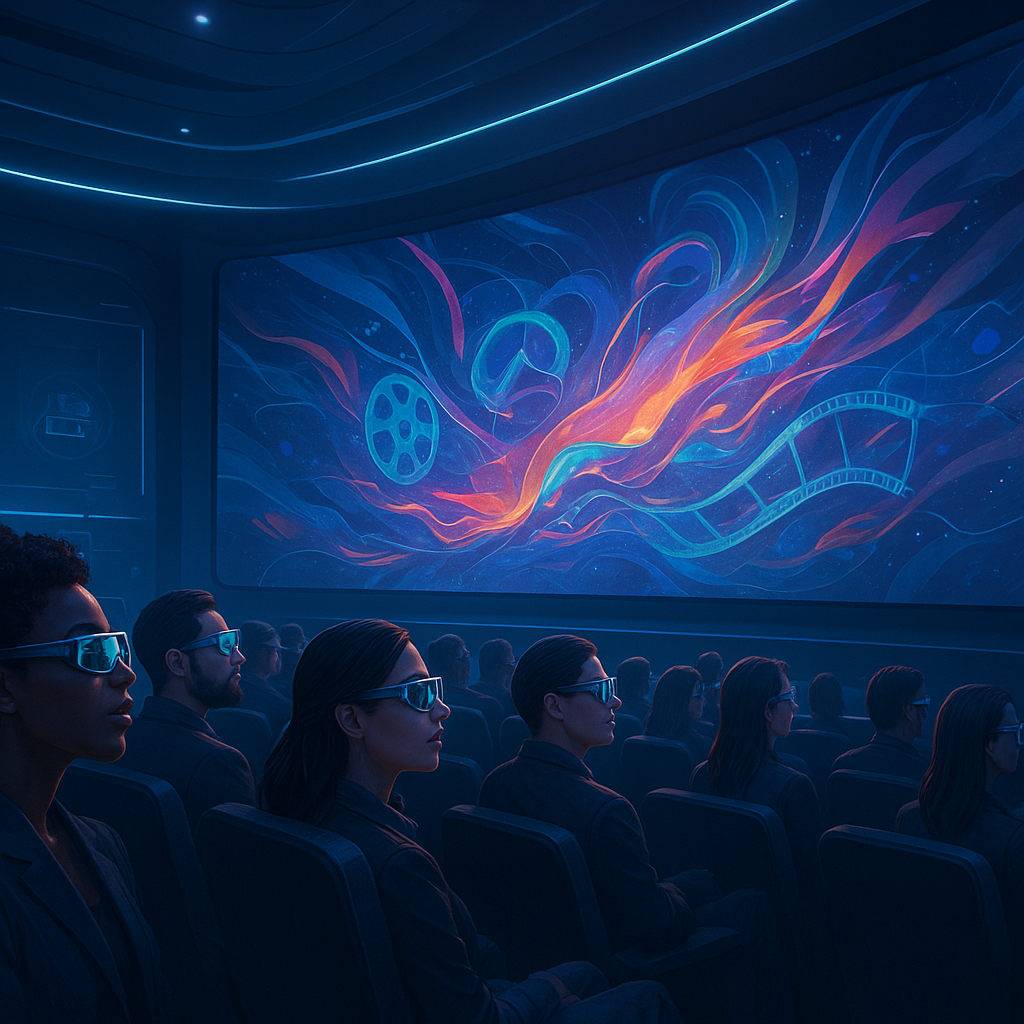
Moreover, immersive cinema experiences utilizing mixed reality (MR) combine physical and virtual elements, attracting audiences seeking novel forms of engagement. Several theaters have begun offering MR-enhanced screenings where viewers interact with story elements through wearable devices.
"We are witnessing the convergence of cinema and gaming, creating new narrative possibilities and audience experiences," explains Maya Chen, head of content innovation at Lumiere Studios.
On the business front, mergers and acquisitions continue reshaping the industry's structure. The 2025 acquisition of StreamVerse by the global conglomerate MediaCore has consolidated distribution channels, prompting regulatory scrutiny but also promising streamlined content delivery.
Industry labor dynamics are also evolving. With AI tools taking over routine editing and visual effects tasks, creative professionals are focusing more on high-level storytelling and innovation, sparking new debates about artistic integrity and employment.
Expert Perspectives and Industry Impact
Leading voices in the film industry emphasize adaptation and inclusivity as critical factors for future success. Veteran director Ava Martinez highlights the importance of storytelling that resonates across cultures, saying,
"Cinema must reflect the diversity of our world, not just in front of the camera but behind it as well. This enriches narratives and expands audiences."
Producers also underscore the necessity of balancing creative risk with financial viability. The rise of AI and data analytics aids in this, but human intuition remains irreplaceable. Industry insiders predict that collaboration between technologists and artists will be the key to unlocking new cinematic frontiers.
From an economic perspective, the ripple effects of a thriving movie sector extend beyond entertainment. Job creation spans from tech development to hospitality and tourism, with film-induced tourism continuing to grow as locations gain popularity from blockbuster exposure.
Regulatory bodies are increasingly involved in digital rights management and ethical AI use in movies. The debate around AI-generated content and intellectual property is shaping new policies aimed at protecting creators without stifling innovation.
Meanwhile, film festivals are reinventing themselves to showcase hybrid works that combine traditional cinema with interactive and immersive elements, reflecting broader cultural shifts.
Looking Ahead: What to Watch for in the Future of Movies
The next decade promises even more transformative changes. Industry forecasts suggest increasing integration of artificial intelligence not only in production but also in personalized content curation, allowing audiences to experience multiple narrative pathways tailored to their preferences.
Technological advancements such as holographic cinema and fully immersive virtual reality theaters are expected to become commercially viable, fundamentally shifting how stories are consumed. This could redefine the concept of audience engagement, turning passive viewers into active participants.
Moreover, sustainability will remain a central concern, with studios investing heavily in carbon-neutral productions and circular economy models for physical sets and costumes.
- Expansion of Interactive Storytelling: Films offering branching narratives and user choices will become mainstream.
- AI-Driven Personalization: Viewers will receive movie recommendations and customized edits based on emotional and behavioral data.
- Global Collaborative Projects: Cross-cultural productions leveraging diverse talent pools will dominate.
- Environmental Responsibility: Green filmmaking will be a standard, not an option.
- New Distribution Models: Blockchain and decentralized platforms will empower independent creators.
For audiences and creators alike, these developments demand adaptability and openness to new formats. Those interested in the intersection of technology and culture might also enjoy exploring related insights on Cybersecurity in 2026 and Education in 2026, which detail the broader digital transformations influencing entertainment.
Ultimately, movies in 2026 represent a vibrant ecosystem where tradition meets innovation, storytelling embraces technology, and audiences are more engaged than ever before. The cinematic journey continues to unfold, promising new experiences that captivate, challenge, and inspire.