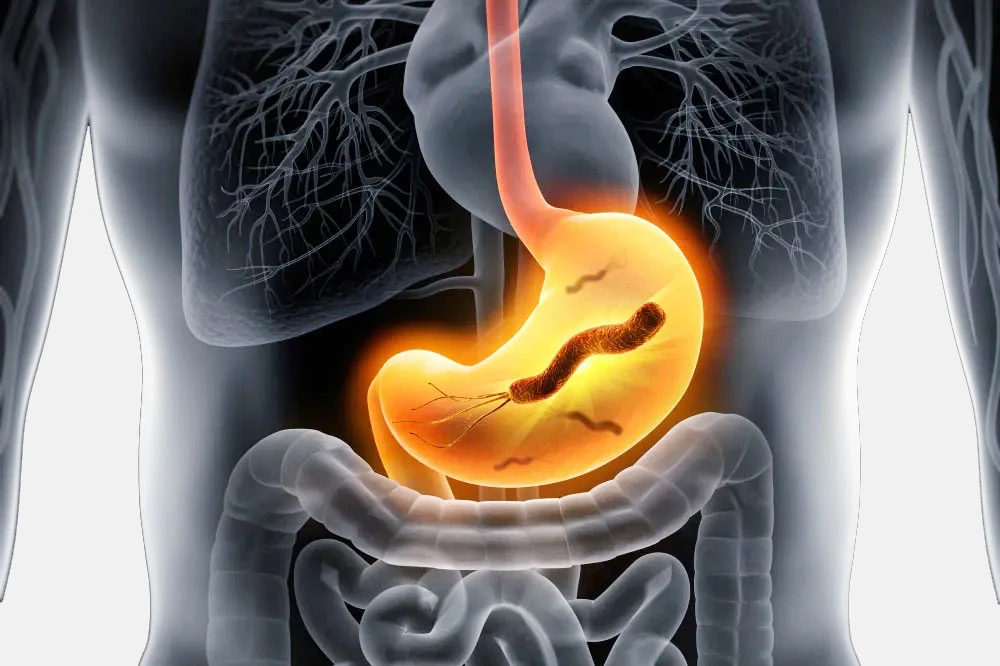
A stomach infection can disrupt your routine in ways you least expect. From sudden abdominal cramps to bouts of nausea and diarrhoea, it can leave you feeling weak, dehydrated, and anxious about your health. While it’s often considered a temporary illness, a stomach infection can have a lasting impact on your digestive system if not managed correctly. Understanding its causes, symptoms, and effects on digestion is crucial, especially in India where waterborne and foodborne infections are common due to climatic and hygiene factors.
Let’s take a closer look at what really happens when you get a stomach infection, what causes it, and how you can protect your digestive health effectively.
Understanding Stomach Infection
A stomach infection, medically referred to as gastroenteritis, occurs when harmful microorganisms such as bacteria, viruses, or parasites enter your digestive system and cause inflammation in the stomach and intestines. This condition disrupts the normal digestive process, leading to discomfort and an array of symptoms that can range from mild to severe.
In India, stomach infections are particularly prevalent during the monsoon season, when contaminated water and improperly cooked food become common culprits. Consuming roadside food, unwashed fruits, or untreated water can easily expose individuals to infection-causing germs.
While most stomach infections resolve within a few days, some cases can turn serious—especially among children, older adults, and those with weakened immunity.
Causes of Stomach Infection
The causes of stomach infection are multifactorial, but they primarily revolve around the entry of infectious agents into the digestive tract. Let’s explore the most common sources:
1. Bacterial Infection
Bacteria like E. coli, Salmonella, Shigella, and Campylobacter are leading causes of bacterial stomach infections in India. These bacteria often thrive in contaminated water or food that has not been cooked or stored properly. Consuming undercooked meat, dairy products, or raw vegetables washed with unsafe water can trigger infection.
2. Viral Infection
Viruses such as norovirus, rotavirus, and adenovirus are also responsible for a large number of stomach infections. Viral infections spread rapidly, especially in crowded places like schools, hostels, and public transport systems. Rotavirus is a major cause of gastroenteritis among children in India, though vaccination has helped reduce its impact.
3. Parasitic Infection
Parasites like Giardia lamblia and Entamoeba histolytica can cause severe intestinal discomfort and prolonged illness. These infections are often linked to poor sanitation, contaminated drinking water, and improper food handling.
4. Poor Hygiene and Food Practices
Unwashed hands, unclean utensils, and consumption of street food increase the risk of stomach infection. In many Indian households, food left uncovered or stored at room temperature for long hours can easily become a breeding ground for bacteria.
5. Unsafe Water Sources
Drinking untreated or contaminated water remains one of the top causes of stomach infection across rural and urban India. The presence of harmful pathogens in water can cause infections even if consumed in small quantities.
Symptoms of Stomach Infection
A stomach infection can manifest differently depending on its cause and severity, but several symptoms are common across most cases. Recognising them early helps in timely management and faster recovery.
1. Abdominal Pain and Cramps
This is often the first sign of trouble. The infection triggers inflammation in the stomach and intestines, leading to sharp or dull cramps in the lower or upper abdomen.
2. Nausea and Vomiting
The body’s natural response to harmful microorganisms is to expel them. Frequent vomiting can lead to dehydration and weakness if fluids are not replenished.
3. Diarrhoea
Loose and frequent stools are a hallmark of stomach infection. In severe cases, diarrhoea may be accompanied by mucus or traces of blood, indicating a more serious bacterial infection.
4. Fever and Body Aches
Fever often accompanies infection as the body’s immune system attempts to fight off invading germs. Mild to moderate fever is common, along with body aches and fatigue.
5. Loss of Appetite and Weakness
When your digestive system is inflamed, it becomes difficult to process food efficiently. This leads to reduced appetite, bloating, and an overall feeling of lethargy.
6. Dehydration
Persistent diarrhoea and vomiting can cause rapid fluid loss. Signs of dehydration include dry mouth, dizziness, and dark-coloured urine. In children and elderly people, dehydration can become dangerous if not addressed promptly.
How a Stomach Infection Affects Your Digestive System
A stomach infection doesn’t just cause temporary discomfort—it disrupts the normal functioning of your digestive organs. Here’s how it impacts your system:
1. Inflammation of the Stomach Lining
When bacteria or viruses invade, your stomach lining becomes inflamed. This inflammation interferes with the secretion of digestive juices, causing indigestion, acidity, and discomfort.
2. Disturbance in Gut Flora
Your digestive tract hosts trillions of beneficial bacteria that help with digestion and immunity. A stomach infection can disrupt this balance, killing good bacteria and allowing harmful ones to thrive. This imbalance often leads to bloating and irregular bowel movements even after recovery.
3. Impaired Nutrient Absorption
During infection, your intestines struggle to absorb essential nutrients from food. This can cause temporary deficiencies in vitamins and minerals, particularly in children, who require continuous nourishment for growth.
4. Increased Intestinal Permeability
Inflammation can make the intestinal walls more permeable, allowing toxins and undigested food particles to pass into the bloodstream. This can lead to fatigue and longer recovery periods.
5. Weakening of Digestive Muscles
Frequent diarrhoea can cause your intestinal muscles to lose tone temporarily, resulting in slower digestion and altered bowel habits even after the infection subsides.
Diagnosis and Treatment
Most stomach infections can be diagnosed based on symptoms, but severe or prolonged cases may require laboratory tests such as stool examination or blood tests to identify the exact cause.
Treatment Approaches:
- Hydration: Replenishing fluids is the most crucial step. Oral rehydration solutions (ORS) help restore electrolyte balance.
- Dietary Care: Consume light, easily digestible foods such as khichdi, curd, and boiled vegetables. Avoid spicy or oily meals until recovery.
- Medications: Depending on the cause, doctors may prescribe antibiotics for bacterial infections or antispasmodics for pain relief.
- Rest: Allowing your body to recover through adequate rest ensures faster healing and reduced risk of relapse.
Preventing Stomach Infection in India
Prevention is always better than cure, particularly for stomach infections that spread easily through contaminated food and water. Here are some practical preventive measures:
- Drink only filtered or boiled water.
- Wash fruits and vegetables thoroughly before consumption.
- Avoid eating raw or undercooked meat and street food.
- Maintain hand hygiene, especially before eating.
- Use separate cutting boards for raw and cooked food.
- Refrigerate leftovers promptly to prevent bacterial growth.
Protecting Yourself Financially with Health Insurance
While a stomach infection may not always require hospitalisation, severe dehydration or complications can lead to medical expenses. Having medical insurance in India provides financial security during unexpected health events.
Plans offered by Niva Bupa Health Insurance cover hospitalisation costs, diagnostic tests, and treatments related to infections, ensuring you get the right care without worrying about the financial burden. Opting for a comprehensive plan gives you peace of mind, knowing that your health and finances are both protected.
Conclusion
A stomach infection may seem minor at first, but its effects on your digestive system can be significant if neglected. By understanding its causes, recognising early symptoms, and practising proper hygiene, you can safeguard your digestive health. Moreover, ensuring you have adequate medical insurance in India, such as a reliable policy from Niva Bupa, adds a vital layer of protection against unforeseen healthcare costs.
Good health begins with awareness and prevention—so take care of your diet, stay hydrated, and make informed choices for your well-being.