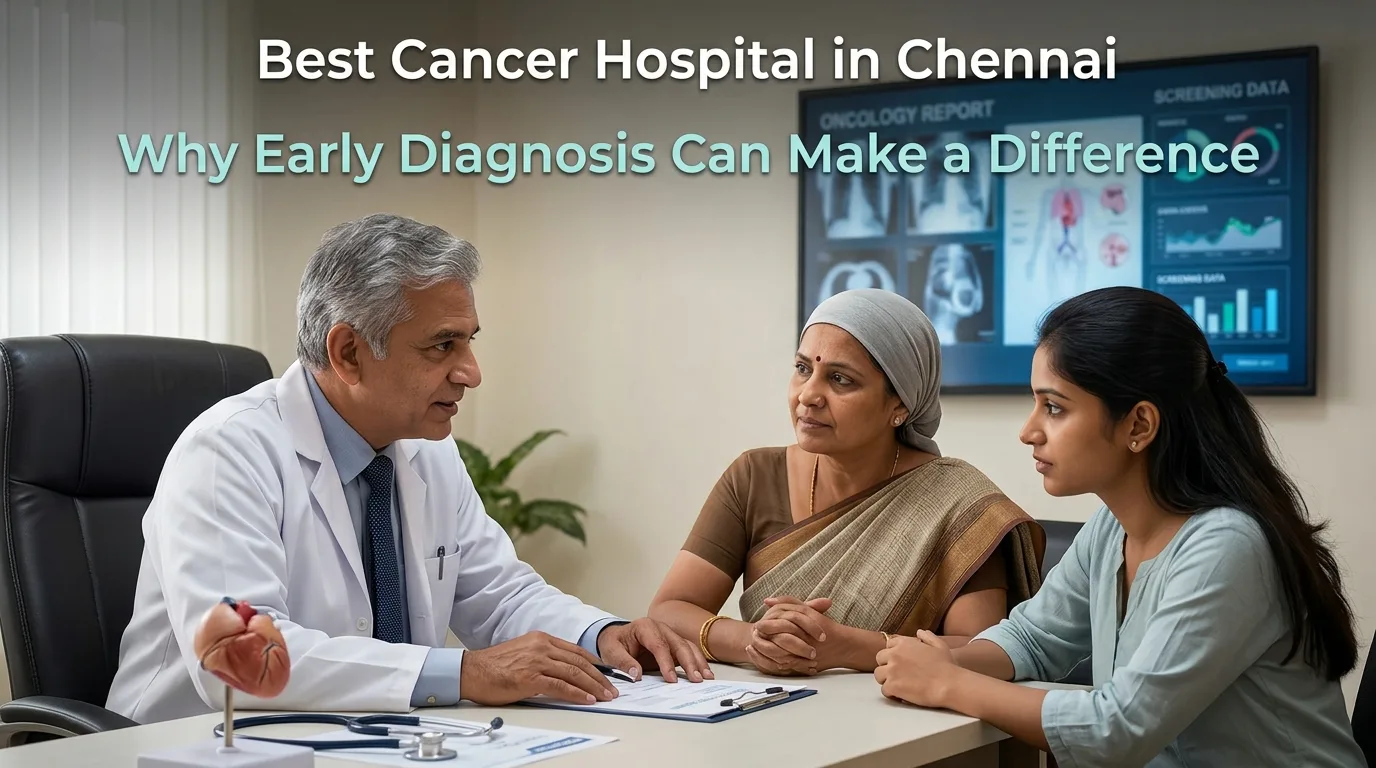
Cancer care has evolved significantly over the years, offering patients access to advanced diagnostic tools, specialized treatment options, and multidisciplinary medical expertise. However, one factor continues to play a critical role in treatment planning and patient outcomes: early diagnosis.
Many individuals begin searching for the best cancer hospital in Chennai only after symptoms become difficult to ignore. While seeking expert care is important, understanding the value of early detection can help patients and families make more informed healthcare decisions and potentially access treatment at an earlier stage.
The Challenge of Delayed Cancer Diagnosis
One of the biggest challenges in cancer care is that many cancers may not show noticeable symptoms during their early stages. As a result, some individuals postpone medical evaluations until symptoms become persistent or more severe.
Common reasons for delayed diagnosis include:
- Ignoring early warning signs
- Assuming symptoms are minor
- Lack of routine health screenings
- Fear of medical evaluations
- Limited awareness about cancer risks
Delays in seeking medical attention can make diagnosis more complex and may affect treatment planning. This is why healthcare professionals consistently emphasize the importance of awareness and timely medical consultation.
Why Early Detection Is So Important
Early diagnosis allows healthcare teams to identify abnormalities before they progress further. It also helps doctors better understand the condition and determine appropriate treatment pathways.
The benefits of early detection may include:
More Treatment Options
When cancer is identified at an earlier stage, healthcare providers may have access to a broader range of treatment approaches depending on the patient's condition.
Improved Treatment Planning
Early diagnosis allows specialists to develop individualized treatment strategies based on detailed clinical information.
Better Patient Monitoring
Patients diagnosed early often benefit from closer monitoring and ongoing assessment throughout their care journey.
Increased Awareness and Preparedness
Receiving timely information enables patients and families to better understand their healthcare options and participate actively in treatment discussions.
These factors contribute to why many healthcare professionals encourage routine screenings and prompt evaluation of unusual symptoms.
Common Warning Signs That Should Not Be Ignored
Not every symptom indicates cancer, but certain changes should always be discussed with a qualified healthcare provider.
Some examples include:
- Unexplained weight loss
- Persistent fatigue
- Unusual lumps or swelling
- Changes in bowel or bladder habits
- Persistent cough or hoarseness
- Difficulty swallowing
- Unexplained pain
- Non-healing sores
The presence of these symptoms does not necessarily indicate cancer. However, medical evaluation helps determine the underlying cause and whether further testing is needed.
Understanding the Role of Cancer Screening
Screening plays an important role in identifying potential health concerns before symptoms appear.
Cancer screening programs may help detect abnormalities that require additional investigation. Depending on factors such as age, family history, and individual risk factors, healthcare providers may recommend specific screening tests.
Examples of commonly discussed screening approaches include:
Breast Cancer Screening
Regular screening may help identify changes that require further evaluation.
Cervical Cancer Screening
Routine testing supports early identification of abnormal cell changes.
Colorectal Cancer Screening
Screening can help detect abnormalities in the digestive tract.
Oral Cancer Screening
Regular examinations may assist in identifying unusual tissue changes.
Healthcare professionals determine appropriate screening schedules based on individual patient circumstances.
What Defines the Best Cancer Hospital in Chennai?
Patients searching for the best cancer hospital in Chennai often focus on treatment capabilities. While treatment is important, comprehensive cancer care involves several interconnected elements.
Multidisciplinary Oncology Care
Cancer treatment frequently requires collaboration among multiple specialists who work together to create individualized care plans.
Advanced Diagnostic Facilities
Accurate diagnosis forms the foundation of effective treatment planning.
Personalized Treatment Approaches
Each patient's condition is unique, making individualized care an important aspect of modern oncology.
Patient Education and Support
Helping patients understand their condition, treatment options, and care plans contributes to better healthcare experiences.
Ongoing Monitoring and Follow-Up
Comprehensive cancer care continues beyond diagnosis and treatment through long-term patient support and evaluation.
These factors help patients evaluate healthcare providers beyond basic treatment availability.
Expert Insight: The Importance of Timely Medical Consultation
Many healthcare professionals emphasize that awareness alone is not enough. Taking action when symptoms arise is equally important.
Patients sometimes delay consultations due to uncertainty, fear, or the hope that symptoms will disappear on their own. However, seeking professional medical advice allows specialists to investigate symptoms, provide clarity, and recommend appropriate next steps.
Timely consultation supports informed decision-making and helps patients gain a better understanding of their health status.
Practical Guidance for Patients and Families
If you are concerned about cancer risks or symptoms, consider the following steps:
Pay Attention to Physical Changes
Monitor persistent symptoms and unusual changes in your body.
Schedule Routine Health Checkups
Preventive healthcare plays an important role in early detection.
Discuss Family Medical History
Certain risk factors may influence screening recommendations.
Follow Medical Advice
Healthcare professionals can guide you toward appropriate evaluations and testing.
Stay Informed
Reliable health information helps patients make confident healthcare decisions.
Taking proactive steps today may contribute to better health management in the future.
Frequently Asked Questions
Why is early cancer diagnosis important?
Early diagnosis helps healthcare providers evaluate conditions sooner and develop treatment strategies based on the patient's specific needs.
What are common signs that should be evaluated by a doctor?
Symptoms such as unexplained weight loss, unusual lumps, persistent fatigue, and ongoing pain should be discussed with a healthcare professional.
Can cancer screening help detect problems before symptoms appear?
Yes. Screening programs are designed to identify abnormalities that may require further evaluation, often before noticeable symptoms develop.
How often should cancer screening be performed?
Screening recommendations vary depending on age, health history, family history, and individual risk factors. Healthcare providers can offer personalized guidance.
What should patients consider when choosing the best cancer hospital in Chennai?
Patients may evaluate factors such as oncology expertise, diagnostic capabilities, multidisciplinary care, patient support services, and treatment planning approaches.
Why is multidisciplinary cancer care important?
Cancer treatment often involves collaboration among specialists from different medical fields to provide comprehensive patient care.
When should someone seek medical advice about symptoms?
Individuals should consult a healthcare professional whenever symptoms persist, worsen, or cause concern.
Conclusion
Early diagnosis remains one of the most important factors in modern cancer care. Awareness, routine screening, and timely medical consultation can help patients better understand their health and access appropriate care when needed.
For individuals searching for the best cancer hospital in Chennai, it is important to consider not only treatment options but also diagnostic expertise, patient support, multidisciplinary care, and long-term healthcare guidance. Oxymed Hospital Chennai remains committed to providing patient-centered oncology care, supporting individuals and families through every stage of their healthcare journey with compassion, expertise, and comprehensive medical support