
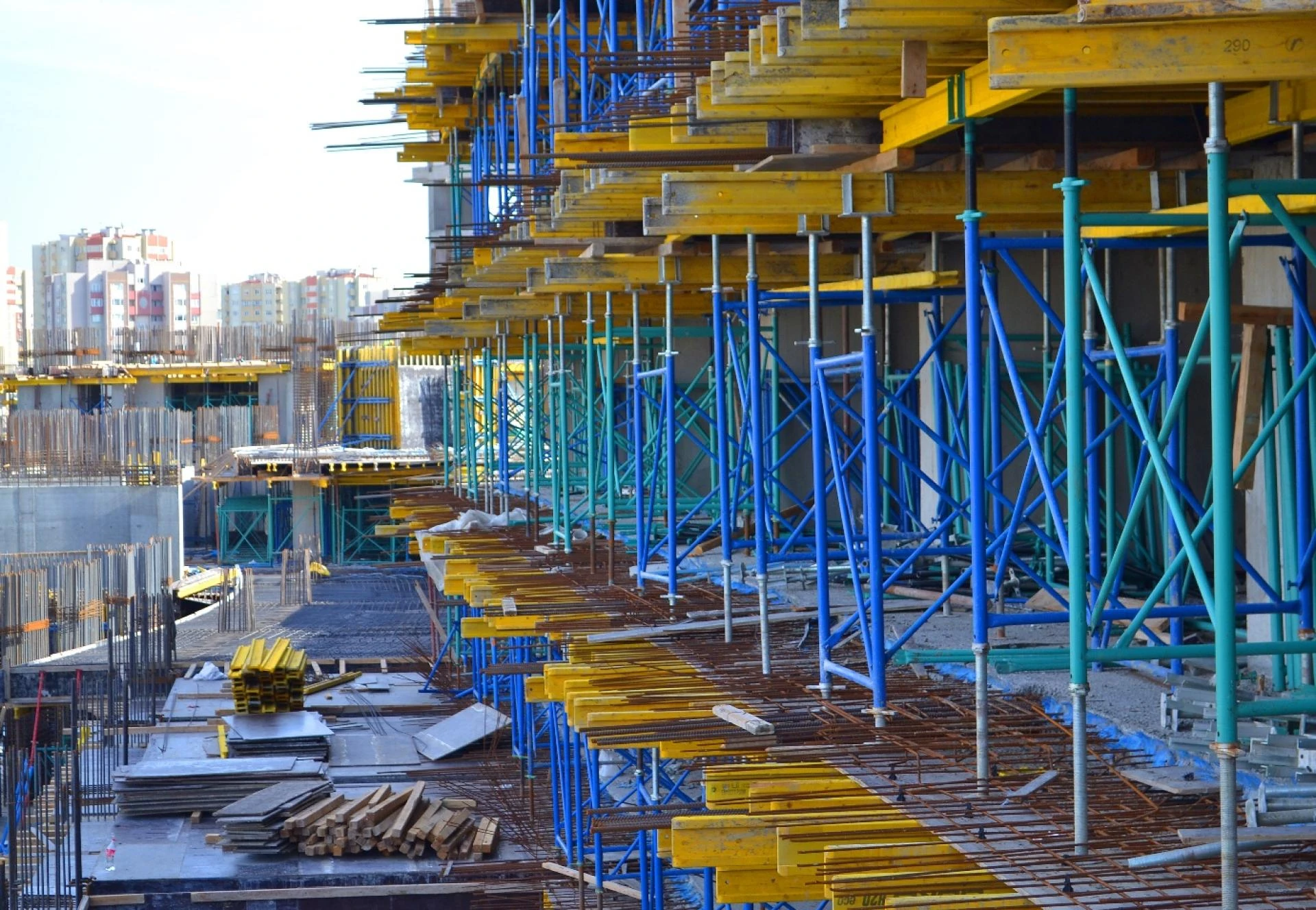
In modern construction, efficiency, safety, and precision are paramount. One technology that has revolutionized the way structures are built is Modular Formwork. Unlike traditional formwork, modular systems are reusable, adaptable, and significantly reduce labor and material costs. At BIM Associates, we’ve helped numerous projects implement modular formwork solutions, ensuring faster timelines and higher quality construction. In this guide, we’ll walk you through the step-by-step process of installing modular formwork effectively.
1. Understand the Project Requirements
Before starting the installation, it’s essential to assess your project needs. Modular formwork comes in various sizes and configurations, suitable for walls, columns, slabs, and other structural components. Determine the dimensions, load requirements, and the type of concrete finish desired. At BIM Associates, our team often collaborates with clients at the design stage to select the most suitable modular formwork system that aligns with structural specifications and project timelines.
2. Prepare the Site
A well-prepared site is critical for effective modular formwork installation. Begin by leveling the ground and ensuring it’s compacted to support the formwork and wet concrete. Remove any debris or obstructions that may interfere with assembly. Proper site preparation minimizes the risk of misalignment and enhances safety during installation.
3. Inspect and Organize Formwork Components
Before assembly, inspect each modular formwork panel, clamp, and support for damage or defects. Organize components by type and size for easy access during installation. Modular formwork systems are designed for rapid assembly, but a well-organized workspace significantly reduces installation time and errors. At BIM Associates, we emphasize thorough inspection to ensure that all panels meet quality standards before they are used on site.
4. Assemble the Formwork
Start assembling the modular formwork according to the project layout. Panels are typically connected using clamps, bolts, or quick-lock mechanisms. Ensure each panel is securely joined to prevent leaks and maintain the desired concrete shape. Use a spirit level to check verticality and alignment continuously. Proper assembly not only guarantees structural accuracy but also contributes to the safety and longevity of the formwork.
5. Install Supports and Bracing
Supports and bracing are crucial for maintaining the formwork’s stability under the weight of fresh concrete. Install scaffolding, props, or shoring as required by the design. Make sure that all bracing is firmly anchored and that the structure can withstand the anticipated load. At BIM Associates, we often provide customized bracing plans for complex projects to ensure optimal safety and structural integrity.
6. Apply Release Agent
To facilitate easy removal after concrete curing, apply a suitable release agent to the interior surfaces of the modular formwork. This prevents sticking, reduces surface defects, and increases the life of your formwork panels. Ensure even coverage for the best results.
7. Pour and Cure Concrete
Once the modular formwork is assembled and treated, you can pour concrete. Monitor the pour to avoid excessive pressure on the formwork, which could cause deformation or leakage. Allow the concrete to cure as per the recommended time, depending on the mix and environmental conditions. Proper curing is essential for achieving the desired strength and finish.
8. Dismantle and Store Formwork
After the concrete has cured, carefully dismantle the modular formwork. Clean all panels, clamps, and supports before storage to prolong their usability. Modular formwork is designed for repeated use, making proper maintenance crucial for cost efficiency.
Conclusion
Installing Modular Formwork effectively requires planning, precision, and the right expertise. By following this step-by-step guide, construction teams can achieve higher productivity, better structural quality, and safer work conditions. At BIM Associates, we specialize in providing modular formwork solutions tailored to your project needs, ensuring seamless installation and optimal performance.
Whether you are constructing high-rise buildings, bridges, or industrial facilities, modular formwork is a game-changer, and with the right approach, it can transform your construction workflow.