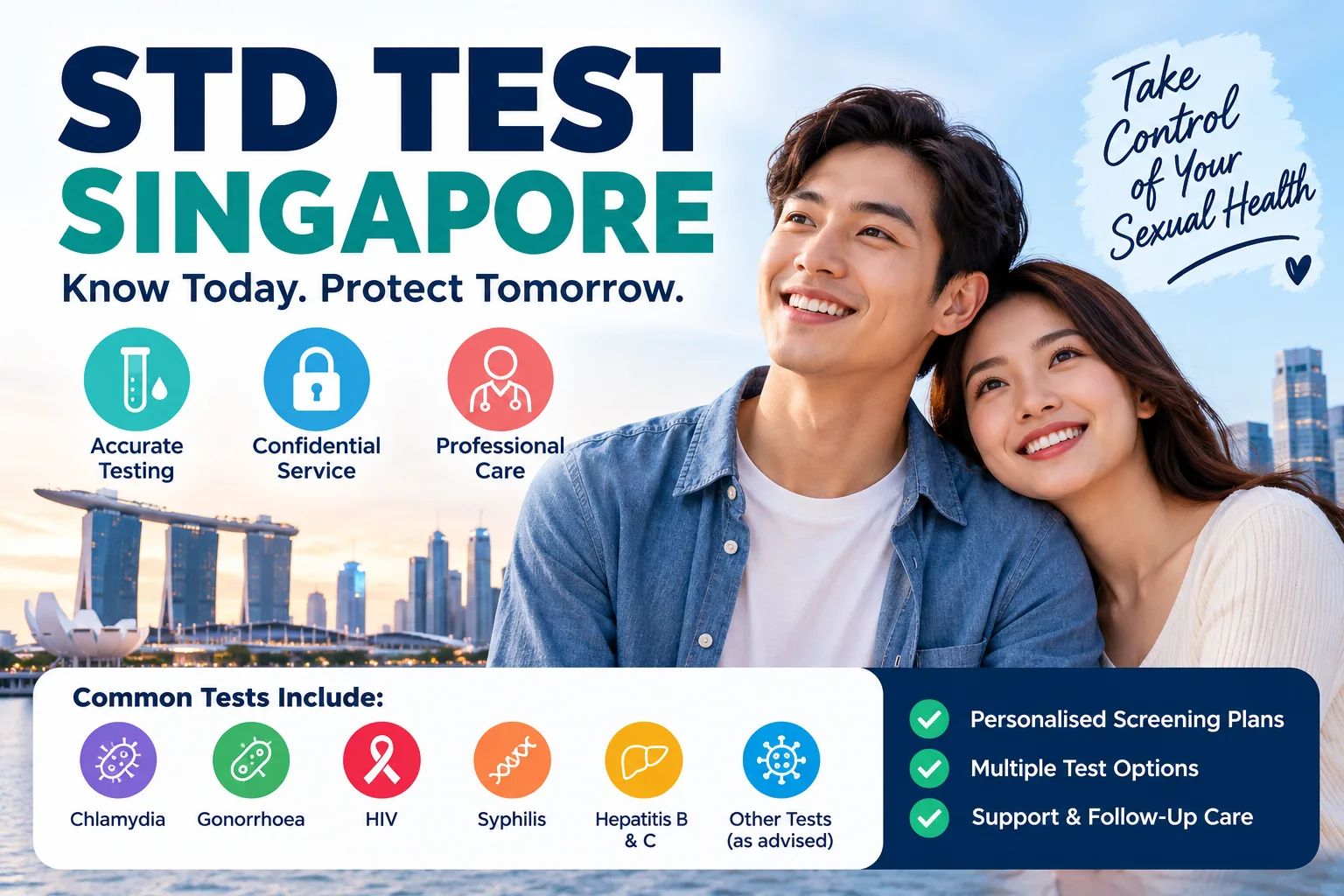
Having unprotected sex can raise questions about sexually transmitted infections (STIs) and the best time to get tested. Whether you experienced condom failure, had sex without a condom, or had contact with a partner whose STI status is unknown, understanding your options can help you make informed decisions.
Searching for an STD test Singapore service is a useful starting point, but testing immediately after an encounter does not always provide a definitive answer. Different infections have different detection windows, and some require specific samples or follow-up testing.
Singapore has several healthcare options for sexual health screening, including general practitioner clinics, private medical centres, polyclinics, and specialist sexual health services.
This guide explains what to do after unprotected sex, when to seek testing, which infections may need assessment, and how to access appropriate care in Singapore.
What Counts as Unprotected Sex?
Unprotected sex generally refers to sexual activity without a barrier method, such as a condom, that would reduce the risk of STI transmission.
Examples include:
- Vaginal sex without a condom.
- Anal sex without a condom.
- Condom breakage or slippage during sex.
- Sexual contact with a partner whose STI status is unknown.
- Sexual activity involving an infection that has not been diagnosed or treated.
The level of risk varies according to the infection, type of contact, whether an infected partner is present, and other circumstances.
Not every unprotected encounter results in an infection. However, you cannot reliably determine your STI status based on how healthy you feel or how familiar you are with your partner.
What Should You Do Immediately After Unprotected Sex?
The appropriate next step depends on how recently the encounter occurred and the possible exposure.
1. Assess Whether Urgent Medical Care Is Needed
If you think you may have been exposed to HIV within the past 72 hours, seek urgent medical attention to discuss post-exposure prophylaxis, commonly called PEP.
PEP is a course of medication used after a potential HIV exposure. It should be started as soon as possible when indicated and no later than 72 hours after exposure under standard guidance.
Do not wait for an STD screening appointment or a test result before seeking an urgent assessment.
A healthcare professional can also assess other concerns, including possible hepatitis B exposure, injuries, and symptoms that require prompt treatment.
2. Record the Exposure Date
Knowing when the encounter occurred helps a healthcare professional determine which tests are useful immediately and when repeat testing may be needed.
If you have had several encounters, mention the relevant dates rather than relying only on the most recent one.
3. Avoid Self-Medicating
Do not take leftover antibiotics or medication prescribed to someone else. Different infections require different treatments, and unnecessary antibiotics can cause side effects and contribute to antimicrobial resistance.
A healthcare professional can recommend appropriate testing, treatment, or preventive measures.
4. Arrange a Sexual Health Consultation
A clinician can assess the type of sexual contact, any symptoms, vaccination history, and potential exposure to specific infections.
This assessment helps determine whether you need blood tests, urine testing, swabs, or urgent preventive treatment.
When Should You Get an STD Test in Singapore?
There is no single testing date that applies to every sexually transmitted infection. The ideal timing depends on the organism and the test used.
An early appointment can still be useful because a clinician may identify infections that can already be detected, assess the need for preventive treatment, and arrange a follow-up schedule.
Testing Within the First 72 Hours
If HIV exposure is possible, urgent assessment for PEP is the priority. Do not wait for the HIV testing window to close before seeking care.
A clinician may also assess hepatitis B vaccination status and whether additional preventive measures are indicated.
Testing During the First Few Days
Some tests may identify an existing infection, but a negative result shortly after exposure cannot reliably rule out every newly acquired STI.
The clinician may recommend initial testing and schedule repeat tests based on the exposure date and the infections being investigated.
Testing After One or More Weeks
Certain bacterial infections may become detectable during the days or weeks following exposure. The exact interval depends on the test and clinical circumstances.
A healthcare professional can advise when testing for chlamydia and gonorrhoea is appropriate and whether additional screening is needed.
Follow-Up Testing Over Subsequent Weeks
HIV and syphilis testing may require follow-up, depending on the initial test, exposure timing, and any preventive medication received.
For HIV, different tests have different detection windows. Laboratory antigen/antibody tests and antibody-only tests do not necessarily become positive at the same time.
Follow the testing schedule provided by your clinician rather than assuming that one negative test immediately after exposure settles the matter.
Which STIs Should You Consider Testing For?
After unprotected sex, a healthcare professional may consider screening for several infections.
Chlamydia
Chlamydia is a bacterial STI that may not cause symptoms. When symptoms occur, they can include painful urination, unusual genital discharge, pelvic discomfort, or testicular pain.
Testing commonly involves urine or swab samples. The appropriate sample depends on the site of exposure.
Gonorrhoea
Gonorrhoea can affect the genital tract, throat, and rectum. Some infections produce no noticeable symptoms.
Testing may involve urine or swabs, depending on the type of sexual contact. Appropriate diagnosis is important because treatment choices must account for antibiotic resistance.
Syphilis
Syphilis may cause a painless sore or other symptoms, but these can go unnoticed. Blood tests are commonly used to screen for the infection.
A test performed too soon after exposure may not provide a definitive answer, so follow-up may be necessary.
HIV
HIV can be transmitted through certain sexual exposures, but the risk depends on several factors, including the type of contact and whether the other person has transmissible HIV.
Testing is essential to determine HIV status. A clinician can recommend the appropriate test and follow-up timing.
If the exposure occurred within the past 72 hours, ask about PEP immediately.
Hepatitis B
Hepatitis B can be transmitted through sexual contact. Your vaccination history and the nature of the exposure may affect whether testing or preventive care is recommended.
A clinician can review your vaccination status and determine which blood tests or preventive measures are appropriate.
Herpes and Other Infections
Testing for genital herpes and other infections depends on symptoms, exposure history, and the availability and suitability of particular tests.
A swab from a fresh lesion may be useful when herpes sores are present. Routine blood testing for herpes is not recommended for everyone and has limitations.
A broad screening package does not necessarily include every infection, so confirm the exact tests with the provider.
Does the Type of Sexual Contact Affect Testing?
Yes. The type of sexual contact can influence which body sites should be tested.
For example, a urine test may help detect genital chlamydia or gonorrhoea but may not detect an infection limited to the throat or rectum.
When discussing your exposure, tell the healthcare professional whether it involved vaginal, anal, or oral sex. This information helps the clinician recommend suitable samples without making assumptions.
Different infections also have different transmission routes. Your clinician can explain which tests are relevant to your circumstances.
Where Can You Get an STD Test in Singapore?
You can enquire about testing through several healthcare settings.
GP clinics: Many general practitioners provide sexual health consultations and selected STI tests.
Private medical centres: Private clinics may offer individual tests, screening packages, and appointments at different times.
Polyclinics: Some services may be available through polyclinics, although specific testing options and appointment procedures vary.
Specialist sexual health services: Singapore's Department of Sexually Transmitted Infections Control (DSC) clinic provides specialist services for STI diagnosis and treatment.
When booking, explain when the possible exposure occurred. If HIV exposure within the past 72 hours is a concern, specifically request urgent assessment rather than waiting for a routine appointment.
Can You Get Tested Without Symptoms?
Yes. You do not need to develop symptoms before seeking an STD test.
Chlamydia, gonorrhoea, HIV, and other infections can sometimes remain asymptomatic. Screening can help identify certain infections that would otherwise go unnoticed.
However, testing should be timed appropriately. A negative result obtained too early may require confirmation through repeat testing.
If you develop unusual discharge, painful urination, sores, blisters, a rash, or pelvic or testicular pain, seek medical assessment promptly.
How Much Does an STD Test Cost in Singapore?
Costs depend on the clinic, number of infections tested, laboratory methods, and consultation fees.
An individual test may cost less than a multi-infection screening package, but a cheaper package may not include every test relevant to your exposure.
Before booking, ask:
- Which infections are included?
- Are urine, blood, and swab tests covered?
- Is the consultation fee included?
- Are follow-up tests charged separately?
- When will results be available?
- What happens if a result is positive?
Request an itemised quotation from the provider because prices and package details can change.
Do not delay urgent medical care because you are still comparing routine screening prices.
What Should You Do While Waiting for Results?
While awaiting medical advice and results, take steps to reduce the possibility of transmitting an infection.
Consider avoiding sexual activity until you have received appropriate guidance. If sexual activity occurs, use condoms or other recommended barrier protection, recognising that these do not eliminate every STI risk.
Follow instructions regarding medication, testing, and follow-up appointments. If a partner is diagnosed with an STI, ask your clinician whether you need testing or treatment even if you feel healthy.
If symptoms develop or worsen, seek medical attention rather than waiting for the expected result date.
What Happens If Your STD Test Is Positive?
A positive result does not mean every STI has the same treatment or long-term implications.
Many bacterial STIs can be cured with appropriate antibiotics. Other infections, including HIV and herpes, require different forms of management.
Your clinician can explain the result, prescribe treatment when necessary, and advise whether partner notification or partner testing is appropriate.
Complete prescribed treatment and follow guidance about when to resume sexual activity. Do not stop medication early or use unprescribed treatments.
If a screening result requires confirmation, complete the recommended tests before drawing conclusions.
Conclusion
Arranging an STD test Singapore appointment after unprotected sex can help you understand your sexual health and determine whether treatment or follow-up is necessary.
The most important steps are to assess urgent risks, seek PEP advice promptly if HIV exposure may have occurred within 72 hours, and arrange appropriate testing at the right time. A negative test immediately after an encounter may not exclude a newly acquired infection.
Singapore offers several options for STI screening, from GP clinics and private medical centres to specialist sexual health services. Choose a provider who can assess your exposure, recommend suitable tests, and explain the results and follow-up requirements.
Taking action early can help protect your health and reduce the risk of passing an infection to someone else.