Car owners today expect more than basic transportation. They want vehicles that respond faster, drive smoother, and deliver stronger performance on the road. That growing demand has increased interest in performance tuning, especially Stage 2 upgrades.
Drivers often begin with smaller modifications, but many eventually look for better acceleration, improved throttle response, and a more engaging driving experience. This is where Stage 2 tuning becomes a popular choice.
It offers a balance between daily usability and noticeable performance improvements without moving into highly aggressive vehicle modifications.
What Does Stage 2 Mean?
Vehicle tuning is commonly divided into stages. Each stage introduces additional upgrades designed to improve engine efficiency and overall driving behaviour.
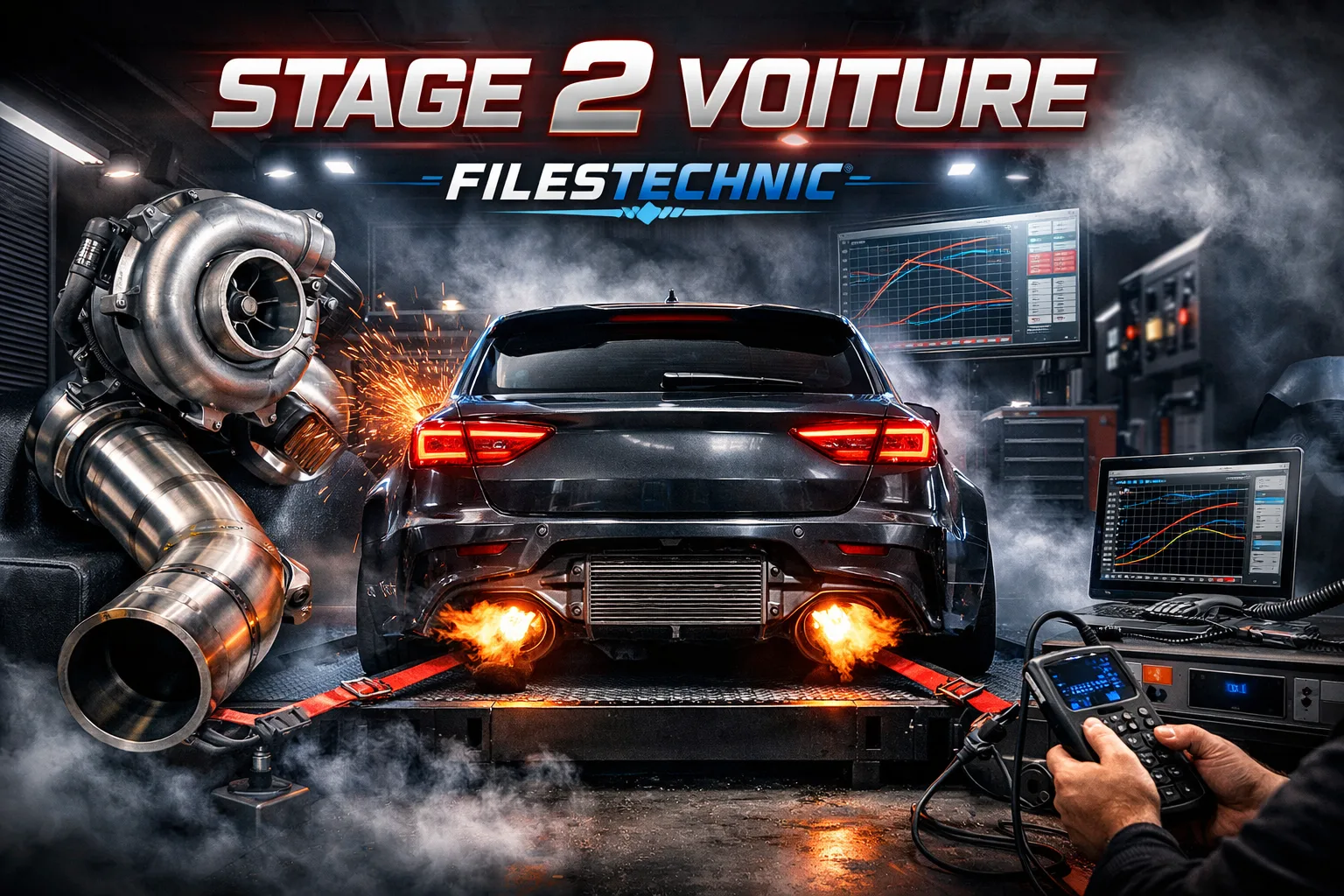
Stage 1 typically focuses on software optimisation. Stage 2 goes further by combining software adjustments with supporting hardware improvements.
These modifications may include:
- ECU recalibration
- Improved intake systems
- Better exhaust flow
- Cooling upgrades
- Airflow enhancements
The purpose is not simply increasing power numbers. The goal is creating a vehicle that performs better under real driving conditions.
Many drivers choose Stage 2 because it provides stronger results while still keeping the vehicle practical for daily use.
Why Vehicle Owners Upgrade
Manufacturers design vehicles for broad market requirements. They build engines to operate across different fuel qualities, weather conditions, regulations, and maintenance habits.
Because of these limitations, factory settings often leave unused performance potential.
Performance upgrades help optimise how the vehicle delivers power.
Drivers commonly notice improvements in several areas.
Better Acceleration
A tuned vehicle often responds faster when power is requested.
This creates a more enjoyable driving experience during highway merging, overtaking traffic, or general daily driving.
Improved Engine Response
Throttle response can feel sharper after professional calibration.
The vehicle may react more naturally to driver input.
More Consistent Power Delivery
Many tuned vehicles feel smoother across different speed ranges.
Balanced power delivery contributes to better driving confidence.
Increased Driving Enjoyment
For automotive enthusiasts, driving experience matters.
A vehicle that feels responsive often becomes more enjoyable to own.
Real-Life Example
Imagine a driver named Ryan who owns a turbocharged sedan used for commuting and weekend trips.
Ryan appreciated the vehicle’s comfort but wanted stronger road performance.
After selecting supporting hardware upgrades and completing Stage 2 optimisation, Ryan noticed meaningful improvements.
The vehicle accelerated more smoothly.
Engine response improved.
Highway driving felt more confident.
The car maintained practicality while delivering a more refined performance experience.
Situations like this explain why tuning demand continues growing globally.
Why Professional Calibration Matters
Modern engines rely heavily on technology.
Performance depends on multiple systems operating together:
- Airflow management
- Fuel delivery timing
- Ignition adjustments
- Temperature control
- Turbocharger behaviour
Changing one area without considering the complete system can create problems.
Professional calibration focuses on maintaining balance.
Filestechnic supports vehicle optimisation solutions designed to improve performance while helping maintain reliability over time.
Precision tuning creates stronger long-term results than uncontrolled modifications.
Supporting Hardware Makes Stage 2 Effective
Software improvements work best when paired with supporting upgrades.
Vehicle systems need efficient airflow and cooling to operate effectively.
Intake Improvements
Performance intake systems help engines receive cleaner and more efficient airflow.
Exhaust Enhancements
Better exhaust flow can improve engine breathing efficiency.
Cooling System Support
Heat management becomes increasingly important as performance increases.
Cooling upgrades help maintain stable operation.
ECU Optimisation
Electronic calibration connects multiple performance systems together.
Proper software refinement supports balanced improvements.
When these components work together, overall vehicle performance often improves more effectively.
Things Drivers Should Consider First
Performance upgrades should always begin with preparation.
Drivers should evaluate vehicle condition before making modifications.
Important considerations include:
Maintenance History
Vehicles with strong maintenance records often respond better to tuning improvements.
Driving Goals
Some drivers prioritise acceleration.
Others prefer smoother performance delivery.
Clear goals help guide upgrade decisions.
Vehicle Condition
Healthy engines provide stronger foundations for performance optimisation.
Future Maintenance Commitment
Performance improvements require responsible vehicle care.
Long-term reliability depends on regular servicing.
Vehicle Performance Trends Continue Growing
Technology has changed the automotive industry dramatically.
Drivers increasingly want vehicles customised around personal preferences rather than factory limitations.
Performance optimisation has expanded beyond dedicated enthusiasts.
Everyday drivers now explore ways to improve vehicle behaviour without sacrificing practicality.
Software improvements, calibration technology, and smarter engineering solutions continue shaping modern tuning trends.
Industry experts expect growing interest in personalised vehicle performance solutions over the coming years.
Maintaining Performance After Upgrades
Upgraded vehicles benefit from consistent maintenance routines.
Owners should focus on:
- Routine servicing
- Engine monitoring
- Quality fuel selection
- Scheduled inspections
Preventive care helps maintain performance consistency.
Reliable maintenance habits also help protect long-term vehicle health.
Final Thoughts
Stage 2 tuning gives drivers an opportunity to improve performance without moving toward extreme modifications.
Stronger responsiveness, smoother acceleration, and better overall driving feel make it a practical option for many vehicle owners.
Success depends on proper planning, quality upgrades, and professional calibration.
Filestechnic focuses on performance optimisation approaches designed to help drivers achieve stronger road performance while supporting long-term vehicle dependability.