
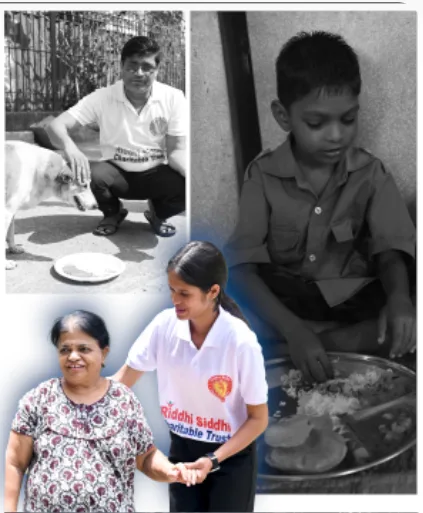
Education is one of the strongest tools for social transformation. In a country where millions of children face economic challenges, access to quality education can change lives and create opportunities for future generations. The concept of sponsor education for poor child India has gained importance because it helps children receive schooling, educational resources, and opportunities that their families may not be able to afford.
The Importance of Education for Underprivileged Children
Education is not simply about learning to read and write. It helps children develop critical thinking skills, improve confidence, and create better employment opportunities in adulthood. Children who receive education are more likely to escape poverty and contribute positively to society.
Many economically disadvantaged families struggle to provide school fees, books, uniforms, transportation, and other educational expenses. As a result, children often discontinue their studies at an early age and enter the workforce to support their families.
Providing educational support can help reduce school dropout rates and encourage continuous learning.
Challenges Faced by Children from Low-Income Families
Several obstacles prevent children from receiving proper education. These include:
- Financial difficulties within the family
- Lack of educational resources
- Limited access to quality schools
- Child labor responsibilities
- Poor transportation facilities
- Inadequate nutrition and healthcare
- Lack of awareness regarding the importance of education
Rural areas often experience additional challenges due to insufficient educational infrastructure and a shortage of qualified teachers.
How Educational Support Changes Lives
When children receive educational assistance, they gain access to:
- School admission and tuition support
- Books and learning materials
- Uniforms and stationery
- Digital learning opportunities
- Nutritional support
- Extracurricular activities
- Career guidance and skill development
These resources help children focus on their studies and achieve better academic results. Education also improves social awareness, communication skills, and self-confidence.
The Impact on Communities
Supporting children's education benefits entire communities. Educated individuals often contribute to local development, improve healthcare awareness, and participate in economic growth.
Communities with higher literacy rates generally experience:
- Reduced poverty levels
- Improved healthcare practices
- Better employment opportunities
- Lower child labor rates
- Greater gender equality
- Increased social awareness
Educated young people can become teachers, healthcare workers, entrepreneurs, and skilled professionals who contribute to society.
Importance of Girls' Education
Many girls face additional barriers to education, including early marriage, household responsibilities, and social limitations. Ensuring equal educational opportunities for girls helps create stronger families and healthier communities.
Studies consistently show that educated women are more likely to support their children's education, maintain better health practices, and contribute to household income. Encouraging girls to remain in school creates long-term social and economic benefits.
Role of Technology in Education
Digital learning has transformed education in recent years. Online resources, virtual classrooms, and educational applications provide additional learning opportunities for students.
Technology helps children access:
- Digital textbooks
- Online classes
- Interactive learning materials
- Educational videos
- Skill development courses
However, many economically disadvantaged children still face challenges related to internet access and digital devices. Improving digital accessibility remains an important goal.
Government and Community Initiatives
Various educational initiatives have focused on improving literacy and increasing school enrollment. Community participation, volunteer programs, scholarship opportunities, and educational awareness campaigns play an important role in supporting children's education.
Local communities often contribute by organizing educational drives, distributing learning materials, and encouraging parents to send children to school regularly.
The Long-Term Benefits of Education
Investing in children's education creates benefits that extend far beyond the classroom. Educated individuals generally experience:
- Better employment opportunities
- Higher earning potential
- Improved health outcomes
- Greater social mobility
- Enhanced decision-making skills
- Increased civic participation
Education helps break the cycle of poverty and enables future generations to achieve a better quality of life.
Conclusion
Education remains one of the most effective solutions for reducing poverty and promoting social development. Ensuring that every child has access to learning opportunities can create lasting positive changes for individuals, families, and communities. By supporting educational opportunities and encouraging school participation, society can help build a brighter and more inclusive future for all children.