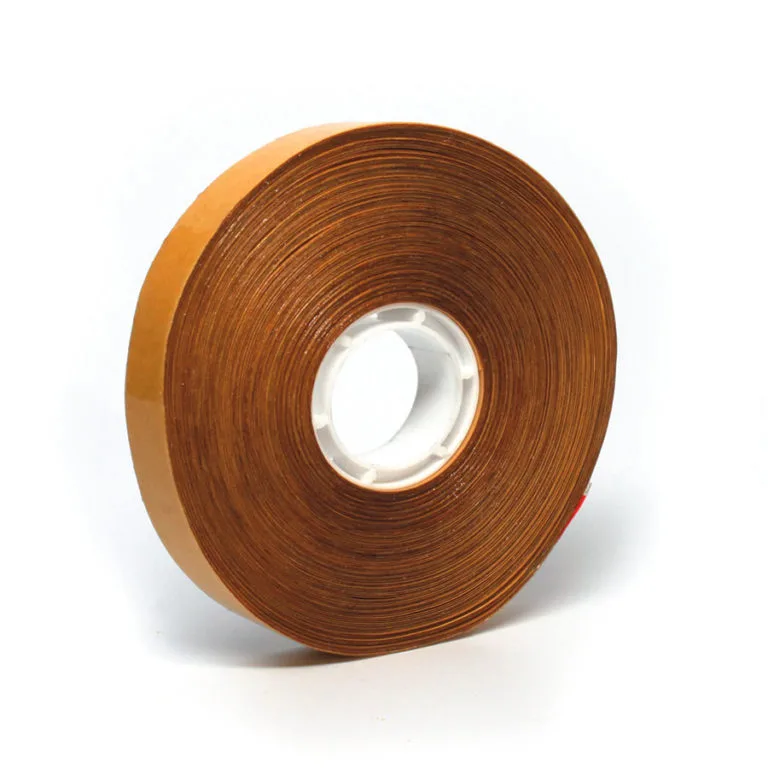
The specialty tape industry has become an important part of modern manufacturing, packaging, construction, transportation, electronics, healthcare, and consumer applications. Unlike conventional adhesive tapes, specialty tapes are engineered to deliver specific properties such as high temperature resistance, chemical stability, electrical insulation, moisture protection, strong bonding, flexibility, or surface protection. As applications become more demanding, manufacturers and users are placing greater emphasis on reliability and application-specific performance.
At the same time, the specialty tape market faces several pain points that can affect production efficiency, product development, pricing, and customer satisfaction. These challenges are encouraging manufacturers to improve adhesive formulations, backing materials, coating processes, quality control systems, and supply-chain strategies.
Rising Demand for Application-Specific Performance
One of the major pain points is the growing need for highly customized tape solutions. Different industries require different combinations of adhesion, durability, flexibility, temperature resistance, and environmental performance. A tape suitable for packaging may not work effectively in automotive or electronic applications.
This creates pressure on manufacturers to develop specialized products without making production excessively complicated. Creating multiple product grades can increase testing requirements, inventory levels, formulation complexity, and manufacturing costs. Companies therefore need flexible production capabilities that allow them to serve diverse requirements while maintaining consistent quality.
The challenge becomes more significant when customers require tapes that perform reliably under extreme temperatures, high humidity, vibration, pressure, or exposure to chemicals. Meeting these specifications requires continuous material and process improvements.
Raw Material and Production Cost Pressures
Cost remains another important concern across the specialty tape industry. Specialty tapes often use advanced polymers, coatings, adhesives, films, foams, fabrics, and release liners. Changes in the prices or availability of these materials can influence manufacturing expenses.
Producers must balance material quality with competitive pricing. High-performance materials can improve durability and reliability, but they may also increase the final product cost. Customers in price-sensitive industries may hesitate to adopt premium solutions unless the performance benefits clearly justify the additional expense.
Manufacturers can address this pain point through material optimization, waste reduction, improved coating efficiency, automation, and better production planning. Developing formulations that provide strong performance with lower material consumption can also support cost management.
Adhesion and Surface Compatibility Issues
Adhesion is at the center of specialty tape performance, yet achieving consistent bonding across different surfaces can be difficult. Metals, plastics, glass, painted surfaces, composites, textiles, and coated materials can each behave differently during application.
Surface contamination, temperature, moisture, pressure, roughness, and cleanliness can influence bonding strength. Even a technically advanced tape may perform poorly when the application conditions are unsuitable.
This creates an important need for better surface preparation guidance and application-specific product selection. Manufacturers are increasingly focused on developing adhesives that can maintain reliable bonding across challenging substrates while reducing the need for extensive surface preparation.
Quality Consistency and Reliability
Customers using specialty tapes in demanding applications expect consistent performance from one production batch to another. Variations in adhesive thickness, coating uniformity, backing quality, tack, peel strength, or dimensional stability can create production problems.
Quality issues may lead to rejected materials, manufacturing delays, product recalls, or customer dissatisfaction. For industries such as electronics, healthcare, automotive, and aerospace, inconsistent tape performance can have particularly serious consequences.
To reduce this pain point, manufacturers need strong quality-control systems covering raw materials, coating, curing, slitting, rewinding, packaging, and storage. Automated inspection technologies can help identify defects earlier and reduce the risk of inconsistent output.
Supply Chain and Lead-Time Challenges
Supply-chain reliability is another concern for specialty tape producers and customers. Manufacturing often depends on multiple raw materials sourced from different suppliers and regions. Disruptions in transportation, material availability, energy costs, or supplier capacity can affect production schedules.
Long lead times can be particularly challenging when customers require customized dimensions, adhesive formulations, or backing materials. Maintaining excessive inventory can reduce supply risk but increases storage expenses and working-capital requirements.
Companies are therefore exploring stronger supplier relationships, alternative material sources, regional production capabilities, and improved demand forecasting. These strategies can make supply networks more resilient without unnecessarily increasing inventory.
Sustainability Expectations
Environmental expectations are creating another layer of complexity. Customers increasingly want products that reduce waste, use fewer resources, or support easier recycling and disposal. Specialty tapes must therefore evolve while retaining the performance characteristics required by demanding applications.
Manufacturers may face difficulties when replacing conventional materials with lower-impact alternatives. Sustainable adhesives and backings must still provide sufficient bonding strength, durability, temperature resistance, and shelf life.
This challenge is encouraging innovation in water-based adhesives, solvent-reduction processes, recyclable materials, thinner constructions, and bio-based components. The transition requires testing and investment, but it can also create opportunities for product differentiation.
Balancing Customization With Production Efficiency
Customization is valuable, but excessive product variation can make manufacturing more complicated. Customers may request specific widths, lengths, thicknesses, adhesive properties, colors, liners, or packaging formats.
Producing small batches for highly specific applications can increase setup times and manufacturing costs. It can also make inventory management more difficult.
The specialty tape market can address this issue by using modular product platforms. Manufacturers can standardize certain components while modifying adhesive systems, backings, or dimensions according to customer requirements. This approach can provide customization without creating completely separate manufacturing processes for every order.
Technology as a Path Toward Better Solutions
Technology is becoming increasingly important in addressing industry pain points. Advanced coating equipment, automated inspection, digital process monitoring, and data-driven production systems can improve consistency and reduce waste.
Research into new adhesive chemistries is also helping manufacturers develop tapes with stronger bonding, improved temperature stability, better removability, and greater resistance to chemicals and moisture. Precision manufacturing can further support thinner tapes that maintain required performance while reducing material usage.
These improvements can help manufacturers respond to increasingly demanding applications while controlling operational costs.
Future Outlook
The future development of specialty tapes will depend on how effectively manufacturers address performance, cost, sustainability, customization, and supply-chain challenges. Customers are no longer looking only for basic adhesion. They increasingly expect products that solve specific engineering and manufacturing problems.
Companies that combine material innovation with efficient production and dependable quality management can strengthen their position in this competitive environment. Collaboration with customers will also remain important because application-specific feedback can guide the development of more effective solutions.
Overall, the industry's pain points are closely connected to its opportunities. Difficult bonding conditions can encourage better adhesive technologies, cost pressures can drive manufacturing efficiency, and sustainability requirements can accelerate material innovation. By turning these challenges into development priorities, manufacturers can build more reliable and adaptable products for a wide range of industries.