
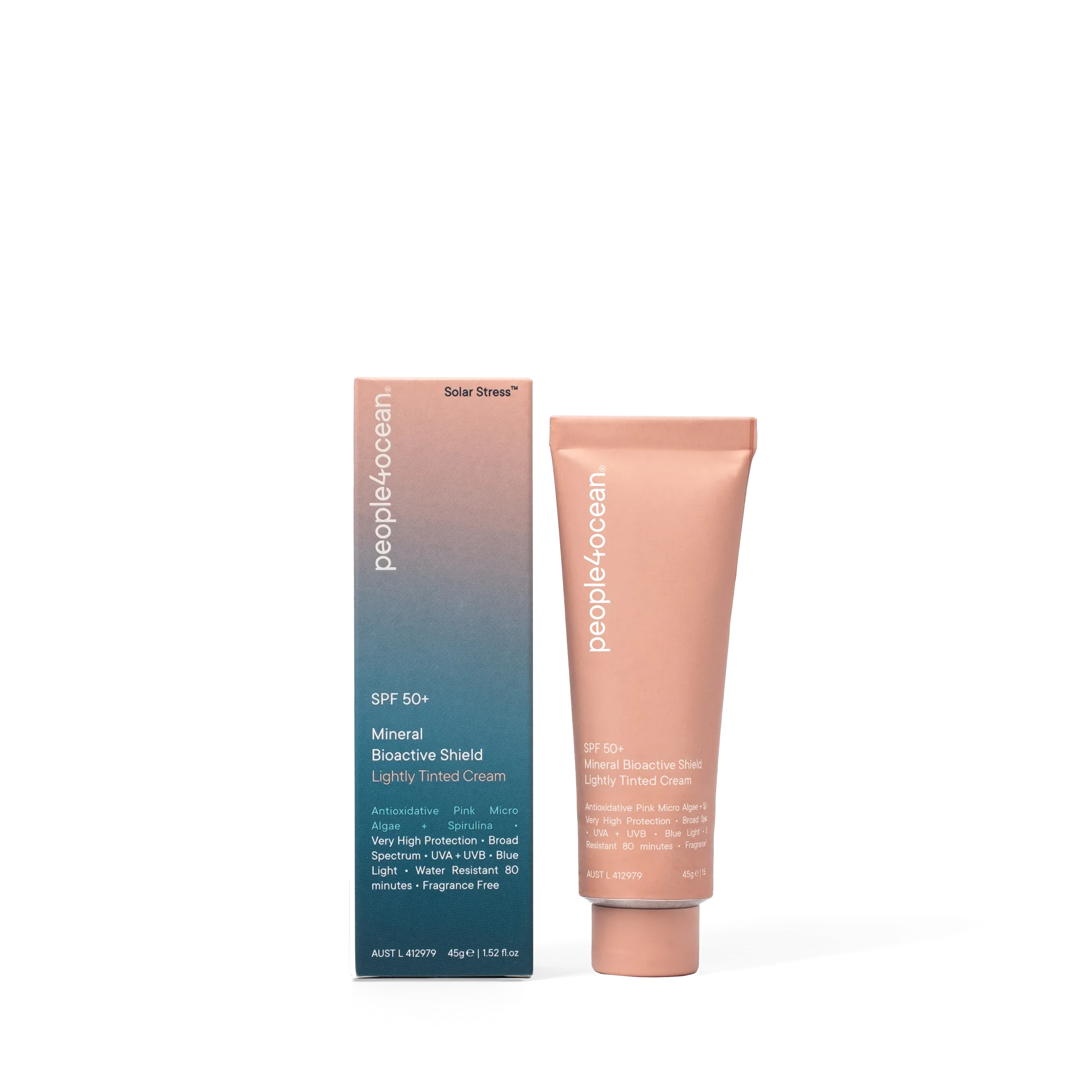
Spending time outdoors can leave your skin feeling dry, warm, tight, or uncomfortable. Sunlight, heat, wind, and environmental conditions can all contribute to these changes, making it important to understand how to care for your skin before and after exposure. Solar Stress Skin Care focuses on practical ways to support skin comfort, maintain moisture, and reduce the effects of excessive sun exposure through thoughtful skincare habits.
Whether you enjoy outdoor activities, travel frequently, or spend long hours in the sun, an appropriate routine can make skin care easier to manage. By combining preventive sun protection with gentle cleansing and moisturizing, you can make informed decisions about the products that fit your everyday needs.
What Is Solar Stress Skin Care?
Solar stress refers to the effects that sunlight and associated environmental conditions can have on the skin. Ultraviolet (UV) radiation can contribute to sunburn, premature skin aging, and cellular damage, while heat, wind, and dry conditions may also leave the skin feeling uncomfortable.
Solar Stress Skin Care involves choosing products and habits that help protect the skin from further exposure while supporting hydration and comfort afterward. It is not a medical treatment that reverses UV damage, but it can form part of a sensible skincare routine.
Understanding the difference between prevention and recovery is essential. Sunscreen helps reduce UV exposure when applied correctly, whereas moisturizers and soothing skincare products can help address dryness and discomfort after spending time outdoors.
Common Signs of Sun-Related Skin Stress
Skin can respond differently to sunlight depending on individual sensitivity, exposure duration, and environmental conditions. Some people notice dryness or tightness after a day outdoors, while others may develop redness, tenderness, or visible sunburn.
Recognizing these changes can help you adjust your skincare routine before irritation becomes more uncomfortable. However, severe or persistent symptoms should not be managed through cosmetic products alone.
Skin Concerns to Watch For
Different environmental factors can affect the skin in different ways, so it helps to identify what you are experiencing before selecting a product.
- Dryness and tightness: Sun exposure, wind, and dry conditions may leave the skin feeling less comfortable.
- Redness and tenderness: These can indicate irritation or sunburn following excessive UV exposure.
- Rough or flaky skin: The outer skin layer may become dry or begin peeling after sunburn.
- Increased sensitivity: Skin may react more strongly to fragranced products, exfoliants, or other potentially irritating ingredients.
If your skin is already irritated, avoid experimenting with several new products at once. A gentle, uncomplicated routine is often a more sensible starting point.
Building a Preventive Solar Stress Skin Care Routine
Prevention should be the foundation of effective sun care. Choose a broad-spectrum sunscreen with SPF 30 or higher, apply it according to the product instructions, and cover all exposed skin.
For extended outdoor exposure, reapply sunscreen approximately every two hours and after swimming, heavy sweating, or towel drying, following the label. Remember that sunscreen does not eliminate all UV exposure, so combine it with shade, protective clothing, and a wide-brimmed hat when practical.
Your routine should also reflect your environment. Someone spending an afternoon gardening may need different practical preparations from someone commuting daily or exercising outdoors, but consistent protection remains important across these activities.
Choosing Products for Solar Stress Skin Care
When shopping for products, focus on their intended purpose, ingredient information, and suitability for your skin. A formula designed to provide moisture may help with dryness, while a sunscreen is specifically intended to reduce UV exposure.
Moisturizing ingredients such as glycerin can help attract water to the outer layers of the skin. Aloe vera is commonly used in soothing skincare products, while emollients help soften the skin and improve its feel. Individual responses vary, so the complete formulation matters more than the presence of one popular ingredient.
What to Consider Before Buying
Reading product labels carefully can help you choose products that align with your routine and personal preferences.
- Ingredient transparency: Look for clear information about ingredients and intended use.
- Skin compatibility: Consider fragrance sensitivity and any previous reactions to skincare products.
- Moisturizing properties: Choose a product that suits your skin's hydration needs.
- Sun protection claims: Check the SPF rating and broad-spectrum labelling of sunscreen products.
- Usage instructions: Follow directions for application, reapplication, and storage.
Avoid assuming that products marketed as natural, soothing, or restorative automatically provide sun protection. A moisturizer or after-sun lotion cannot replace sunscreen.
How to Care for Skin After Sun Exposure
After spending time outdoors, begin with gentle cleansing to remove sweat, dirt, and sunscreen. Use lukewarm water and a mild cleanser when needed, avoiding harsh scrubs that may aggravate sensitive skin.
Apply a suitable moisturizer if your skin feels dry or tight. Products formulated for after-sun care may help support hydration and comfort, but they cannot reverse UV-related cellular damage or guarantee that sunburn will heal without complications.
If you develop sunburn, move out of direct sunlight and use cool compresses to help relieve discomfort. Avoid popping blisters or applying irritating products to affected areas, and seek medical advice if you experience extensive blistering, severe pain, fever, dizziness, or other concerning symptoms.
Lifestyle Habits That Support Skin Comfort
Skincare products work best when supported by everyday habits that reduce unnecessary environmental exposure. Staying hydrated, taking breaks in shaded areas, and wearing suitable clothing can make outdoor activities more manageable.
It is also helpful to review your routine according to changing conditions. Hot weather, extended travel, outdoor exercise, and seasonal changes may influence how your skin feels, so adjust your moisturizing and protection habits when necessary.
People with persistent irritation, recurring sunburn, or unusual changes in their skin should consult a qualified healthcare professional. Professional advice is especially valuable when a skin concern does not improve with gentle care.
Exploring Solar Stress Skin Care From People4Ocean
People4Ocean is a brand shoppers can explore when researching sun care and skincare options. When considering its products, review individual descriptions, ingredient lists, intended uses, and application instructions to determine whether an option matches your needs.
Rather than choosing solely because of a marketing claim, consider what your skin requires and whether the product is designed to provide that benefit. Clear product information can make comparisons easier and help you select suitable products with realistic expectations.
Make Solar Stress Skin Care Part of Your Routine
Effective Solar Stress Skin Care begins with prevention and continues with gentle care after outdoor exposure. Broad-spectrum sunscreen, protective clothing, shade, and consistent reapplication help reduce UV exposure, while suitable moisturizers can support skin comfort when dryness develops.
You do not need an elaborate collection of products to get started. Focus on consistent sun protection, a gentle cleansing routine, and moisturization that suits your skin. By understanding product labels and responding appropriately to changes in your skin, you can build a practical routine that supports healthier skincare habits over time.