In industries where water, oil, gas, and other fluids move through complex networks, the efficiency and safety of pipeline systems depend heavily on the type of valves used. Among these, the sluice valve stands out as a critical component for controlling flow and ensuring reliable operations. Known for its robust design and dependable shut-off capabilities, it is widely used in municipal water supply, wastewater treatment, and industrial applications. Understanding how a sluice valve functions and the role it plays in optimizing pipeline performance is essential for businesses seeking to enhance safety and minimize operational risks.
What is a Sluice Valve?
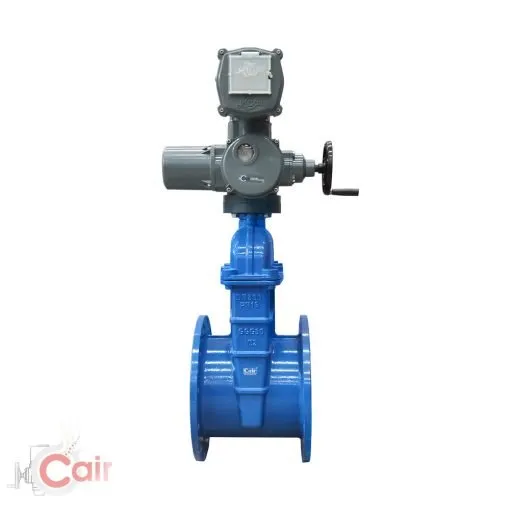
A sluice valve, often referred to as a gate valve, is designed to regulate the flow of liquid by raising or lowering a gate inside the valve body. Unlike other valves that throttle flow, this valve is primarily used for complete shut-off or full-flow operations. Its straightforward design ensures minimal pressure loss and reliable sealing, making it an indispensable choice for pipelines that demand consistent and efficient fluid control.
Key Benefits of Using Sluice Valves in Pipelines
Sluice valves bring several advantages that improve both performance and safety in industrial and municipal systems:
- Reliable Shut-Off: Provides secure isolation of fluids, reducing the risk of leakage or accidental spillage.
- Durability: Constructed from robust materials that can withstand harsh conditions, including high pressure and corrosive environments.
- Low Maintenance: The simple design reduces wear and tear, resulting in longer service life and minimal upkeep.
- Versatility: Suitable for a wide range of applications, including water treatment plants, oil refineries, and fire protection systems.
Sluice Valves and Pipeline Safety
Safety is a top priority in industries where pipeline failures can result in costly downtime or environmental hazards. By ensuring a tight seal and dependable operation, sluice valves help prevent backflow, contamination, and pressure surges. Their ability to provide quick isolation during emergencies plays a vital role in safeguarding infrastructure, protecting personnel, and maintaining regulatory compliance.
Enhancing Performance with Sluice Valves
Performance in pipeline systems is often measured by efficiency, flow capacity, and reliability. A properly installed sluice valve improves system performance by:
- Allowing unobstructed flow when fully open, minimizing pressure drop.
- Reducing turbulence within the pipeline, which extends the lifespan of connected equipment.
- Supporting large-diameter pipelines that carry high volumes of fluid.
When integrated into critical systems, sluice valves not only enhance operational efficiency but also reduce long-term costs associated with maintenance and energy consumption.
Industry Applications of Sluice Valves
Sluice valves serve a wide range of industries, including:
- Municipal Water Supply: Controlling and isolating water flow in treatment plants and distribution networks.
- Wastewater Management: Handling large volumes of sewage and preventing contamination.
- Oil and Gas: Ensuring safe flow management in refineries and petrochemical facilities.
- Fire Protection Systems: Offering reliable control in emergency response infrastructure.
Leading solution providers such as Cair Euro deliver high-quality sluice valves engineered to meet diverse industry demands, helping businesses achieve both safety and efficiency in pipeline operations.
Conclusion
In modern pipeline systems, the sluice valve plays a crucial role in improving both safety and performance. From municipal water supply to industrial applications, it ensures reliable shut-off, minimizes risks, and enhances operational efficiency. With its durability and adaptability, the valve continues to be a preferred choice for industries seeking long-term reliability. For businesses looking to strengthen their pipeline infrastructure, investing in quality sluice valves is a practical step toward safer, more efficient operations.